

Smart Locks for Shared Living Spaces
Shared living arrangements are becoming increasingly popular among students, young professionals, and families in urban areas. Apartments, hostels, co-living spaces, and shared houses offer affordability and convenience, but they also bring unique security challenges. Traditional keys can be easily lost, duplicated, or shared without permission, making access control difficult to manage.
Smart locks provide a modern solution for shared living spaces by offering keyless entry, customizable access permissions, and enhanced security features. When combined with surveillance systems and smart home technology, they create a safer and more convenient living environment for all residents.
Why Smart Locks Are Ideal for Shared Living
In shared accommodations, multiple people may need access to the same property at different times. Managing physical keys in such situations often leads to confusion and security risks. Smart locks eliminate many of these issues by allowing residents to unlock doors using PIN codes, fingerprints, smartphones, or access cards.
Some key advantages include:
-
Keyless convenience: No need to carry or duplicate physical keys.
-
Custom access control: Different users can have unique access codes or permissions.
-
Remote management: Property owners or roommates can grant or revoke access instantly.
-
Activity logs: Many smart locks record entry history, improving accountability.
-
Enhanced security: Advanced encryption and authentication methods reduce unauthorized access.
These features make smart locks particularly useful for rental properties, hostels, Airbnb accommodations, and shared apartments.
Common Security Challenges in Shared Spaces
Before choosing a smart lock, it’s important to understand the common security concerns in shared living environments.
Lost or Duplicated Keys
Traditional keys can be copied easily, and replacing locks every time a key is lost can be expensive and inconvenient.
Uncontrolled Guest Access
Roommates or tenants may share keys with friends or visitors, making it difficult to track who has access to the property.
Frequent Tenant Changes
In rental properties and hostels, residents change frequently. Updating physical locks for every new tenant is impractical.
Lack of Entry Monitoring
Without a digital access system, it is hard to know when doors were accessed or by whom.
Smart locks address these challenges by providing flexible and trackable access management.
Types of Smart Locks for Shared Living
There are several types of smart locks available, each suited to different needs and budgets.
PIN Code Smart Locks
These locks allow users to enter a numeric code to unlock the door. Temporary or permanent codes can be assigned to different residents.
Fingerprint Smart Locks
Biometric locks use fingerprints for authentication, offering quick and secure access without remembering codes.
Bluetooth Smart Locks
These locks connect to smartphones via Bluetooth, allowing users to unlock doors through a mobile app.
Wi-Fi Smart Locks
Wi-Fi-enabled locks offer remote access and management from anywhere, making them ideal for landlords and property managers.
RFID or Card-Based Locks
These systems use access cards or key fobs, commonly seen in hostels and apartment complexes.
When evaluating options, many buyers compare the smart door lock price in pakistan to find a solution that balances features, durability, and budget.
Key Features to Look For
Choosing the right smart lock for a shared living space requires careful consideration of features that improve both security and convenience.
Multiple User Access
The lock should support multiple user profiles or access codes so each resident can have personalized access.
Temporary Access Codes
This feature is useful for guests, cleaners, or maintenance staff, as codes can expire automatically after a set time.
Remote Access Management
Property owners and roommates can manage permissions through a mobile app, eliminating the need for physical key exchanges.
Auto-Lock Function
Automatic locking ensures the door secures itself after closing, reducing the risk of accidental unlocked doors.
Tamper Alerts
Advanced smart locks can send notifications if someone attempts to tamper with the lock or enter an incorrect code multiple times.
Battery Backup
Since smart locks rely on batteries, a backup power option or low-battery alert is essential to avoid lockouts.
Integrating Smart Locks with Security Systems
Smart locks become even more effective when integrated with CCTV cameras and home security systems. Residents can verify visitors before granting access and monitor entry points remotely.
For example, pairing a smart lock with wireless security cameras allows users to receive live video feeds and notifications whenever someone approaches the door. This combination enhances both convenience and safety in shared living environments.
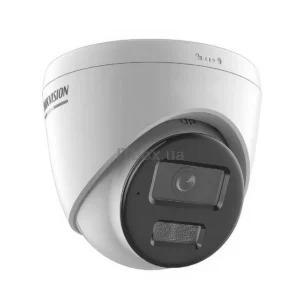
Property owners often compare the security camera price in pakistan when planning a complete smart security setup for apartments or co-living spaces.
Benefits for Different Shared Living Arrangements
Student Hostels
Smart locks reduce the hassle of managing keys for hundreds of students. Administrators can assign and revoke access digitally, improving operational efficiency.
Shared Apartments
Roommates can avoid disputes over lost keys and maintain better control over who enters the apartment.
Airbnb and Short-Term Rentals
Hosts can provide temporary access codes to guests and change them automatically after checkout, eliminating the need for physical key handovers.
Family Homes with Extended Members
Large families living together can assign individual access methods to each member while keeping the home secure.
Installation and Maintenance Tips
Proper installation and maintenance are essential for reliable smart lock performance.
Professional Installation
While some smart locks are DIY-friendly, professional installation ensures proper alignment, secure mounting, and correct integration with existing doors.
Regular Battery Checks
Replace batteries before they are fully depleted. Most smart locks provide low-battery warnings through the app or lock interface.
Update Firmware
Manufacturers regularly release firmware updates to improve security and functionality. Keep the lock’s software up to date.
Test Access Methods
Periodically test PIN codes, fingerprints, and app access to ensure all methods are functioning correctly.
Keep Backup Access
Maintain a backup key or emergency access method in case of battery failure or technical issues.
Balancing Privacy and Security
In shared living spaces, privacy is just as important as security. Smart locks help strike this balance by allowing individual access control without exposing personal keys or codes to everyone in the household.
However, residents should agree on clear rules regarding guest access, code sharing, and monitoring systems. Transparency and mutual respect are essential for maintaining trust in shared accommodations.
Cost Considerations
The cost of a smart lock varies depending on features such as biometric access, Wi-Fi connectivity, and app integration. While basic models are affordable, premium options offer advanced security and remote management capabilities.
When budgeting for a complete security setup, property owners may also consider related equipment such as DVR systems and cameras. Comparing the 4 channel dvr price in pakistan can help in planning an integrated surveillance solution for smaller shared properties.
Although smart locks require an upfront investment, they can reduce long-term costs associated with lost keys, lock replacements, and security incidents.
Future Trends in Smart Lock Technology
Smart lock technology continues to evolve rapidly. Future developments are expected to include:
-
AI-powered access management
-
Voice assistant integration
-
Facial recognition entry systems
-
Improved biometric accuracy
-
Cloud-based property management integration
-
Enhanced cybersecurity protections
These innovations will make smart locks even more convenient and secure for shared living environments.
Conclusion
Smart locks are an excellent security solution for shared living spaces, offering convenience, flexibility, and enhanced access control. They eliminate the common problems associated with physical keys and provide residents and property owners with greater control over who enters the property.
By choosing the right smart lock, integrating it with surveillance systems, and following proper installation and maintenance practices, shared accommodations can achieve a higher level of safety and convenience. Whether for student housing, co-living spaces, rental properties, or shared apartments, smart locks are becoming an essential part of modern residential security.


