

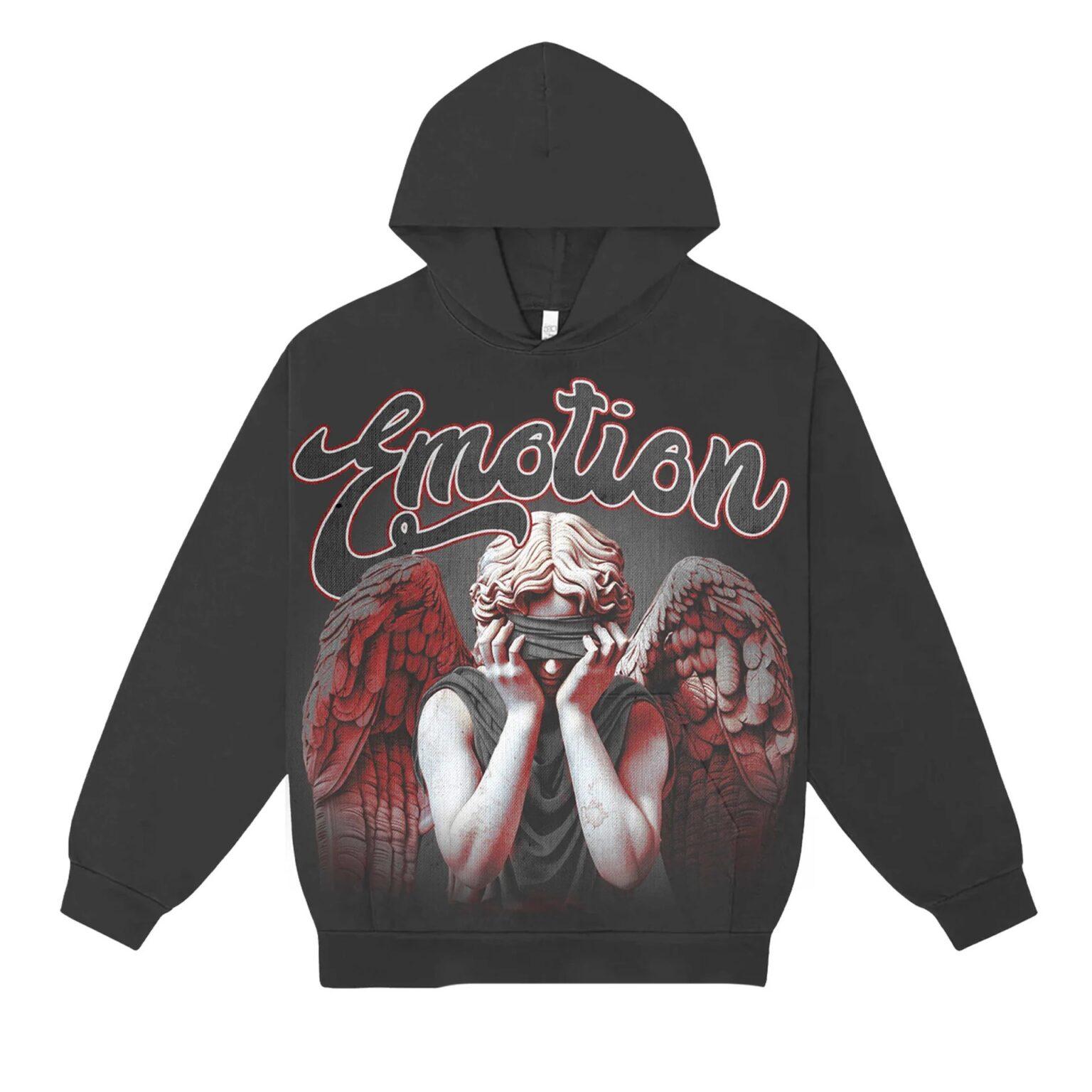
The Influence of Social Media on Emotion-Inspired Fashion
Social media has transformed the fashion industry by giving brands and consumers a platform to connect like never before. Instead of relying solely on fashion magazines or runway shows, people now discover the latest trends through Instagram, TikTok, Pinterest, and YouTube. This shift has also fueled the popularity of mixed emotion fashion, where clothing represents feelings, individuality, and personal stories rather than simply following seasonal trends. Consumers are increasingly drawn to apparel that communicates authenticity, and social media has become the perfect space for showcasing these meaningful designs. Every post, reel, and outfit photo allows people to express their personalities while inspiring others to embrace fashion as a form of emotional storytelling.
One of the biggest reasons emotion-inspired fashion has gained momentum is the ability of social platforms to create genuine connections between brands and their audiences. Through behind-the-scenes content, designer interviews, customer testimonials, and interactive campaigns, brands can communicate the purpose behind every collection. This transparency has helped emotion clothing become more than just a style choice. It has evolved into a movement that encourages creativity, confidence, and self-expression. Instead of simply promoting products, brands share messages about individuality, mental well-being, resilience, and personal growth, making customers feel emotionally connected to every release.
Comfort has become equally important in modern streetwear, and social media has played a significant role in highlighting versatile wardrobe essentials. Fashion creators frequently post styling videos that demonstrate how mixed emotions sweatpants can be paired with hoodies, oversized T-shirts, sneakers, or jackets to create effortless everyday outfits. These styling ideas inspire audiences to experiment with their wardrobes while appreciating garments that combine premium comfort with meaningful design. As influencers continue to share authentic fashion content, comfortable streetwear remains at the center of emotion-inspired fashion trends.
Social Media Has Changed How Fashion Trends Begin
Before social media, fashion trends often started with luxury designers and slowly reached mainstream consumers through magazines or retail stores. Today, trends can emerge overnight from a single viral video or photo.
A creator wearing a unique graphic hoodie or artistic streetwear piece can inspire thousands of people within hours. This immediate exposure allows smaller brands with strong creative identities to compete alongside established fashion labels. Instead of depending on expensive advertising campaigns, brands can gain recognition through engaging content and genuine customer enthusiasm.
Influencers Shape Consumer Preferences
Influencers have become powerful voices in today's fashion landscape. Unlike traditional celebrities, many influencers build close relationships with their audiences by sharing their daily lives, personal style, and honest opinions.
When creators wear emotion-inspired apparel, they often explain why a design resonates with them personally. This storytelling approach feels authentic and relatable, encouraging followers to explore brands that reflect similar values. Rather than focusing only on appearance, influencers highlight the meaning behind clothing, making emotional fashion even more appealing.
Visual Storytelling Creates Emotional Connections
Platforms like Instagram and Pinterest are designed around visual content, making them ideal for emotion-inspired fashion. High-quality photography, artistic graphics, and carefully styled outfits communicate feelings without requiring lengthy explanations.
Brands often use color, typography, illustrations, and symbolic imagery to reinforce their message. These visual elements help audiences understand the inspiration behind each collection while creating memorable brand identities that stand out in crowded social feeds.
User-Generated Content Builds Trust
One of the greatest advantages of social media is the ability for customers to become brand ambassadors. People enjoy sharing outfit photos, styling videos, and unboxing experiences featuring their favorite streetwear pieces.
This user-generated content provides authentic social proof that traditional advertising cannot replicate. Seeing real people confidently wearing emotion-inspired fashion helps potential customers imagine how the clothing might fit into their own lifestyles.
As more customers participate in these conversations, brands develop stronger communities built on shared creativity and mutual appreciation.
Hashtags Increase Visibility
Fashion hashtags help brands reach audiences beyond their existing followers. Whether someone searches for streetwear inspiration, graphic apparel, oversized fashion, or artistic clothing, hashtags make discovering new brands much easier.
Emotion-inspired brands often use carefully selected hashtags that align with themes such as creativity, individuality, confidence, and self-expression. This strategy attracts users who already value meaningful fashion, increasing engagement and community growth.
Short-Form Videos Inspire Creativity
TikTok, Instagram Reels, and YouTube Shorts have revolutionized fashion marketing by making short-form video content incredibly popular.
Brands and creators produce styling tutorials, behind-the-scenes production clips, outfit transitions, and design explanations that capture attention within seconds. These videos demonstrate not only how garments look but also how they move, fit, and complement different personal styles.
The interactive nature of video content encourages viewers to comment, share, and recreate styling ideas, further expanding a brand's reach.
Authenticity Matters More Than Perfection
Modern consumers value authenticity over polished advertising. Social media allows brands to show the real people behind their collections, including designers, artists, photographers, and production teams.
Sharing the creative process builds trust and demonstrates the passion invested in every collection. Customers appreciate seeing sketches, fabric selection, printing techniques, and packaging because these details make the final product feel more meaningful.
Authentic storytelling strengthens emotional connections and encourages long-term customer loyalty.
Online Communities Encourage Self-Expression
Social media has created digital communities where people feel comfortable expressing themselves through fashion.
Followers exchange styling advice, discuss upcoming collections, celebrate limited releases, and support one another's creativity. These communities often extend beyond clothing, encouraging conversations about confidence, art, culture, and individuality.
As members engage with one another regularly, the brand becomes more than a retailer—it becomes a shared creative space.
Global Reach Expands Opportunities
One of social media's greatest strengths is its ability to connect people across different countries and cultures.
A small independent streetwear brand can reach international audiences without opening physical stores worldwide. This global exposure allows emotion-inspired fashion to resonate with diverse communities while introducing fresh perspectives and creative influences.
Consumers also benefit by discovering unique brands they might never have encountered through traditional retail channels.
The Future of Emotion-Inspired Fashion Online
As technology continues to evolve, social media will remain one of the most influential forces shaping fashion trends. Artificial intelligence, augmented reality, live shopping events, and immersive digital experiences will create new opportunities for brands to engage with audiences.
However, despite these technological advancements, the foundation of emotion-inspired fashion will remain unchanged: authenticity, creativity, storytelling, and human connection. Consumers will continue supporting brands that encourage self-expression while creating meaningful communities around shared values.
Conclusion
Social media has fundamentally changed how emotion-inspired fashion is discovered, shared, and appreciated. Through visual storytelling, influencer collaborations, user-generated content, and online communities, brands can build lasting relationships with audiences who value authenticity over fast-changing trends. Rather than simply showcasing clothing, social platforms allow fashion to become a powerful form of communication and personal identity.
As emotion-inspired streetwear continues to grow, social media will remain its most valuable platform for connecting creative individuals around the world. By combining meaningful design with engaging digital experiences, brands can inspire confidence, celebrate individuality, and build communities that extend far beyond fashion itself.


