
How to Style Who Decides War Clothing: A Jeans and Shorts Guide
Introduction
The first time I saw a pair of who decides war jeans up close, I almost missed the price tag because I was too busy studying the stitching. Every patch, every frayed edge, every hand-placed appliqué looked intentional in a way that mass-produced denim just doesn't. If you're trying to figure out how these pieces actually work in a real wardrobe — not just on a runway or a hype-beast Instagram post — this guide walks through the practical side: fit, pairing, care, and the mistakes that make expensive denim look cheap instead of curated.
What Is Who Decides War, and Why Does It Matter
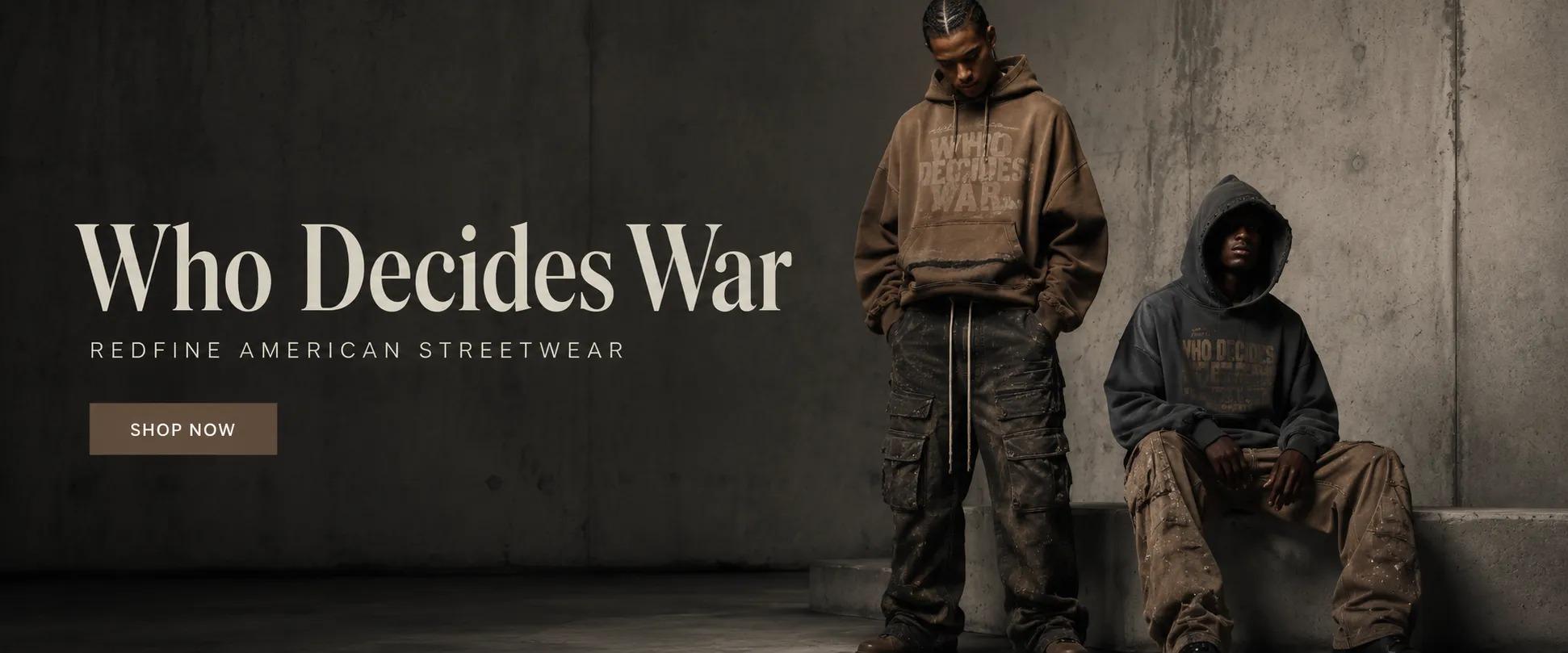
Who Decides War, often shortened to WDW or whodecideswar by fans searching for it online, was built by New York designers Everard Best (known as Ev Bravado) and Téla D'Amore. The brand grew out of an earlier label and has since become one of the more recognizable names in artistic streetwear, known for deconstructed silhouettes, hand-distressing, and denim treated almost like a canvas. Rather than chasing clean minimalism, the brand leans into visible construction — raw hems, exposed seams, and patchwork that looks deliberately unfinished. That aesthetic is exactly why styling these pieces takes a slightly different approach than styling a standard pair of jeans.
How Who Decides War Jeans and Shorts Are Actually Constructed
Distressing and Hand-Finishing
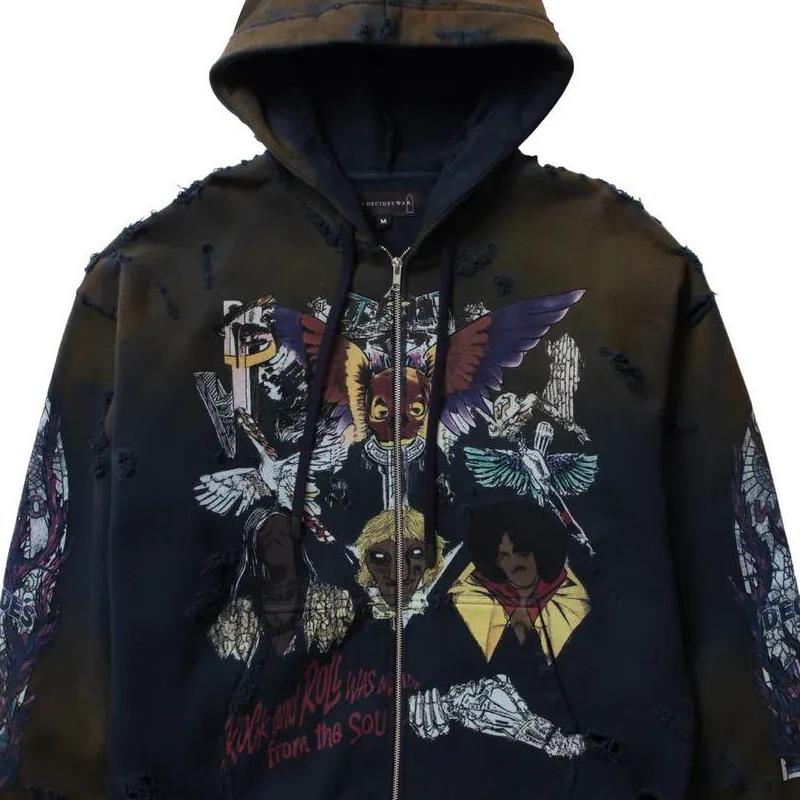
Unlike factory-distressed denim that gets sandblasted in bulk, WDW pieces typically involve manual techniques — hand-fraying, appliqué patches, and dyeing methods that produce a washed, almost weathered look. This is part of why who decides war jeans rarely look identical piece to piece. Small variations are the point, not a flaw.
Fit and Silhouette
Most who decides war jeans run relaxed through the hip and thigh, tapering slightly or staying loose depending on the specific style. This isn't skinny-fit denim. The shorts follow a similar logic — roomier through the leg, often finished with raw or frayed hems rather than a clean cuff, which keeps the silhouette consistent with the jeans in the same collection.
Signature Details
Appliqué graphics, embroidered text, and mismatched patch placement show up frequently across both categories. These details are what separate the shorts from a basic denim short — they're built to be a focal point, not a background piece.
Styling These Pieces for Real, Everyday Situations
The easiest mistake is treating a heavily distressed, patch-covered piece like a plain basic. It isn't one. Balance is the actual skill here.
With jeans: Pair who decides war jeans with a simple, solid-colored top — a plain tee, a fitted long-sleeve, or a minimal jacket. The jeans are already doing the visual work, so a busy top competes rather than complements. Boots or clean sneakers tend to ground the look without pulling focus away from the denim detailing.
Fit for shorts: Who decides war shorts work well in warmer months paired with a structured jacket or an oversized hoodie left unzipped, which balances the roomier leg with something more fitted up top. A single accessory — a chain, a cap, or one statement bag — usually reads better than layering multiple bold pieces at once.
For first-time buyers: Start with one statement piece rather than head-to-toe WDW. Letting one pair of jeans or shorts anchor an otherwise simple outfit is the most reliable way to wear the brand without it feeling like a costume.
Common Mistakes to Avoid
Overwashing them like regular denim. Hand-distressed and appliquéd pieces need cold water, inside-out washing, and air drying. Machine drying on heat can loosen patches and fray edges beyond the intended design.
Pairing them with equally busy pieces. Two loud, graphic-heavy items competing in one outfit usually looks cluttered rather than intentional.
Assuming sizing matches standard denim brands. Because the fit runs relaxed and construction varies by style, checking the specific size chart for each drop matters more than guessing based on your usual denim size elsewhere.
Ignoring the resale and authentication risk. Because these pieces carry real resale value, buying from unverified sellers offering suspiciously low prices is a common way people end up with counterfeit denim instead of the real thing.
Jeans vs. Shorts: Which Fits Your Wardrobe Better
If you're deciding between the two, think about rotation first. These jeans offer more year-round versatility since they work across seasons with the right layering. Who decides war shorts are more seasonal but tend to show off the patchwork and distressing more visibly, since there's less fabric competing for attention. Neither is objectively better — jeans suit someone building a foundational piece, while shorts suit someone who already has core basics and wants a warm-weather statement item.
Conclusion
Styling who decides war jeans and shorts really comes down to one principle: let the piece lead, and keep everything else intentionally simple. The distressing, appliqué, and hand-finishing already carry visual weight, so pairing them with quieter basics and thoughtful accessories tends to work better than layering multiple statement pieces at once. Whether you're building around a single pair of jeans or adding shorts for warmer weather, understanding the construction and sizing quirks first will save you from common fit and care mistakes. From here, exploring how the brand's jackets and graphic tees fit into the same wardrobe is a natural next step.
Key Takeaways
-
Balance bold denim with simple, solid tops
-
Check size charts per style, not brand default
-
Hand-wash cold, always air dry pieces
-
Jeans offer more year-round versatility overall
-
Shorts show off distressing and patchwork more
-
Buy from authorized sellers to avoid counterfeits


