


Why Are Mass Flow Meters Preferred in Modern Industrial Automation?
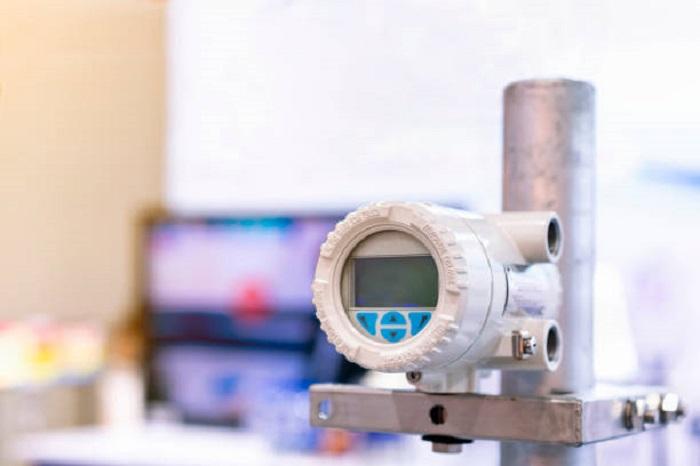
In today’s industrial landscape, precision, efficiency, and reliability are no longer optional—they are essential. As manufacturing systems become more automated and data-driven, the need for accurate flow measurement has grown significantly. Among the various technologies available, mass flow meters have emerged as a preferred solution in modern industrial automation. Their ability to directly measure mass flow, rather than relying on inferred values, makes them uniquely suited to complex, high-performance industrial environments.
This article explores why mass flow meters have become integral to automated systems, examining their operating principles, advantages over traditional flow meters, and their role in improving control, efficiency, and product quality across industries.
Understanding the Role of Flow Measurement in Automation
Flow Measurement as a Control Variable
In automated industrial processes, flow is a critical control parameter. Whether the process involves liquids, gases, or steam, maintaining precise flow rates is essential for consistent output and system stability. Automated control systems depend on accurate flow data to regulate valves, pumps, and actuators in real time.
Errors in flow measurement can lead to product inconsistency, energy inefficiency, safety risks, and increased operational costs. As automation systems demand tighter tolerances, the limitations of traditional volumetric flow meters become more apparent.
The Shift Toward Data-Driven Manufacturing
Modern automation relies heavily on digital feedback and advanced analytics. Flow measurement is no longer just about monitoring; it is about integration with control algorithms, predictive maintenance systems, and enterprise-level data platforms. Mass flow meters provide highly reliable and repeatable data that supports these advanced applications.
What Makes Mass Flow Measurement Different
Direct Measurement of Mass Flow
Unlike volumetric flow meters, which measure the volume of fluid passing through a system, mass flow meters measure the actual mass of the fluid. This distinction is crucial because mass flow remains constant regardless of changes in temperature, pressure, or density.
In many industrial processes, especially those involving chemical reactions or combustion, mass is the fundamental variable. By measuring mass directly, mass flow meters eliminate the need for complex compensation calculations, reducing sources of error and simplifying control logic.
Independence from Fluid Properties
Volumetric flow measurements are highly sensitive to changes in fluid properties. Variations in temperature or pressure can significantly alter density, leading to inaccurate readings unless additional sensors and corrections are applied. Mass flow meters inherently account for these variations, providing accurate measurements even under fluctuating process conditions.
This reliability is a major reason why mass flow meters are favored in automated environments where conditions change dynamically.
Advantages of Mass Flow Meters in Industrial Automation
High Accuracy and Repeatability
One of the primary reasons mass flow meters are preferred is their exceptional accuracy. Technologies such as Coriolis and thermal mass flow measurement deliver precise results across a wide operating range. This accuracy is critical for automation systems that rely on tight feedback loops to maintain process stability.
Repeatability is equally important. Automated processes depend on consistent measurements over time. Mass flow meters provide stable, repeatable readings that allow control systems to function predictably and efficiently.
Reduced Need for Calibration Adjustments
In traditional flow measurement systems, frequent recalibration may be required to account for changes in fluid properties or operating conditions. Mass flow meters reduce this burden because their measurements are inherently compensated for many of these variables.
This reduces downtime, maintenance costs, and the risk of human error, making them ideal for continuous, automated operations.
Integration with Modern Control Systems
Compatibility with Digital Communication Protocols
Modern mass flow meters are designed to integrate seamlessly with industrial automation platforms. They support digital communication protocols such as HART, Modbus, Profibus, and Ethernet-based systems. This allows real-time data exchange with programmable logic controllers and distributed control systems.
This level of integration enables advanced control strategies, remote monitoring, and diagnostics, all of which are essential in modern automated plants.
Real-Time Feedback for Process Optimization
Mass flow meters provide fast response times, delivering real-time flow data to control systems. This allows immediate corrective actions when deviations occur. In automated environments, even small delays can lead to inefficiencies or product defects.
By delivering reliable real-time feedback, mass flow meters enhance process responsiveness and stability.
Performance in Challenging Applications
Handling Complex Fluids and Gases
Many industrial processes involve fluids with varying compositions, such as multi-component gases or slurries. Volumetric meters often struggle in these conditions due to changes in density or viscosity. Mass flow meters, particularly Coriolis types, can handle such complexities with minimal loss of accuracy.
This capability is especially valuable in chemical processing, pharmaceuticals, and food production, where product consistency is critical.
Wide Operating Range
Mass flow meters maintain accuracy across a broad range of flow rates. This turndown capability allows a single instrument to cover multiple operating conditions without sacrificing performance. In automated systems that operate under varying loads, this flexibility simplifies system design and reduces equipment redundancy.
Improving Efficiency and Reducing Costs
Energy Efficiency and Resource Optimization
Accurate mass flow measurement helps optimize energy usage by ensuring that processes operate at their intended setpoints. Overfeeding or underfeeding materials can lead to wasted energy, increased emissions, or reduced product quality.
Mass flow meters support precise control, enabling manufacturers to minimize waste and improve overall efficiency. Over time, these gains translate into significant cost savings.
Reduced Maintenance and Downtime
The robust design of many mass flow meters contributes to their reliability. With fewer moving parts compared to mechanical flow meters, they are less prone to wear and mechanical failure. This reliability is particularly important in automated systems that operate continuously.
Reduced maintenance requirements mean fewer interruptions, higher uptime, and lower total cost of ownership.
Quality Control and Regulatory Compliance
Consistency in Product Quality
In industries such as pharmaceuticals, food and beverage, and specialty chemicals, product quality depends heavily on accurate dosing and mixing. Mass flow meters provide the precision needed to maintain strict quality standards.
By ensuring that the correct amount of material is delivered consistently, mass flow meters help manufacturers meet customer expectations and reduce the risk of rejected batches.
Supporting Traceability and Compliance
Many industries are subject to strict regulatory requirements that demand accurate measurement and documentation. Mass flow meters generate reliable data that can be logged and audited, supporting compliance with industry standards and regulations.
Automated data collection also simplifies reporting and reduces the administrative burden associated with compliance.
Future-Proofing Industrial Automation
Adaptability to Industry 4.0
As industrial automation evolves toward Industry 4.0, the role of intelligent sensors becomes increasingly important. Mass flow meters are well suited to this future, offering advanced diagnostics, self-monitoring capabilities, and connectivity to cloud-based systems.
These features enable predictive maintenance and data-driven decision-making, further enhancing operational efficiency.
Scalability and Long-Term Value
Investing in mass flow meters provides long-term value due to their adaptability and performance. As processes evolve or expand, these meters can often accommodate new requirements without major modifications.
This scalability makes them a strategic choice for industries planning for growth and technological advancement.
Conclusion
The preference for mass flow meters in modern industrial automation is driven by their accuracy, reliability, and compatibility with advanced control systems. By measuring mass directly, they eliminate many of the uncertainties associated with volumetric flow measurement, providing consistent data under varying conditions. Their integration capabilities, low maintenance requirements, and support for efficiency and quality control make them indispensable in today’s automated industrial environments.
As industries continue to embrace automation and data-driven operations, mass flow meters will remain a cornerstone technology, enabling precise control, improved efficiency, and sustainable manufacturing practices.

 Arabic
 French
 Spanish
 Portuguese
 Deutsch
 Turkish
 Dutch
Dutch
 Italiano
 Russian
 Romaian
 Portuguese (Brazil)
 Greek
Greek