


Are Ultrasonic Flow Meters Cost-Effective in the Long Term?
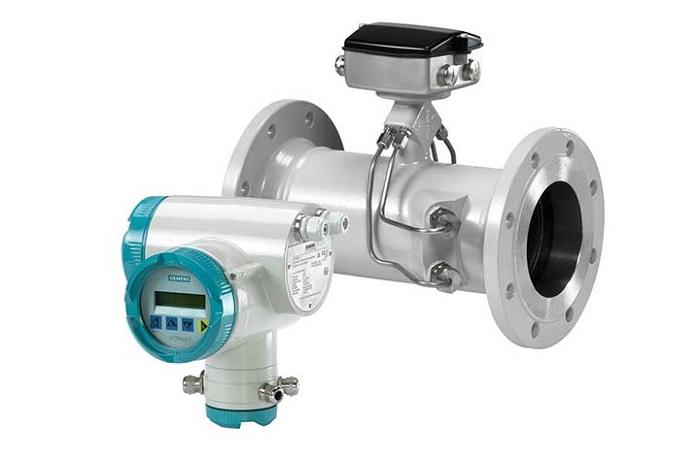
In industrial measurement and control, cost-effectiveness is rarely defined by purchase price alone. Engineers, plant managers, and decision-makers increasingly evaluate instruments based on total lifecycle cost, reliability, maintenance demands, and operational efficiency. Within this framework, ultrasonic flow meters have gained significant attention across industries such as water and wastewater, oil and gas, power generation, HVAC, and chemical processing. While their upfront cost can appear higher than some traditional flow meter technologies, the long-term economic picture often tells a very different story.
This article examines whether ultrasonic flow meters are truly cost-effective over time by analyzing their operating principles, installation requirements, maintenance costs, accuracy stability, and overall return on investment.
Understanding Ultrasonic Flow Meter Technology
How Ultrasonic Flow Measurement Works
Ultrasonic flow meters measure flow using high-frequency sound waves transmitted through a fluid. By analyzing how these sound waves travel between sensors, the meter calculates flow rate without inserting any mechanical components into the process stream.
Two primary methods are commonly used. Transit-time ultrasonic flow meters measure the difference in travel time between upstream and downstream sound pulses. Doppler ultrasonic flow meters analyze frequency shifts caused by particles or bubbles within the fluid. Both approaches allow for non-intrusive measurement.
This non-contact principle is central to understanding the long-term cost-effectiveness of ultrasonic flow meters.
The Absence of Moving Parts
Unlike mechanical flow meters, ultrasonic meters have no rotating components, bearings, or impellers. This design feature dramatically reduces wear and tear over time. Fewer mechanical stresses translate directly into lower maintenance requirements and longer service life.
The durability inherent in ultrasonic technology plays a major role in its long-term economic value.
Initial Cost Versus Lifecycle Cost
Upfront Investment Considerations
It is true that ultrasonic flow meters often have a higher initial purchase cost compared to traditional mechanical or differential pressure meters. Advanced electronics, precision sensors, and signal processing capabilities contribute to this upfront expense.
However, focusing solely on acquisition cost can be misleading. Industrial equipment should be evaluated based on total cost of ownership, which includes installation, maintenance, downtime, calibration, and replacement costs over the life of the instrument.
Installation Savings Over Time
Many ultrasonic flow meters, especially clamp-on designs, require minimal installation effort. Because they can be mounted externally on existing pipes, there is often no need to cut piping, shut down processes, or install bypass lines.
This can result in significant savings during installation, particularly in retrofit projects or facilities where downtime is costly. In many cases, these installation savings offset a substantial portion of the initial purchase price.
Maintenance and Operational Costs
Minimal Maintenance Requirements
One of the strongest arguments for the long-term cost-effectiveness of ultrasonic flow meters is their minimal maintenance profile. With no moving parts exposed to the fluid, there is little mechanical degradation over time.
Mechanical meters often require periodic cleaning, bearing replacement, or recalibration due to wear. Ultrasonic meters, by contrast, can operate reliably for many years with minimal intervention, reducing labor costs and spare parts inventory.
Reduced Risk of Process Interruption
Maintenance activities often require system shutdowns, which can be extremely expensive in continuous industrial operations. The low maintenance demands of ultrasonic flow meters significantly reduce the frequency of planned and unplanned outages.
By minimizing process interruptions, ultrasonic meters help maintain production continuity, which has a direct positive impact on long-term profitability.
Accuracy Stability and Measurement Reliability
Long-Term Measurement Consistency
Accuracy drift is a hidden cost in many flow measurement technologies. As mechanical components wear or deposits build up, measurement accuracy can degrade, requiring recalibration or replacement.
Ultrasonic flow meters maintain consistent accuracy over long periods because their measurement principle does not depend on physical contact with the fluid. This stability reduces the need for frequent recalibration and ensures reliable data for process control and billing applications.
Performance Across Variable Conditions
Ultrasonic meters perform well across a wide range of pipe sizes, flow rates, and fluid conditions. Their adaptability reduces the need to replace or resize meters when process conditions change.
This flexibility contributes to long-term cost savings by extending the usable lifespan of the instrument across evolving operational requirements.
Energy Efficiency and Process Optimization
No Pressure Loss Contribution
Unlike intrusive flow meters that introduce obstructions into the flow path, ultrasonic flow meters do not create pressure drop. Over time, pressure losses translate into higher energy consumption as pumps must work harder to maintain flow.
By preserving system pressure, ultrasonic meters help reduce energy costs. In energy-intensive industries, this advantage can result in substantial savings over the life of the meter.
Supporting Advanced Control Strategies
Modern ultrasonic flow meters integrate easily with digital control systems, providing real-time data for optimization and automation. Accurate flow measurement supports tighter process control, reduced waste, and improved product quality.
These operational improvements may not appear on an equipment purchase invoice, but they significantly enhance long-term economic performance.
Durability in Harsh and Specialized Environments
Resistance to Corrosion and Fouling
Because ultrasonic flow meters do not rely on wetted moving parts, they are less vulnerable to corrosion, scaling, or fouling. This makes them especially cost-effective in applications involving aggressive chemicals, dirty fluids, or untreated water.
Reduced exposure to harsh process conditions means fewer failures and longer service intervals.
Performance in Large Pipe Applications
For large-diameter pipes, traditional flow meters can become extremely expensive due to size and installation complexity. Ultrasonic flow meters scale efficiently to large pipe sizes, often making them the most economical choice for such applications.
Over time, the ability to measure large flows accurately without major infrastructure changes results in substantial cost advantages.
Calibration, Compliance, and Data Integrity
Lower Calibration Costs
Calibration is a recurring expense for flow measurement systems. Ultrasonic flow meters typically require less frequent calibration than mechanical alternatives, reducing long-term service costs.
Many modern ultrasonic meters include diagnostic features that monitor signal quality and sensor performance, allowing predictive maintenance rather than reactive intervention.
Supporting Regulatory and Billing Accuracy
In applications such as custody transfer, water distribution, or emissions monitoring, accurate and auditable flow data is essential. The long-term stability of ultrasonic flow meters supports regulatory compliance and fair billing, reducing financial disputes and penalties.
Reliable data integrity has significant economic value that extends beyond direct equipment costs.
Comparing Long-Term Value Across Applications
Industrial and Utility Sectors
In water and wastewater systems, ultrasonic flow meters are often chosen for their longevity and low maintenance, especially in remote or hard-to-access locations. The reduced need for servicing lowers operational expenses over decades of use.
In oil and gas or chemical industries, the ability to handle high pressures, large pipe diameters, and variable fluid properties enhances their long-term economic appeal.
HVAC and Energy Management
In building automation and energy monitoring, ultrasonic flow meters provide precise measurement without disrupting system operation. Their durability and accuracy support long-term energy efficiency initiatives, making them cost-effective investments for facility owners.
Conclusion
When evaluated through the lens of total lifecycle cost rather than initial purchase price, ultrasonic flow meters are often highly cost-effective in the long term. Their non-intrusive design, minimal maintenance requirements, stable accuracy, and ability to operate without pressure loss contribute to lower operating expenses and higher system reliability over time.
While the upfront investment may be higher than some traditional technologies, the cumulative savings in installation, maintenance, energy consumption, and downtime frequently outweigh the initial cost. For industries focused on efficiency, reliability, and long-term performance, ultrasonic flow meters represent a sound and forward-looking investment.

 Arabic
 French
 Spanish
 Portuguese
 Deutsch
 Turkish
 Dutch
Dutch
 Italiano
 Russian
 Romaian
 Portuguese (Brazil)
 Greek
Greek