
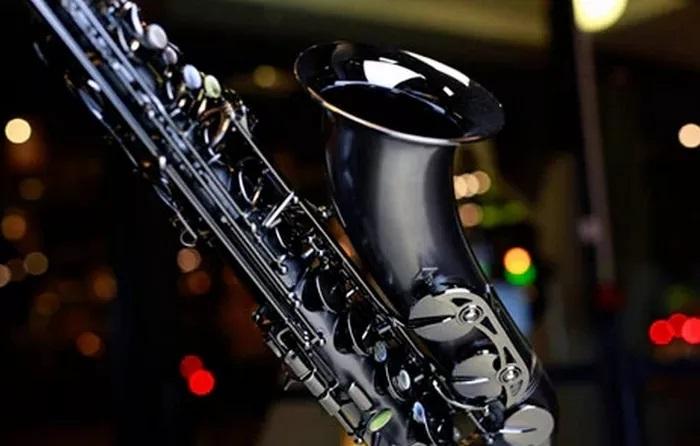
Saxophone vs Clarinet: Which Is Harder to Play?

Choosing a musical instrument can be a tough decision for beginners and even intermediate players. Among the most popular woodwind instruments, the saxophone and clarinet often stand out due to their versatility and prominent role in various music genres. While both belong to the woodwind family and use a single reed, their playing techniques, physical demands, and sound production differ significantly. This raises a common question among music learners and enthusiasts: which is harder, saxophone or clarinet?
History and Evolution
Understanding the historical background of both instruments helps explain their technical and musical challenges. The clarinet, invented in the early 18th century, has a long tradition in classical music, orchestras, and chamber music. Its complex fingering system evolved over centuries, making it a staple for technically demanding pieces.
The saxophone, invented by Adolphe Sax in the 1840s, was designed to bridge the tonal gap between brass and woodwind instruments. Its rise in popularity was fueled by jazz, marching bands, and later classical compositions. While initially designed for ease of play, the saxophone still demands precision in embouchure, breath control, and finger coordination, especially in advanced repertoires.
Physical Differences Between Saxophone and Clarinet
From a physical standpoint, both instruments present unique challenges. The clarinet is generally lighter and smaller, which makes it easier to carry and handle, especially for younger players. However, its narrow mouthpiece and smaller reed require precise embouchure and delicate breath control. In contrast, the saxophone is larger and heavier, requiring more arm strength and endurance. Its mouthpiece is bigger, demanding strong and flexible embouchure muscles to produce a consistent tone across all registers.
Fingering Systems and Technical Complexity
The fingering systems of the clarinet and saxophone significantly influence how difficult they are to play. The clarinet uses the Boehm system, which can be tricky due to its cross-fingerings and register key. Beginners often struggle with the transition between the chalumeau (low), clarion (middle), and altissimo (high) registers. The saxophone, on the other hand, has a more straightforward fingering system with fewer awkward cross-fingerings. This makes initial learning faster, but mastering advanced techniques such as altissimo notes and fast runs still requires dedicated practice.
Embouchure and Tone Production
Embouchure, or the way a player shapes their mouth around the mouthpiece, is a critical factor in determining difficulty. The clarinet demands a firm, focused embouchure to maintain pitch accuracy and a clear, resonant tone. Even minor adjustments can dramatically affect sound quality. The saxophone, while also requiring precise embouchure control, allows for a wider variety of tonal expression. However, controlling dynamics and producing a smooth, even tone across registers can be challenging, particularly in the upper altissimo range.
Breath Control and Airflow
Breath support is another area where differences emerge. The clarinet has a higher resistance, meaning less air passes through the instrument, which can tire beginners’ embouchure muscles less quickly but demands precise control to avoid squeaks and uneven tone. Saxophones allow more airflow, which can make it easier to produce a sound initially, but sustaining long phrases and controlling dynamics requires strong diaphragm support and lung capacity. Players often find that saxophone playing is more physically demanding in terms of breath endurance.
Range and Register Challenges
The clarinet boasts a wide range of over three octaves, with the characteristic jump between registers known as the “break.” Mastering the break is a critical challenge and a common stumbling block for beginners. The saxophone’s range is slightly smaller but more uniform, reducing the abruptness of register transitions. This can make the saxophone easier for initial learning, but advanced techniques such as altissimo notes and multiphonics present their own difficulties.
Articulation and Finger Coordination
Articulation, including staccato, legato, and tonguing techniques, differs between the instruments. The clarinet requires precise finger coordination to navigate complex passages, especially in classical literature. Rapid passages can be challenging due to its key system. The saxophone’s fingering is more ergonomic, allowing smoother technical execution. Nonetheless, mastering fast jazz runs, overtones, and intricate ornamentation on the saxophone still demands excellent coordination and practice.
Musical Styles and Genre Suitability
The type of music a player wants to pursue also impacts perceived difficulty. Clarinet is heavily used in classical orchestras, chamber music, and klezmer. Its technical demands are high in these settings, as players are expected to perform complex, precise passages with consistent tone. Saxophones dominate jazz, blues, and contemporary music. While initial access to expressive sound may be easier, mastering stylistic nuances, improvisation, and dynamic control adds layers of complexity.
Advanced Techniques
Advanced techniques add another layer of challenge. Clarinet players must master double and triple tonguing, altissimo register, and intricate ornamentation. Saxophonists face challenges in altissimo notes, multiphonics, slap tonguing, and circular breathing in jazz contexts. Each instrument has its unique set of advanced skills that require years of practice and specialized instruction. While the saxophone is ergonomically easier, the clarinet’s precision-based demands make it arguably more technically rigorous in classical settings.
Performance Pressure and Stage Presence
Performance expectations also influence difficulty. Clarinetists in orchestras often have demanding parts requiring precision and blend, leaving little room for error. Saxophonists, particularly in jazz or solo contexts, must combine technical skill with expressive improvisation, which can be mentally and physically challenging. Both instruments demand stage confidence, but the saxophone’s role as a soloist or lead instrument often adds performance pressure.
Comparison Summary
In comparing both instruments, several key points emerge:
Beginners: Saxophone may be easier to start with due to forgiving embouchure and ergonomic fingering.
Technical Mastery: Clarinet requires more precision in tone, register transitions, and fingering for advanced classical music.
Physical Demand: Saxophone requires greater breath support and arm endurance, especially for long performances.
Advanced Techniques: Both instruments have challenging techniques, but they differ by style (classical for clarinet, jazz/contemporary for saxophone).
Ultimately, difficulty depends on the player’s goals, musical style, and commitment. The clarinet may be more technically demanding in classical contexts, while the saxophone challenges players with expressive flexibility, breath control, and stylistic nuance.
Conclusion
Determining which is harder—saxophone or clarinet—is subjective and context-dependent. Beginners may find the saxophone more approachable, while the clarinet offers intricate challenges for those pursuing classical mastery. Both instruments demand discipline, practice, and dedication. Understanding their differences helps musicians make informed choices that align with their abilities, goals, and musical preferences. Whether you choose the clarinet’s precision or the saxophone’s expressiveness, both paths offer rich rewards and lifelong learning opportunities.