

Who Controls Asia's Green Supply Chain? Indonesia, Australia, and China Compete for Critical Minerals

The race to dominate Asia's green supply chain has become one of the defining geopolitical contests of the energy transition. As countries accelerate the shift toward electric vehicles (EVs), renewable energy, and advanced battery technologies, access to critical minerals has evolved from a commercial priority into a strategic national interest.
Indonesia, Australia, and China have emerged as the three most influential players in this competition. Each country brings unique strengths—whether vast mineral reserves, mining expertise, or industrial processing capacity—that could determine who controls the future of clean energy manufacturing.
At Geo Pulse Lab, we examine how the battle for critical minerals is transforming regional alliances, global trade, and geopolitical influence across the Indo-Pacific.
Why Critical Minerals Matter
Critical minerals such as lithium, nickel, cobalt, graphite, and rare earth elements are indispensable for manufacturing electric vehicle batteries, wind turbines, solar panels, semiconductors, and advanced defence technologies.
The critical minerals supply chain in Asia has become increasingly important because the region accounts for a significant share of global mining, processing, refining, and battery production. Nations seeking energy independence are investing heavily in securing stable and diversified mineral supplies.
This competition is no longer just about mining it is about controlling every stage of the supply chain, from extraction to processing and final manufacturing.
Indonesia's Nickel Strategy
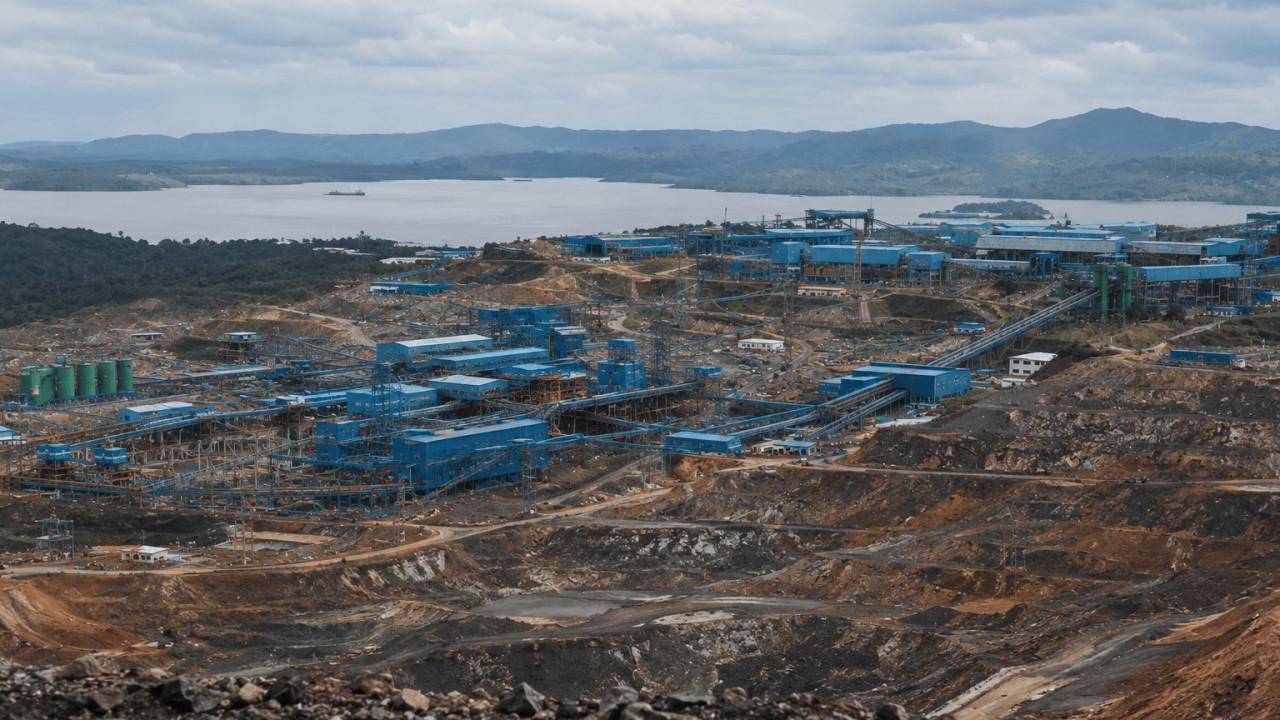
Indonesia possesses the world's largest nickel reserves, making it a cornerstone of the global electric vehicle industry.
Rather than exporting raw ore, Jakarta has pursued policies encouraging domestic processing and battery manufacturing. By restricting exports of unprocessed nickel and attracting foreign investment, Indonesia aims to become a global hub for electric vehicle batteries and clean energy manufacturing.
This strategy has drawn major investments from Asian and international companies while strengthening Indonesia's position in the Asia critical minerals supply chain.
However, challenges remain. Environmental concerns, infrastructure requirements, and sustainable mining practices will play a decisive role in determining whether Indonesia can maintain its competitive advantage.
Australia's Resource Advantage
Australia remains one of the world's leading producers of lithium and several other strategic minerals essential for clean energy technologies.
Unlike Indonesia, Australia's competitive strength lies in high-quality mineral reserves, stable regulatory institutions, and partnerships with advanced economies.
Canberra has increasingly focused on expanding domestic mineral processing rather than exporting raw materials. Governments and private investors are supporting projects designed to strengthen critical minerals supply chains for electric vehicle batteries while reducing dependence on overseas refining.
Australia is also deepening cooperation with Indo-Pacific partners seeking secure, transparent, and diversified supply chains.
China's Dominance in Mineral Processing
Although China does not possess every major mineral reserve, it has developed unparalleled capabilities in mineral refining, battery production, and advanced manufacturing.
Over the past two decades, Beijing has invested heavily across global mining sectors while building extensive processing facilities that now dominate several critical mineral markets.
China's position within the global critical minerals supply chain allows it to influence pricing, industrial capacity, and manufacturing competitiveness.
As demand for electric vehicles and renewable energy technologies continues to rise, China's integrated supply chain provides significant economic and geopolitical leverage.
Geopolitical Competition Intensifies
The competition among Indonesia, Australia, and China reflects a broader geopolitical struggle over economic security and technological leadership.
Countries including Japan, South Korea, India, the United States, and members of the European Union are pursuing new partnerships to diversify mineral imports and reduce supply chain risks.
The objective is not only to secure access to raw materials but also to establish resilient processing networks capable of supporting long-term industrial growth.
This growing rivalry has transformed critical minerals and geopolitical competition in Asia into a central issue for governments, investors, and multinational manufacturers.
Supply Chain Security Becomes a Strategic Priority
Recent disruptions in global trade have highlighted the vulnerability of concentrated supply chains.
Governments are increasingly prioritising:
- Diversification of mineral imports
- Domestic refining capacity
- Strategic mineral stockpiles
- International investment partnerships
- Sustainable mining standards
Building resilient supply chains has become essential for achieving both climate goals and national security objectives.
Environmental and Social Challenges
Expanding mineral production also raises complex environmental and governance concerns.
Mining projects often affect biodiversity, local communities, and water resources. As investment accelerates, governments face growing pressure to ensure responsible extraction while balancing economic development.
International buyers are placing greater emphasis on Environmental, Social, and Governance (ESG) standards, making sustainability an increasingly important factor in long-term competitiveness.
Countries capable of combining responsible mining with efficient industrial policies are likely to attract greater international investment.


