

Security Camera Improvements That Require Minimal Investment
A reliable surveillance system does not always require expensive equipment or a complete replacement of existing hardware. In many homes, offices, shops, warehouses, and commercial properties, simple improvements can significantly enhance security without requiring a large investment.
Over time, surveillance performance can decline because of poor camera positioning, dirty lenses, inadequate lighting, outdated settings, damaged cables, or insufficient storage. Addressing these issues can often provide noticeable improvements without purchasing an entirely new system.
For property owners working with a limited budget, the goal should be to identify weaknesses in the existing setup and improve the areas that have the greatest impact. From adjusting camera angles to improving lighting and network performance, several practical upgrades can make an existing surveillance system more effective.
Reposition Existing Cameras
One of the easiest and least expensive ways to improve surveillance is to review camera positioning. Even high-quality security cameras may provide limited protection if they are pointed toward the wrong areas.
Cameras should be positioned to monitor important locations such as:
-
Main entrances and exits
-
Parking areas
-
Cash counters
-
Storage rooms
-
Hallways
-
Staircases
-
Gates and access points
Avoid positioning cameras directly toward strong light sources because this can create glare and reduce image clarity. A small adjustment in angle can sometimes provide a greater improvement than purchasing a new camera.
Clean Camera Lenses
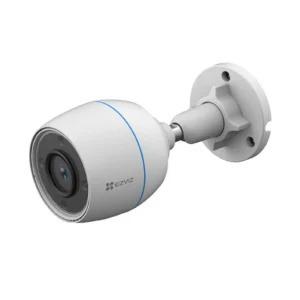
Dust, fingerprints, moisture, and environmental particles can gradually reduce image quality. This is particularly common with outdoor installations exposed to wind, rain, and dust.
Cleaning the lens regularly is a simple maintenance task that requires very little investment. Use a soft microfiber cloth and an appropriate lens-cleaning solution to remove dirt without scratching the surface.
For outdoor cameras, inspect protective covers and housings as well. A dirty or cloudy cover can make otherwise clear footage appear blurry.
Regular cleaning is especially important when cameras are expected to identify faces, vehicles, or other important details.
Improve Existing Lighting
Lighting has a major influence on surveillance performance. A camera may have good specifications but still produce poor footage if the monitored area is too dark.
Instead of immediately replacing the camera, consider improving the surrounding lighting. Motion-activated lights, LED fixtures, and strategically positioned outdoor lighting can make a significant difference.
Proper lighting can also reduce image noise and improve color accuracy during evening hours.
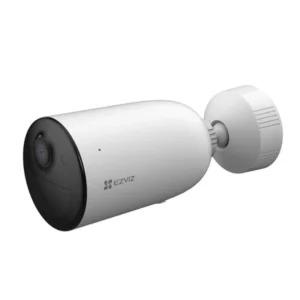
For locations that require continuous monitoring after sunset, selecting the best night vision security camera can provide an additional advantage. However, improving the lighting around an existing camera may be a more affordable first step.
Adjust Camera Settings
Many surveillance systems are installed with default settings that are not necessarily ideal for every environment. Adjusting image parameters can improve performance without requiring new equipment.
Useful settings to review include:
-
Brightness
-
Contrast
-
Exposure
-
Sharpness
-
Saturation
-
Motion sensitivity
-
Recording quality
Avoid increasing sharpness or brightness excessively because this can introduce unwanted image artifacts.
Settings should be adjusted according to the lighting conditions and security requirements of each location.
Optimize Motion Detection
Motion detection can help reduce unnecessary recordings and make important events easier to identify. However, incorrect sensitivity settings can result in excessive alerts.
For example, a camera pointed toward a busy road may detect passing vehicles continuously. Similarly, trees moving in strong winds can trigger repeated notifications.
Adjust motion detection zones so that the system focuses on relevant areas. Exclude locations where regular movement does not represent a security concern.
This simple adjustment can improve monitoring efficiency without requiring additional hardware.
Upgrade Storage Management
Video storage is another area where small improvements can make a significant difference. Recording every camera continuously at maximum quality may consume storage space quickly.
Review the recording settings and determine which areas require continuous recording and which can use motion-based recording.
Additional strategies include:
-
Adjusting video bitrate
-
Selecting appropriate frame rates
-
Using motion-based recording
-
Removing unnecessary footage
-
Monitoring storage health
Before reducing recording quality, ensure that important details such as faces and license plates remain sufficiently clear.
Improve Network Performance
Wireless and network-connected surveillance systems depend on stable connectivity. Poor network performance can cause delayed notifications, buffering, dropped connections, or interrupted recordings.
Several low-cost improvements can help:
-
Reposition the wireless router
-
Remove unnecessary network congestion
-
Update compatible firmware
-
Improve Wi-Fi coverage
-
Check Ethernet connections
-
Restart network equipment when necessary
For users considering a wireless upgrade, comparing the wireless camera price in Pakistan should not be the only consideration. Signal strength, network compatibility, storage options, and reliability are equally important.
Add Better Protection Against Weather
Outdoor surveillance equipment is exposed to environmental conditions that can affect performance over time. Rain, dust, humidity, heat, and direct sunlight can damage equipment or reduce image quality.
Simple protective measures can extend the life of outdoor installations. Check whether the camera housing is properly sealed and ensure that water cannot enter through cable connections.
A small protective cover or correctly installed junction box can prevent expensive damage.
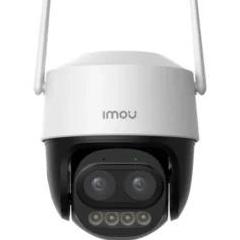
Improve Camera Coverage With a PTZ Camera
Some properties have large areas that cannot be effectively monitored using fixed cameras alone. In such situations, upgrading one strategically selected location with a PTZ camera may provide broader coverage without installing multiple fixed units.
A PTZ model can typically pan, tilt, and zoom, allowing operators to monitor different areas from a single installation point.
This can be useful for:
-
Large parking areas
-
Warehouses
-
Building entrances
-
Open yards
-
Commercial compounds
Rather than replacing the entire surveillance system, adding one suitable camera to a critical location can provide an affordable coverage improvement.
Strengthen Camera Mounting
A camera that moves because of wind, vibration, or an unstable mounting surface can produce poor footage even when the equipment itself is functioning correctly.
Check mounting brackets and screws periodically. Make sure the camera is firmly attached to the wall, ceiling, pole, or other mounting surface.
A stable installation helps maintain the intended viewing angle and prevents unnecessary adjustments.
Improve Power Reliability
Power interruptions can cause surveillance systems to stop recording at critical moments. A basic backup power solution can provide an affordable way to improve system reliability.
Depending on the installation, options may include:
-
UPS systems
-
Surge protection
-
Voltage regulation
-
Backup batteries
Protecting cameras and recording equipment from unstable electrical conditions can also reduce the risk of hardware damage.
In areas where power interruptions occur frequently, a backup system can be one of the most valuable low-cost improvements.
Review Blind Spots Regularly
Security requirements can change when a property is renovated, new structures are added, or furniture and equipment are relocated.
For this reason, camera coverage should be reviewed periodically. Walk around the property and determine whether important areas remain visible.
Pay particular attention to:
-
Newly installed walls
-
Changed entrances
-
Parking modifications
-
New storage areas
-
Landscaping changes
If a blind spot is identified, repositioning an existing camera may solve the problem without requiring a new installation.
Upgrade Only the Weakest Components
A complete surveillance replacement is rarely necessary if most of the system continues to perform properly. Instead, identify the weakest component and upgrade it first.
For example, if daytime footage is clear but night-time footage is poor, improving the night surveillance solution may be more beneficial than replacing every camera.
Likewise, if coverage is adequate but wireless connectivity is unreliable, improving the network may provide a better return on investment.
This targeted approach allows property owners to improve surveillance gradually while controlling expenses.
Consider Long-Term Maintenance
Affordable surveillance improvements should not focus exclusively on the initial cost. Maintenance, reliability, energy consumption, storage requirements, and equipment lifespan also influence the overall value of an upgrade.
Regular maintenance can include:
-
Cleaning lenses
-
Checking mounting hardware
-
Inspecting cables
-
Reviewing recording settings
-
Testing notifications
-
Checking storage health
-
Inspecting power connections
These routine tasks can prevent small problems from developing into expensive failures.


