

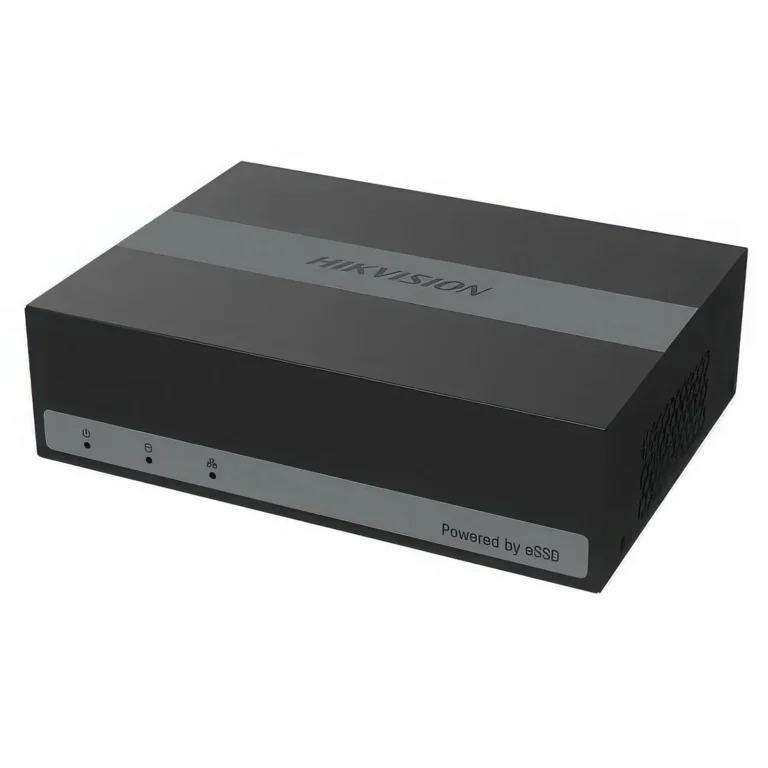
How Many Channels DVR Do You Need? 4CH vs 8CH vs 16CH Explained
Channel count is one of the first decisions you'll face when buying a DVR, and it's also one of the easiest to get wrong in either direction — paying for capacity you'll never use, or buying just enough to cover today's cameras and hitting a wall the moment you want to add one more. Getting this right starts with an honest count of what you actually need to cover, not just what sounds like a safe round number.
What "Channels" Actually Means in Practice
Each channel on a DVR corresponds to one camera connection, so a 4-channel DVR supports up to four cameras, an 8-channel supports up to eight, and so on. This is a hard limit, not a suggestion — once every channel is in use, adding another camera means either replacing the DVR with a higher-channel model or, in some cases, adding a second separate recorder, which complicates management since you'd then be reviewing footage across two systems rather than one.
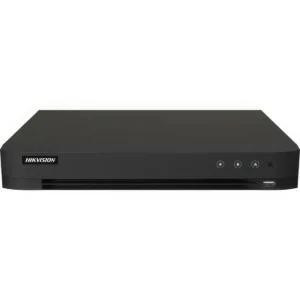
This is why channel count deserves real thought upfront rather than being treated as an afterthought once you've already picked cameras and installation locations.
When a 4-Channel DVR Makes Sense
A 4-channel DVR is generally sized for the smallest, most straightforward coverage needs — a single-entrance home, a small shop with one till and one entrance, or a compact apartment where the main goal is watching the front door and maybe one indoor area. This tier keeps cost down considerably compared to higher-channel options, which makes sense when you genuinely don't anticipate needing more than a handful of cameras now or in the foreseeable future.
The risk with a 4-channel system is running out of room quickly if your needs grow even slightly — adding a side gate camera, a stockroom camera, or a second indoor unit can mean you've already used every available channel, forcing an earlier-than-expected upgrade. If there's any reasonable chance you'll want even one or two more cameras within the next year or two, it's worth seriously considering the next tier up rather than assuming four will stay sufficient.
When an 8-Channel DVR Is the More Practical Middle Ground
An 8-channel DVR covers a meaningfully wider range of properties without jumping all the way to a 16-channel system's cost and capacity. This tier suits a home with a boundary wall, front and rear entrances, and maybe an indoor camera or two, or a small to medium shop needing coverage of the till, entrance, and a couple of additional areas like a stockroom or a second display zone.
Eight channels also leaves reasonable room for modest future expansion without needing every single port filled from day one, which is often the more sensible approach for households or businesses that expect to add one or two cameras over time as budget allows, rather than committing to their full camera count immediately.
When You Genuinely Need a 16-Channel System
A 16-channel DVR in Pakistan setup is generally the right choice once you're covering a larger property — a bigger house with an extensive boundary and multiple entry points, a mid-sized warehouse, or a business with several separate rooms, floors, or access points that each need dedicated coverage. This tier also makes sense for properties that are actively planning to expand their camera coverage over the coming years, since starting with more available channels avoids a full recorder replacement down the line.
For genuinely large commercial or industrial properties needing more than sixteen cameras, channel counts continue upward into 32-channel and higher options, though at that scale it's often worth discussing your specific layout with an installer who can help plan camera placement alongside recorder capacity, rather than picking a channel count independently of a broader coverage plan.
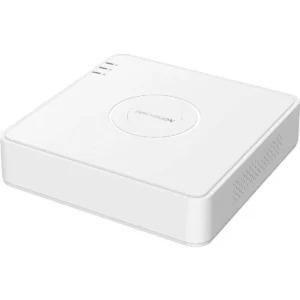
Avoiding the Common Mistake of Buying for Today Only
One of the more frequent planning mistakes is sizing a DVR exactly to your current camera count with zero room for growth, then finding within a year that you want to add coverage for a spot you hadn't originally considered — a new gate, an extended boundary wall, or an additional room. Building in a small buffer, generally one or two extra channels beyond your immediate need, tends to be worth the modest additional cost compared to facing a full recorder replacement sooner than expected.
That said, this doesn't mean defaulting to the largest available channel count regardless of actual need — a 16-channel system for a small home with three cameras is simply unnecessary spending on capacity that will likely sit unused indefinitely.
Comparing Total Cost Across Channel Tiers
Retailers and installers across Pakistan often quote DVR prices in Pakistan differently depending on whether the hard drive, cabling, and installation labor are bundled into the figure or sold as separate line items, so a lower headline number doesn't always translate into a lower final bill once those extras are added. Getting an itemized quote rather than a single bundled price makes it much easier to compare offers fairly across different channel tiers, since a higher-channel DVR paired with fewer cameras than its capacity isn't necessarily wasted money if it accommodates realistic near-term growth, but it is wasted money if that extra capacity will likely never be used.
How PoE Switches Factor Into IP-Based Alternatives
If you're considering an IP camera and NVR-based system instead of a traditional analog DVR, channel sizing works similarly, but you'll also want to check PoE switch price figures if your chosen NVR doesn't include enough built-in PoE ports for your planned camera count. This is a parallel consideration to DVR channel sizing — just as an undersized DVR limits your camera count, an undersized PoE switch or NVR with too few PoE ports limits how many IP cameras you can power and connect without adding separate networking hardware.
Matching Channel Count to Property Type
-
Single entrance home or small shop: A 4-channel DVR generally covers basic needs if you're confident you won't expand much beyond that.
-
Home with a boundary wall and multiple entry points, or a small-to-medium shop: An 8-channel DVR offers a practical middle ground with some room to grow.
-
Larger homes, mid-sized warehouses, or multi-room businesses: A 16-channel system provides adequate coverage with reasonable expansion room.
-
Large commercial or industrial properties: Channel counts beyond 16 are worth planning alongside a broader installer-guided coverage strategy.
-
Any tier: Build in a small buffer beyond your immediate camera count rather than sizing exactly to today's needs.
Choosing the right channel count comes down to an honest assessment of your current camera needs plus a reasonable allowance for growth, rather than defaulting to the cheapest option or the largest available capacity. Count your actual planned camera positions, add a small buffer for realistic future expansion, and choose the DVR tier that comfortably covers both without paying for capacity you're unlikely to ever use.


