

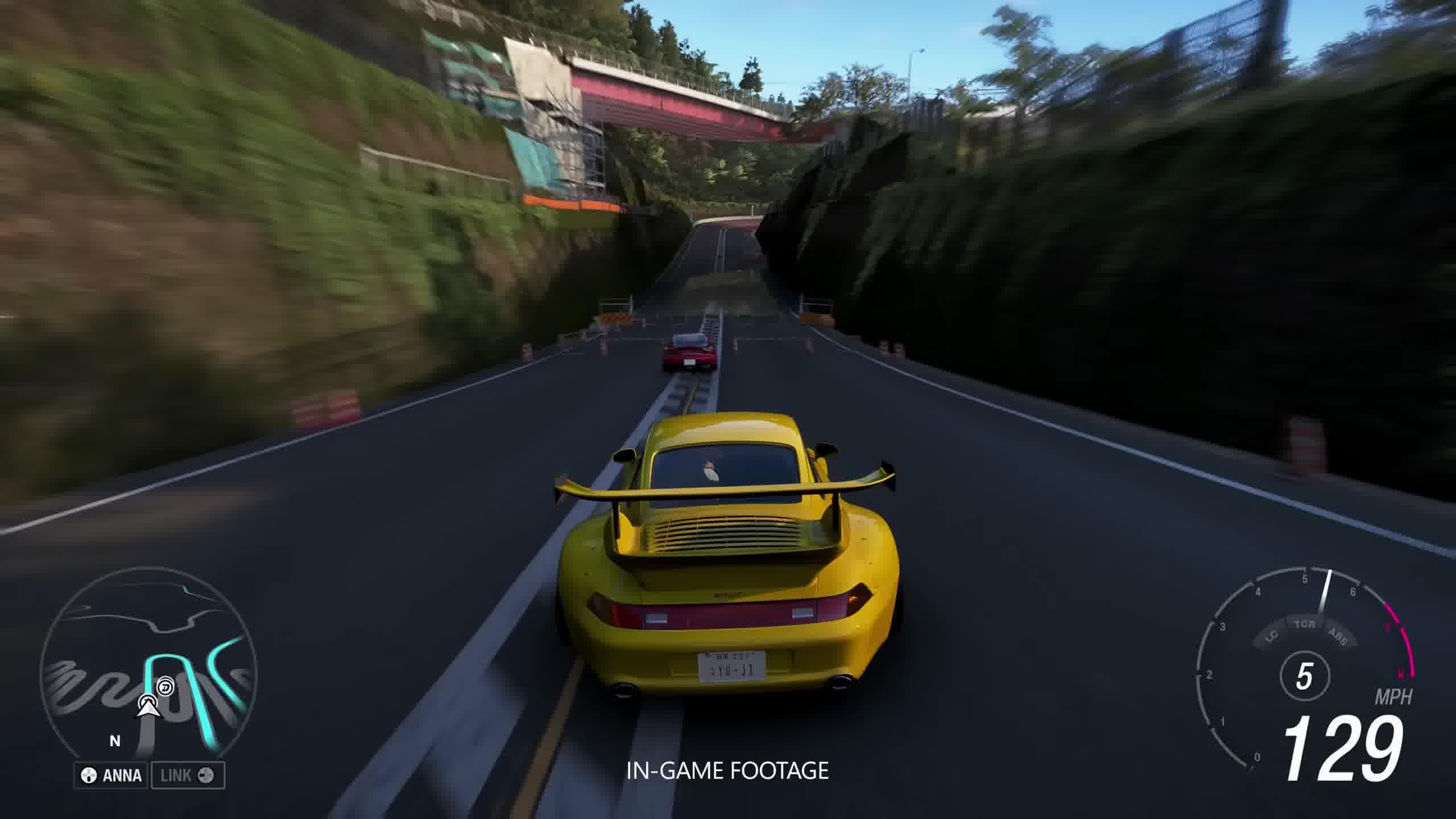
Forza Horizon 6: Conquer the Competition and Become a Racing Icon by U4GM

Calling Forza Horizon 6 a racing game is technically correct, but it does not fully describe what Playground Games has created.
Released on May 19, 2026, the latest Horizon adventure combines competitive racing, cultural exploration, social interaction, vehicle customization, property building, and community-generated content.
Its greatest strength is that all of these systems exist inside one connected world.
The Racing Foundation
At its heart, Forza Horizon 6 Modded Accounts remains a racing experience.
The Horizon Festival Campaign offers dirt races, high-speed competitions, spectacular stunt events, and Horizon Invitational challenges.
Players who want a traditional progression path can follow that structure toward Legend Island, an endgame destination reserved for successful drivers.
The competitive foundation ensures that longtime Horizon fans still have plenty of reasons to race.
But racing is only one layer.
The Exploration Layer
The Discover Japan Line creates an entirely different experience.
Players can visit shrines, investigate architecture, and explore cultural locations while learning from local guides.
Food delivery challenges through Tokyo's tight streets add a playful activity that feels very different from conventional racing.
This makes the game feel closer to an interactive road trip than a standard racing campaign.
The Creative Layer
Vehicle customization gives players the ability to build cars that reflect their own tastes.
Widebody kits, stance settings, aerodynamic modifications, and detailed liveries allow significant visual experimentation.
Window-glass liveries are another useful addition for creators.
Players interested in expanding their garages may encounter communities centered around Forza Horizon 6 Modified Accounts, particularly those interested in unusual collections and customized builds.
Yet the game's creative ambitions extend beyond vehicles.
Building an Automotive Property
The Mountain Estate gives players a large personal space in which to build an automotive compound.
Garages, lights, and obstacles can be arranged to create a personalized environment.
This changes the meaning of ownership within the game.
Instead of simply collecting cars, players can create a place where their collection has a visual identity.
The estate can become a showroom, workshop, social venue, or creative playground.
The Community Layer
Then comes the Collab system.
Players can cooperate in real time to create custom tracks, stunt parks, and obstacle courses.
This is arguably one of the most important additions because it allows the community to generate experiences rather than simply consume them.
A player might spend hours racing official events and then switch completely to building something new with friends.
The game accommodates both roles.
The Immersion Layer
The Japanese setting connects all of these systems.
Tokyo provides energy and density.
Mountain regions provide dramatic elevation.
Rural areas create peaceful driving opportunities.
Forests and valleys introduce different visual and acoustic environments.
Dynamic weather and seasonal changes further alter the atmosphere.
Even sound design has been tailored to the environment. Engines echo in tunnels and behave differently in open spaces, while rain creates another layer of environmental immersion.
A World for Different Players
The most impressive thing about Forza Horizon 6 may be how many different types of players it can satisfy.
Competitive drivers have structured progression.
Explorers have cultural activities and scenic roads.
Collectors have an extensive vehicle world.
Creators have customization and building tools.
Social players have gathering areas and collaborative systems.
Casual players can simply drive.
The game does not require these audiences to play in the same way.
The Freedom to Define Fun
That flexibility represents a broader change in open-world design.
Instead of forcing players through a predetermined progression loop, Forza Horizon 6 allows them to choose their own relationship with the world.
The player can spend an evening chasing lap times or simply cruising through Japan.
They can build cars instead of racing them.
They can create tracks instead of driving developer-designed courses.
They can meet friends at Daikoku rather than competing against them.
The game does not make any of these choices feel invalid.
A Broader Horizon
Forza Horizon 6 Credits demonstrates how a racing franchise can expand without losing its identity.
Cars remain central, speed remains important, and competition remains exciting.
But around those foundations is an ecosystem of exploration, creativity, culture, and community.
That is why the game feels larger than a traditional racing title.
It is not simply about reaching the finish line.
It is about deciding what you want to do once you have the freedom to drive anywhere.


