
College Football 27: How to Use the New Blueprint Mode | U4GM

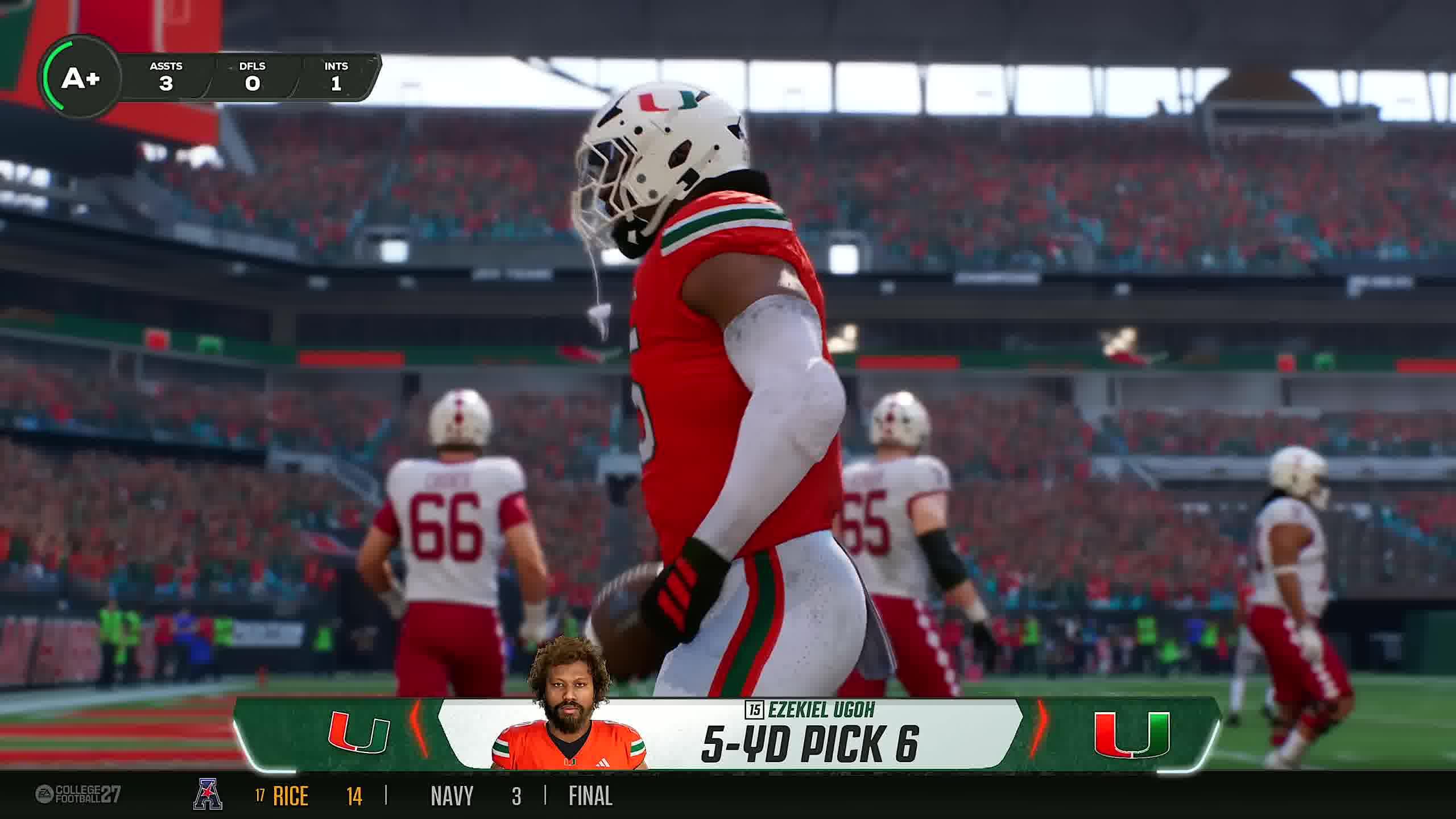
A modern football simulation has to accomplish two difficult goals at once. It needs to remain accessible enough for newcomers to enjoy while offering experienced players enough control to make individual decisions matter. College Football 27 Coins approaches that challenge with several gameplay changes focused on defensive strategy, receiving mechanics, artificial intelligence, and player control.
The defensive overhaul is one of the most significant changes. The game features 31 defensive playbook options, providing a broader selection of schemes for players who enjoy designing different approaches. Rather than relying solely on preset defensive behavior, users have greater control over how defensive backs respond to receivers.
Smart Zones allow coverage logic to be adjusted based on the situation. A conservative approach can prioritize preventing big plays, while a more aggressive setup can create opportunities for tighter coverage and pressure. The choice becomes part of the strategy rather than simply a cosmetic adjustment.
Plaster Coverage is particularly useful when quarterbacks leave the pocket. Broken plays are a major feature of modern college football, where mobile quarterbacks can turn a failed passing play into a scramble opportunity. With plastering, defenders can remain connected to receivers for longer, forcing the offense to earn its separation instead of receiving an automatic advantage when the play breaks down.
That emphasis on decision-making continues on offense with Precision Catching. The new optional timing meter gives receivers an additional responsibility when attempting difficult catches. A player has to judge when to make the catch attempt and execute at the right moment.
Deep passing therefore becomes more nuanced. A perfectly thrown ball is not necessarily a guaranteed completion, particularly when a defender is nearby. Receiver control can determine the outcome, which creates a greater skill gap for players who spend time mastering the system.
Running plays benefit from improvements to offensive line AI. Linemen are intended to stay with their assignments rather than moving unpredictably, giving runners more reliable blocking structures. The change encourages players to read their blocks instead of immediately sprinting forward.
For example, a running back might see a defensive lineman occupying the expected gap and recognize that the offensive line is developing another opening. Waiting a fraction longer can create a larger lane. That type of patience is closer to how successful running games operate in real football.
The gameplay changes also interact with Dynasty Mode. Building a roster is no longer just about collecting highly rated athletes. Coaches need to understand what their system requires. A defense built around aggressive coverage might need defensive backs with different strengths from a conservative zone-based scheme. A run-heavy offense may place greater importance on offensive line depth and tight ends.
Road to Glory benefits in a similar way. The addition of Edge Rusher, Free Safety, and Tight End gives users more ways to experience the field from a single-player perspective. Each position has different responsibilities, making the career experience change substantially depending on the role.
For those who spend significant time with progression systems, cheap College Football 27 Coins may appear in discussions about improving or expanding their experience. Players interested in the game's virtual economy may also search for College Football 27 Coins, but should consider official purchasing options and platform policies before making transactions.
The gameplay system is also supported by presentation changes. Dynamic weather can alter conditions during a game, potentially forcing players to adjust their approach. Heavy rain can make a passing strategy more challenging, while snow may create a different rhythm in the later stages of a contest.
The broader atmosphere includes 138 FBS programs, unique stadium traditions, customizable crowd themes, and broadcast contributions from Joel Klatt and Holly Rowe. Those details matter because football simulation is partly about context. A difficult third-down conversion feels different in a quiet practice setting than it does in a packed rivalry environment.
College Football 27 ultimately encourages players to think more carefully about what happens on each play. Coverage adjustments, catch timing, blocking assignments, quarterback movement, and weather can all affect the outcome. The result is a system in which successful players are rewarded not only for knowing the controls but also for understanding why a particular decision works.
For long-term players, that provides a reason to keep experimenting. Different defensive structures can be tested, receiving techniques can be practiced, and offensive strategies can be adjusted around the strengths of individual rosters. Instead of treating each game as an isolated contest, CUT Coins gives players a toolkit for developing their own style of play.


