

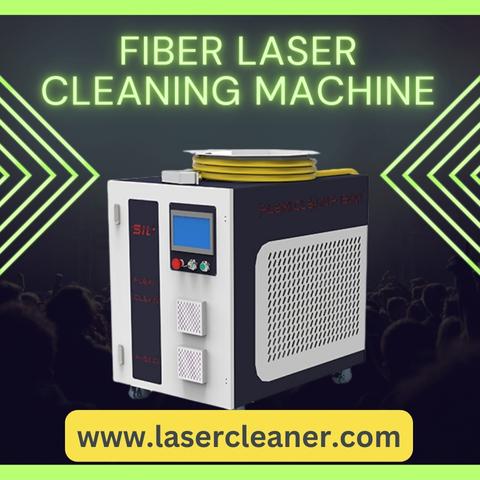
Fiber Laser Cleaning Machine Transform Modern Surface Cleaning Processes
Industrial surface preparation is an essential part of manufacturing, maintenance, restoration, and metalworking. Traditional cleaning methods often involve chemicals, abrasive materials, grinding, or manual labor. As industries look for cleaner and more controlled processes, laser technology has become an increasingly practical option. Among modern solutions, the fiber laser cleaning machine is designed to remove unwanted materials from surfaces while maintaining precise control over the cleaning process.
A fiber laser cleaning machine uses a concentrated laser beam to interact with contaminants such as rust, paint, oil, oxide layers, dirt, and other unwanted surface materials. Instead of relying on physical contact, the process uses controlled laser energy to separate contaminants from the underlying material. This makes the technology suitable for a wide range of industrial applications.
What Is a Fiber Laser Cleaning Machine?
A fiber laser cleaning machine is an industrial cleaning system that uses fiber laser technology to remove contaminants from a material's surface. The machine directs a high-energy laser beam toward a selected area, where the laser interacts with unwanted substances.
Depending on the application, the laser parameters can be adjusted to control the cleaning intensity, scanning speed, frequency, and other operating conditions. This allows users to adapt the process to different materials and contamination levels.
The technology is commonly used for cleaning metals such as steel, stainless steel, aluminum, copper, and various industrial components. It can also be applied to selected surfaces where controlled material treatment is required.
How Does Laser Cleaning Work?
Laser cleaning is based on the interaction between laser energy and surface contaminants. When the laser beam reaches a contaminated surface, the unwanted material absorbs energy and is rapidly affected by the laser pulse.
Contaminants such as rust, paint, oil, oxide layers, and dirt can respond differently depending on their composition and thickness. By selecting appropriate laser settings, operators can target the unwanted layer while limiting the effect on the underlying material.
The cleaning head moves across the surface according to the selected scanning pattern. This makes it possible to process large areas as well as smaller sections that require detailed treatment.
Because the process does not depend on abrasive contact, there is no need to continuously replace blasting media or physical cleaning tools during operation.
Applications in Metal Surface Preparation
One of the most common uses for a fiber laser cleaning machine is metal surface preparation. Before welding, coating, painting, or further manufacturing, metal surfaces often need to be free from rust, oxidation, oil, and other contaminants.
Laser cleaning can prepare the surface by removing unwanted layers and exposing a cleaner working area. This can be particularly useful in workshops where components must be prepared before welding or coating.
For example, a manufacturer working with steel components may use laser cleaning to remove rust and surface oxidation before carrying out additional fabrication work. Similarly, an automotive workshop can use the technology to clean selected metal parts before restoration or repair.
Removing Rust and Oxide Layers
Rust removal is another important application of laser technology. Metal components exposed to moisture and environmental conditions can develop oxidation over time.
A fiber laser cleaning system can be configured to target rust and oxidation from suitable metal surfaces. The operator can adjust the laser parameters according to the material and contamination.
This makes laser cleaning useful for machinery maintenance, metal restoration, industrial components, tools, molds, and fabricated parts. Instead of manually grinding every affected area, operators can use a controlled laser process for targeted cleaning.
Paint and Coating Removal
Removing old paint and coatings can be a time-consuming part of maintenance and restoration work. Conventional methods may involve chemical stripping, sanding, or abrasive blasting.
Laser technology provides another approach by directing controlled energy at the unwanted coating. The paint absorbs the laser energy and can be removed from the surface as the cleaning head moves across the work area.
This application can be useful for industrial equipment, metal structures, automotive components, machinery parts, and selected restoration projects. The appropriate laser configuration depends on the coating type, substrate, thickness, and required cleaning result.
Oil, Grease, and Industrial Contaminants
Industrial components can accumulate oil, grease, carbon deposits, and other contaminants during manufacturing and operation. Keeping these surfaces clean is important for maintenance and subsequent processing.
A fiber laser cleaning machine can be used for certain types of surface contamination where the laser parameters can be appropriately controlled. This can help prepare components for inspection, repair, welding, coating, or assembly.
Laser cleaning is especially interesting for applications where minimizing consumable cleaning materials is important. The system can provide a repeatable process when operators establish suitable working parameters.
Laser Cleaning for Welding Preparation
Clean surfaces are particularly important in welding applications. Rust, paint, oil, and oxidation can interfere with the preparation of metal before welding.
Laser cleaning can be used to prepare selected areas before welding by removing unwanted surface contaminants. This allows the operator to focus cleaning precisely where it is required.
Handheld laser cleaning systems can be useful in workshops because the operator can guide the cleaning head over components of different shapes and sizes. For production environments, automated or integrated systems can also be considered depending on the manufacturing process.
Industrial Machinery Maintenance
Regular maintenance helps industrial machinery remain ready for production. Components can accumulate dirt, rust, oil, and other materials during continuous operation.
A fiber laser cleaning system can be incorporated into maintenance procedures for suitable components. Operators can target specific areas instead of treating an entire machine unnecessarily.
This can be particularly useful when cleaning gears, molds, metal fixtures, machine components, and other industrial parts. The exact cleaning method should always be selected according to the material, contamination, and equipment manufacturer's recommendations.
Choosing the Right Laser Cleaning System
Selecting a laser cleaning machine requires careful consideration of the intended application. Different cleaning tasks can require different laser power levels, operating modes, scanning systems, and cleaning configurations.
Users should consider the material they intend to clean, the type and thickness of contamination, the size of the working area, production requirements, and the desired cleaning speed.
For smaller maintenance operations, a compact handheld system may provide the required flexibility. Larger manufacturing environments may require higher-powered systems or automated solutions capable of handling continuous production workloads.
It is also important to consider the machine's control system, laser source, cooling arrangement, scanning mechanism, warranty, technical support, and availability of replacement components.
Operating and Workplace Considerations
Laser equipment should always be operated according to the manufacturer's instructions and applicable workplace safety requirements. High-power laser systems can present serious hazards to eyes and skin, so appropriate protective measures are essential.
The working environment should be prepared according to the laser's safety classification and the requirements of the specific application. Operators should receive proper training before using industrial laser equipment.
Ventilation and fume extraction may also be required because removing paint, coatings, oil, or other contaminants can generate fumes or particles. The cleaning area should therefore be arranged to provide appropriate protection and ventilation.
Growing Demand for Laser Cleaning Technology
As manufacturers continue to modernize their production and maintenance processes, interest in laser-based surface treatment is increasing. Businesses are looking for equipment that can provide controlled cleaning while reducing dependence on conventional consumables.
The versatility of fiber laser technology makes it suitable for many industrial applications, from rust removal and paint stripping to surface preparation and equipment maintenance.
Manufacturers and workshops can evaluate laser cleaning based on their specific workload, material requirements, production environment, and long-term maintenance needs.
Final Thoughts
A fiber laser cleaning machine provides a modern approach to industrial surface cleaning and preparation. Its ability to target unwanted materials such as rust, paint, oxidation, oil, and dirt makes it relevant to many metalworking and maintenance applications.


