

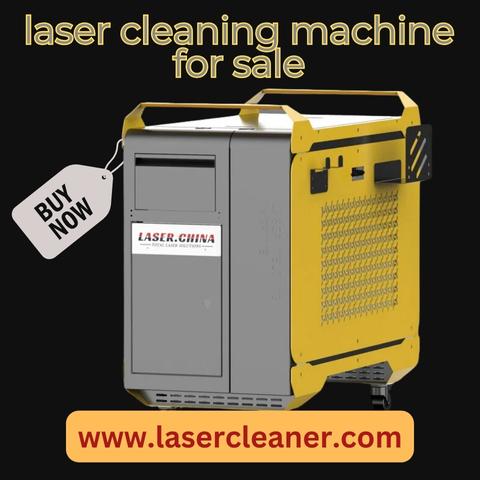
Laser Cleaning Machine for Sale: A Practical Guide to Modern Surface Cleaning
When manufacturers, workshops, restoration specialists, and industrial businesses need a reliable method for removing unwanted materials from surfaces, laser technology has become an increasingly practical option. A laser cleaning machine for sale provides a modern approach to surface preparation by using concentrated laser energy to remove contaminants such as rust, paint, oil, oxide layers, carbon deposits, and other residues.
Unlike conventional cleaning methods that often depend on chemicals, abrasives, or intensive manual labor, laser cleaning uses controlled light energy to interact with unwanted material on the surface. This makes the technology suitable for many applications where precision, consistency, and controlled processing are important.
As laser cleaning equipment continues to develop, businesses can find machines designed for different working environments, materials, and cleaning requirements. Understanding how these systems operate and where they can be used is important before selecting equipment for professional applications.
Understanding Laser Cleaning Technology
Laser cleaning works by directing a concentrated laser beam onto a contaminated surface. The energy interacts primarily with the unwanted layer, causing it to detach, vaporize, or break apart depending on the material and selected operating parameters.
The process can be adjusted according to the type of contamination, substrate, laser source, power level, scanning speed, and other operating conditions. Proper parameter selection is essential because different materials respond differently to laser energy.
For example, rust on steel may require different settings from paint on an aluminum component. Similarly, carbon deposits on industrial parts may need a different approach from surface preparation before welding.
This controlled operation allows laser cleaning systems to be used for a wide range of industrial and maintenance applications.
Where a Laser Cleaning Machine Can Be Used
A laser cleaning machine for sale can be used across several industries because surface contamination is a common issue in manufacturing and maintenance.
Metal fabrication businesses may use laser cleaning for removing rust and oxidation from metal components. Automotive workshops can apply the technology to parts, molds, engine components, and other metal surfaces. In industrial manufacturing, laser cleaning can support preparation before welding, coating, painting, or bonding.
The technology can also be used for removing old paint from selected metal surfaces. Restoration work is another area where controlled cleaning can be valuable, particularly when professionals need to remove unwanted layers while maintaining careful control over the underlying material.
Other applications include mold cleaning, weld preparation, oxide removal, surface preparation, and maintenance of industrial components.
Rust Removal With Laser Cleaning
Rust is one of the most common contaminants affecting metal surfaces. If it remains untreated, corrosion can continue to damage components and reduce their usable life.
Laser cleaning provides a controlled way to target rust and oxidation. The laser beam interacts with the contaminated layer, helping separate it from the underlying metal.
For workshops handling steel structures, machine parts, tools, or fabricated components, this can make laser-based rust removal an interesting alternative to traditional mechanical cleaning processes.
The correct laser settings are important for achieving consistent results. Operators need to consider the material, thickness, contamination level, and required surface condition before beginning the cleaning process.
Removing Paint and Coatings
Old paint and coatings can create additional work during renovation, maintenance, and manufacturing operations. Mechanical stripping may require considerable physical effort, while chemical stripping introduces the need to manage chemical materials and residues.
Laser cleaning can be configured for selected coating-removal applications. By controlling the laser parameters, operators can work on specific painted areas and prepare surfaces for subsequent processing.
This makes the technology relevant to industries involved in equipment refurbishment, automotive restoration, manufacturing, and industrial maintenance.
Preparing Surfaces Before Welding
Surface preparation is an important part of many welding operations. Oil, rust, oxidation, paint, and other contaminants can interfere with the cleanliness of a welding area.
A laser cleaning system can be used to prepare selected areas before welding by removing unwanted surface layers. Clean preparation can help create a more suitable working surface for subsequent fabrication processes.
For manufacturers working with stainless steel, carbon steel, aluminum, and other metals, laser cleaning can therefore become part of a broader production workflow.
Cleaning Industrial Components
Industrial equipment frequently collects grease, carbon, oxidation, dirt, and other residues during operation. Regular maintenance helps keep components ready for inspection, repair, or continued production.
Laser cleaning can be applied to selected components where controlled removal of surface contamination is required. Depending on the machine and application, operators can clean molds, tools, machine parts, metal structures, and other industrial surfaces.
Because each application has different requirements, testing the process on a representative sample is recommended before beginning large-scale production cleaning.
Choosing the Right Laser Cleaning Machine for Sale
When searching for a laser cleaning machine for sale, buyers should first define the type of work the equipment will perform. The required laser power, cleaning speed, working method, portability, and material compatibility can vary considerably between applications.
For light maintenance work, a lower-power system may be suitable. Businesses dealing with heavier rust, thicker coatings, or larger production requirements may need a higher-power machine.
The cleaning area also matters. Handheld equipment can provide flexibility for irregular components and different working positions, while more structured systems may be appropriate for repetitive industrial operations.
Buyers should also examine the machine's control system, laser source, scanning arrangement, cooling method, operating interface, safety equipment, warranty terms, and after-sales support.
Handheld and Portable Laser Cleaning Equipment
Handheld laser cleaning systems are designed to give operators greater flexibility when working with different component sizes and shapes. The cleaning head can be moved across the target area according to the application.
Portable systems are particularly relevant for workshops and maintenance teams that need to move equipment between workstations or locations.
Before purchasing, businesses should consider the available workspace, electrical requirements, operating environment, and frequency of transportation. These factors can influence which machine configuration is most appropriate.
Important Operating Considerations
Laser cleaning should always be performed according to the manufacturer's operating instructions and applicable workplace safety requirements. Operators should receive appropriate training before using industrial laser equipment.
Protective measures are particularly important because laser systems can produce hazardous direct or reflected laser radiation. Suitable laser safety controls, protective eyewear where required, controlled work areas, ventilation, and appropriate personal protective equipment should be considered according to the specific installation and local regulations.
The material being removed also deserves attention. Paint, coatings, oils, and other contaminants may generate fumes or particles during processing. Suitable extraction and ventilation arrangements can therefore be important for maintaining a controlled working environment.
Maintenance and Long-Term Use
Regular machine maintenance helps support reliable operation over time. Operators should follow the manufacturer's maintenance schedule and inspect relevant components periodically.
The optical path, cleaning head, cooling system, electrical connections, and other machine components may require inspection depending on the equipment design and usage conditions.
Keeping the working environment clean and following recommended procedures can also help reduce unnecessary wear and maintain consistent cleaning performance.
Exploring Industrial Laser Cleaning Applications
The growing interest in laser-based surface treatment reflects the need for more controlled and adaptable manufacturing processes. Businesses looking for a laser cleaning machine for sale can explore equipment according to their specific application rather than selecting a machine solely according to power.
A good purchasing process begins with identifying the contaminants, base materials, component dimensions, desired cleaning results, and expected workload. Suppliers may also provide sample testing so businesses can evaluate the cleaning process on their own materials before making a larger investment.
Final Thoughts
A laser cleaning machine for sale can provide a modern solution for businesses involved in rust removal, paint stripping, surface preparation, industrial maintenance, and component cleaning. Its controlled laser-based process allows operators to address many types of surface contamination while adapting the equipment to different materials and applications.


