

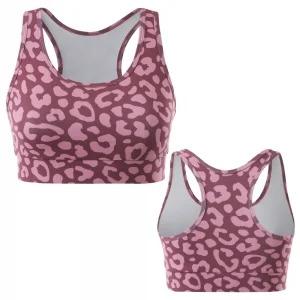
Yoga Wear Manufacturing: Choosing the Right Stretch and Compression Fabric

Yoga wear gets grouped with general gym apparel often enough that the fabric brief tends to default to whatever spec works for training leggings or running gear. That's a mismatch. Yoga is low-impact but demands an unusually wide range of motion held in static positions for extended time — a forward fold, a deep twist, a long-held stretch — which asks something different from fabric than a squat or a sprint does. Treating yoga wear as just another legging category tends to produce a garment that technically fits the spec sheet but doesn't actually perform the way a yoga customer expects.
Stretch and Recovery: Built for Range of Motion, Not Just Tightness
General athletic compression fabric is engineered primarily to apply consistent pressure and resist stretching too far. Yoga fabric needs the opposite emphasis in one important respect — genuine range-of-motion stretch that allows a full, uninhibited fold or twist without the fabric fighting the movement, combined with strong recovery so the garment snaps back to shape rather than sagging or bagging out after being held in a stretched position for several breaths at a time.
This distinction matters most in fabric recovery testing. A fabric that performs fine under a quick, momentary stretch — the kind a squat or a lunge produces — can behave very differently when held in an extended stretch for thirty seconds or longer, which is closer to how yoga fabric actually gets used in practice. Asking a supplier specifically about recovery performance under sustained, held stretch, rather than just quick-motion stretch testing, gets closer to what a yoga garment actually needs to survive.
Fabric Feel: Why "Buttery Soft" Isn't Just Marketing Language
Yoga wear customers respond strongly to hand-feel in a way that's more central to the category than it is for general training apparel, where performance features tend to dominate the buying decision instead. The soft, smooth, almost second-skin feel associated with premium yoga leggings usually comes from a higher spandex or elastane percentage relative to nylon, combined with a finer yarn count than typical training fabric uses — a fabric brief that prioritizes touch and drape alongside stretch performance, not stretch performance alone.
Finish matters here too. A matte finish has become closely associated with yoga-specific positioning, partly aesthetic and partly practical — matte fabric tends to show less visible stretch-whitening at deep fold points than a glossier compression fabric, which matters more in yoga's extreme range-of-motion poses than it does in a shorter, less extreme athletic movement. Recycled nylon (often labeled by trade names like Econyl) has also become a meaningful sourcing consideration specifically within yoga-positioned brands, where sustainability messaging carries real weight with the customer base in a way it doesn't uniformly across every activewear category.
Testing Opacity Through Actual Yoga Positions
Opacity testing for a general training legging typically centers on a squat position, which covers most of what a gym-focused customer will put the fabric through. Yoga positions go further — a deep forward fold, a wide-legged stretch, an inversion — and fabric that passes a standard squat test can still show stretch-whitening or become see-through in a position that stretches the fabric further than a squat does. A leggings manufacturer in Pakistan producing specifically for a yoga line should test across this extended range of positions rather than relying on the same squat-only check used for general athletic leggings, since the actual use case genuinely differs between the two categories.
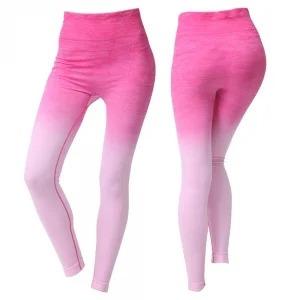
Sports Bras for Yoga: Light Support, Different Construction Priorities
Yoga sports bras generally sit at the lower end of the support spectrum compared to a running or high-impact training bra, since yoga's low-impact movement doesn't demand the same underband tension and structured banding that higher-impact activities require. This shifts the construction priorities meaningfully — wireless, seamless designs with soft, wide straps and minimal hardware are far more common in yoga bras than in high-support training bras, and a racerback or crisscross back is often chosen as much for its appearance during poses like downward dog as for functional support.
A custom sports bra supplier experienced primarily in high-support training or running bras doesn't automatically transfer that expertise cleanly into a soft, wireless yoga bra — the construction goals are different enough that it's worth asking a supplier directly whether they treat light-support yoga bras as a distinct product line with their own pattern and fabric approach, rather than a simplified version of their standard high-support bra.
Yoga Tanks: Drape and Hem Length for Overhead and Inverted Movement
A yoga tank needs to behave predictably through movements a general gym tank rarely encounters in the same way — deep forward folds, overhead reaches, and inversions like downward dog, all of which can cause a poorly cut tank to ride up or gape at the front in a way that becomes obvious mid-pose. A longer hem length or a built-in modesty layer at the lower back is a detail specific to yoga tank construction that addresses exactly this, and it's a design consideration worth specifying rather than assuming a general tank pattern will handle gracefully.
Fabric choice matters here too. A gym tank tops in Pakistan supplier producing for a yoga line should lean toward the same soft, matte, higher-spandex fabric used for yoga leggings rather than the slightly stiffer rib-knit or standard jersey common in general fitness tanks, since a mismatch in fabric feel between a yoga legging and a yoga tank from the same collection is noticeable to a customer buying both.
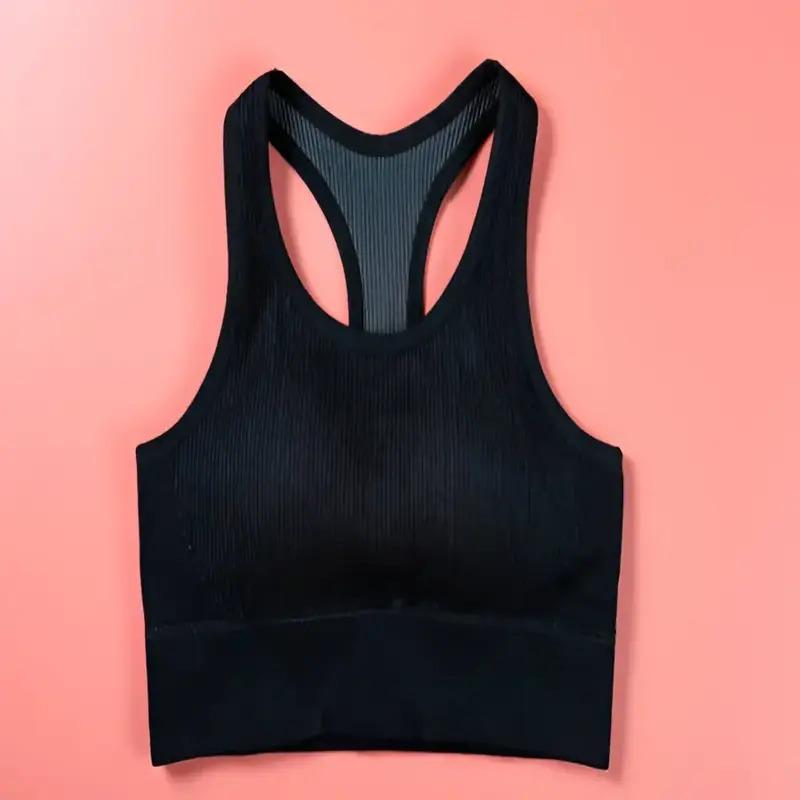
Vetting a Gym Wear Manufacturer for a Yoga-Specific Line
The clearest signal that a gym wear manufacturer understands yoga wear as its own category, rather than a variant of general athletic apparel, is whether they can speak specifically to extended-position opacity testing, offer a genuinely softer fabric option distinct from their standard compression line, and discuss light-support bra construction as a separate skill from high-support training bras. A supplier who answers every question with the same general "stretch and moisture-wicking" language regardless of whether the conversation is about running gear or yoga wear is likely applying one fabric approach across categories that actually demand different priorities.
Treating Yoga as Its Own Technical Brief
The mistake most brands make with yoga wear isn't choosing a bad factory — it's handing a yoga brief to a supplier without making clear that the priorities differ from general athletic wear. Range-of-motion recovery over pure compression, soft hand-feel and matte finish over performance-first fabric, extended-position opacity testing over a single squat check, and light-support bra construction over high-impact banding all shift the spec in ways that matter to how the finished product actually feels and performs in a yoga class, not just how it reads on a technical sheet.


