
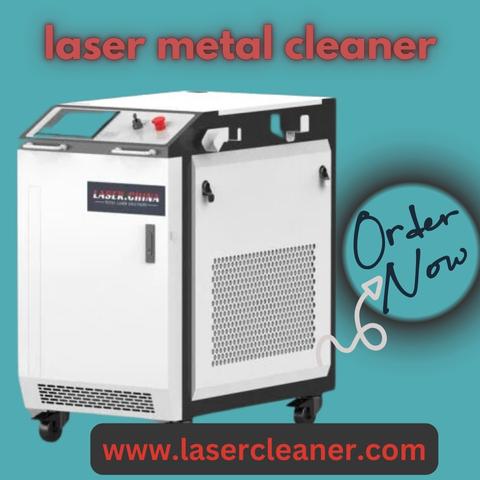
Laser Metal Cleaner: Modern Solutions for Industrial Surface Preparation
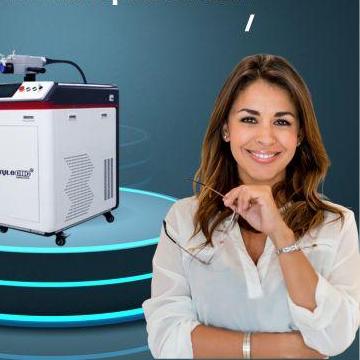
A laser metal cleaner is an advanced industrial tool designed to remove rust, paint, oil, oxidation, and other unwanted contaminants from metal surfaces. Using concentrated laser energy, this equipment cleans materials without relying on abrasive blasting media or large quantities of chemical cleaning agents. It is increasingly used in manufacturing, automotive maintenance, metal fabrication, and industrial restoration.
As industries seek more precise and controlled surface preparation methods, laser cleaning technology offers a modern approach to maintaining metal components and preparing them for further processing.
How Does Laser Metal Cleaning Work?
Laser cleaning uses focused laser metal cleaner pulses or a continuous laser beam to interact with contaminants on a metal surface. The energy helps loosen, vaporize, or detach unwanted layers while allowing operators to control the cleaning process according to the material and contamination type.
Different settings can be adjusted to suit specific applications, including laser power, scanning speed, pulse frequency, and working distance. Proper adjustment is essential to achieve effective cleaning while minimizing unwanted effects on the underlying material.
Depending on the machine configuration, operators can clean small components, large metal structures, and complex industrial parts with varying levels of precision.
Common Applications of Laser Metal Cleaner Equipment
1. Rust Removal from Metal
Rust can weaken metal components and affect their appearance and performance. Laser cleaning equipment can remove rust from steel structures, metal tools, automotive parts, and industrial machinery. It also helps prepare surfaces for painting, coating, or welding.
2. Paint and Coating Removal
Removing old paint and protective coatings is often necessary during maintenance and restoration. Laser technology allows operators to remove selected surface layers when the process parameters are carefully controlled. This is useful for machinery refurbishment, metal fabrication, and industrial equipment maintenance.
3. Surface Preparation Before Welding
Clean metal surfaces are important for consistent welding results. A laser metal cleaner can remove surface contaminants, including oxidation and certain oils, before welding operations. Proper preparation helps reduce contamination-related defects and supports better process consistency.
4. Industrial Mold and Tool Cleaning
Molds, dies, and precision tools can accumulate residue during repeated production cycles. Laser cleaning can help remove unwanted buildup while reducing the need for abrasive contact. The appropriate cleaning settings depend on the tool material, surface finish, and type of residue.
5. Automotive and Manufacturing Maintenance
Automotive workshops and manufacturing facilities use laser cleaning technology for restoring metal parts, cleaning components, and preparing surfaces for subsequent treatments. It can be particularly useful when controlled cleaning is required around detailed or difficult-to-reach areas.
Choosing the Right Laser Metal Cleaner
Selecting suitable equipment starts with identifying the materials and contaminants that need to be removed. Rust, paint, grease, and oxide layers may require different cleaning parameters.
Laser power is an important consideration because it influences cleaning speed and the types of applications a machine can handle. Lower-power systems may suit light cleaning and detailed work, while higher-power equipment may be more appropriate for demanding industrial applications.
Buyers should also consider whether a pulsed or continuous-wave laser is suitable for their intended work. Pulsed systems are often selected for precision cleaning and applications requiring careful heat control. Continuous-wave systems may suit certain heavy-duty cleaning tasks, depending on the material and process requirements.
Other factors include portability, cooling requirements, maintenance support, operator training, safety enclosures, and the availability of replacement components. Before purchasing, request a sample cleaning test using the actual material and contamination found in your application.
Safety and Operating Considerations
Laser cleaning equipment requires appropriate safety precautions. High-powered laser beams can cause serious eye and skin injuries, and reflected laser energy can create additional hazards when working with reflective metals.
Operators should follow the manufacturer's instructions, use wavelength-appropriate laser safety eyewear, establish a controlled work area, and install suitable guarding or enclosures. Proper ventilation and fume extraction are also important because removing paint, coatings, oils, or rust may release hazardous particles and fumes.
Training and a suitable risk assessment should be completed before operating the equipment in an industrial environment.
Why Businesses Are Investing in Laser Cleaning Technology
Manufacturers are increasingly evaluating laser cleaning as part of their surface preparation and maintenance operations. Its ability to target selected contaminants, reduce dependence on consumable abrasives, and support repeatable cleaning procedures makes it an attractive option for a range of industrial environments.
For businesses handling frequent rust removal, coating preparation, or component restoration, a laser metal cleaner can become a valuable part of a modern production workflow. The actual results depend on the machine specifications, surface condition, operator skill, and cleaning parameters.
Final Thoughts
Laser cleaning technology is changing how businesses approach metal surface preparation, restoration, and industrial maintenance. From removing rust and paint to preparing components for welding, the right equipment can support precise and controlled cleaning processes across many industries.
Before investing in a laser metal cleaner, evaluate your materials, cleaning requirements, production volume, and safety arrangements. Comparing machine specifications and requesting application-specific demonstrations can help you identify a suitable solution for your business. With proper selection and operation, laser cleaning can contribute to more efficient and consistent industrial surface treatment.


