
Liposuction in Islamabad: What Is Circumferential Waist Contouring?

A well-defined waist can make a noticeable difference to your overall body shape. However, stubborn fat around the abdomen, flanks, and lower back can sometimes remain despite regular exercise and a balanced diet. This is where circumferential waist contouring may help.
People researching Liposuction in Islamabad often focus on removing belly fat, but waist contouring takes a broader approach. Instead of treating only the front of the abdomen, it addresses fat deposits around the waist to create a more balanced appearance from different angles.
What Is Circumferential Waist Contouring?
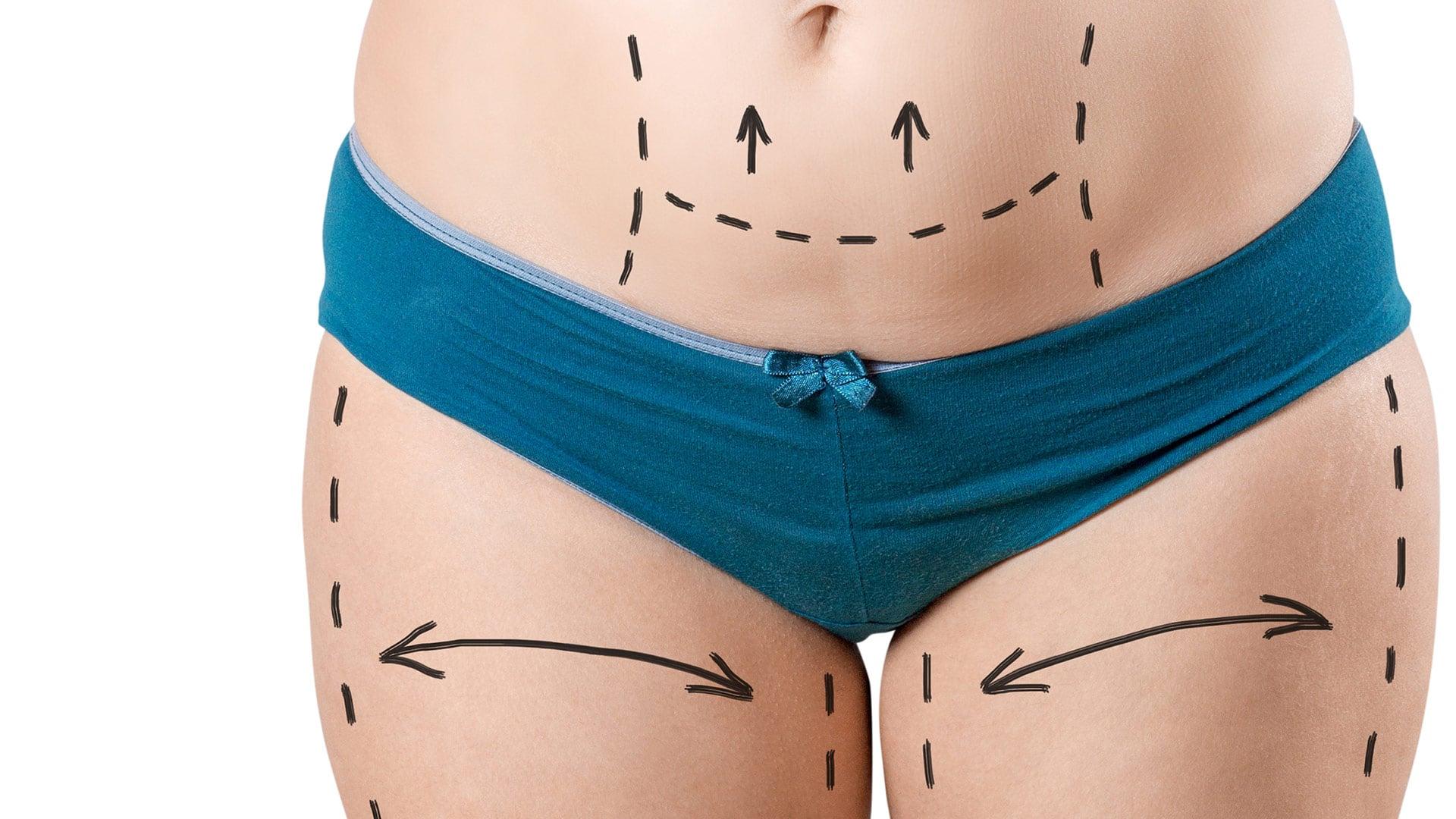
Circumferential waist contouring is a liposuction approach that targets unwanted fat around the midsection, potentially including the abdomen, sides of the waist, and lower back. The aim is to improve the waistline from the front, sides, and back rather than concentrating on one isolated area.
The word circumferential refers to working around the body's circumference. The goal is a smoother, more proportionate waistline, not simply removing as much fat as possible.
Which Areas Can Be Treated?
Fat distribution varies from person to person. Some individuals carry more fat around the stomach, while others notice fullness around their love handles or lower back.
Depending on the patient's anatomy and treatment plan, circumferential contouring may involve:
-
Upper and lower abdomen: Reducing localised fat deposits that create abdominal fullness.
-
Flanks or love handles: Contouring the sides of the waist to create a more defined outline.
-
Lower back: Addressing stubborn fat around the back of the waist.
-
Waistline transition: Creating a smoother connection between the abdomen, sides, and back.
Not every patient needs treatment in all these areas. The surgeon selects the treatment zones according to fat distribution, skin quality, and body proportions.
How Is Circumferential Liposuction Different from Traditional Liposuction?
Traditional liposuction may focus on a single area, such as the abdomen or thighs. Circumferential waist contouring takes a wider approach by considering how fat deposits in different parts of the midsection affect the overall silhouette.
For example, removing abdominal fat alone may not create the desired waist definition if significant fullness remains around the flanks and lower back. Treating suitable areas together can produce a more consistent appearance.
However, more extensive treatment does not automatically mean better results. The surgeon must consider safety, the amount of fat that can reasonably be removed, and the patient's individual needs.
Who Is a Suitable Candidate?
Circumferential waist contouring is generally intended for people who have stubborn, localised fat around their midsection and are looking for body-shape improvement.
It is not designed as a weight-loss procedure or a substitute for healthy lifestyle habits. A suitable candidate should have realistic expectations and understand that results depend on factors such as skin elasticity and body composition.
People who may benefit include those who:
-
Have persistent fat around the abdomen, flanks, or lower back.
-
Are relatively close to their target weight.
-
Have reasonable skin elasticity.
-
Maintain a generally stable weight.
-
Are in suitable health for elective surgery.
-
Understand the recovery process and possible complications.
People with significant loose skin may need a different approach. Liposuction removes fat but does not reliably tighten substantial excess skin.
What Happens During the Procedure?
Before surgery, the surgeon examines the waistline, identifies the areas of unwanted fat, and discusses the expected outcome. Medical history, medications, previous procedures, and general health are also reviewed.
Circumferential liposuction is performed using small incisions through which a thin tube called a cannula is inserted. The cannula helps loosen and remove targeted fat deposits using suction.
The procedure may involve general anaesthesia or another suitable anaesthesia plan, depending on the extent of surgery and the surgeon's assessment. The exact technique, treatment areas, and operating time vary from patient to patient.
Circumferential Waist Contouring vs. Abdominal Liposuction
Although both procedures aim to improve body contours, their treatment areas and overall goals can differ.
|
Feature |
Abdominal Liposuction |
Circumferential Waist Contouring |
|---|---|---|
|
Main focus |
Front of the abdomen |
Multiple areas around the waist |
|
Treatment zones |
Upper and/or lower abdomen |
Abdomen, flanks, and possibly lower back |
|
Contouring approach |
Area-specific |
More comprehensive midsection shaping |
|
Main objective |
Reduce abdominal fullness |
Improve waist definition from different angles |
|
Suitability |
Localised abdominal fat |
Fat distributed around the midsection |
The right option depends on where unwanted fat is located. A consultation helps determine whether a single-area procedure or a broader contouring plan is more appropriate.
What Is Recovery Like After Surgery?
Recovery depends on the extent of liposuction, the number of treated areas, and individual healing. Some swelling, bruising, tenderness, and temporary fluid retention are expected during the initial recovery period.
Patients may be advised to wear a compression garment to support the treated areas and help manage swelling. Walking gently is often encouraged when medically appropriate, while strenuous exercise and heavy lifting should be avoided until the surgeon gives clearance.
Follow-up appointments are important because the surgeon needs to monitor healing and check for complications. Final contours take time to become visible, as swelling gradually settles over the following weeks and months.
What Results Can You Expect?
The purpose of circumferential waist contouring is to reduce selected fat deposits and improve the shape of the midsection. Patients may notice a more defined waist and smoother transitions between the abdomen, sides, and lower back.
However, results are not identical for everyone. Skin elasticity, fat distribution, healing, and the surgeon's technique all influence the final appearance.
Fat cells removed through liposuction do not grow back in the same way, but remaining fat cells can enlarge if a person gains significant weight. Maintaining a stable weight is important for preserving the results.
Risks and Important Safety Considerations
Like other surgical procedures, circumferential liposuction carries potential risks. These may include infection, bleeding, fluid accumulation, changes in skin sensation, uneven contours, scarring, and complications related to anaesthesia.
Treating several areas can make surgical planning more complex. The surgeon must assess the patient's health and determine an appropriate treatment extent rather than focusing only on the desired cosmetic result.
Patients should discuss their medical history, medications, smoking habits, and expectations honestly during consultation. Choosing a qualified, board-certified surgeon and an appropriately equipped surgical facility is essential for patient safety.
Frequently Asked Questions
Is circumferential waist contouring the same as 360-degree liposuction?
The terms are often used to describe similar approaches to treating fat around the midsection. However, the exact areas included can differ according to the surgeon's treatment plan.
Does circumferential liposuction remove belly fat?
Yes, it can include the upper and lower abdomen along with other areas around the waist. The treatment plan depends on where excess fat is located.
Can this procedure give me an hourglass figure?
It may improve waist definition, but the outcome depends on your natural body structure, fat distribution, and skin elasticity. No surgeon can guarantee a particular body shape.
How long do the results last?
Results can be long-lasting when patients maintain a stable weight. Significant weight gain may affect the treated and untreated areas.
Is circumferential waist contouring a weight-loss treatment?
No. It is a body-contouring procedure for localised fat deposits, not a treatment for obesity or a replacement for diet and exercise.
Is Circumferential Waist Contouring Worth Considering?
If stubborn fat around your abdomen, sides, and lower back makes it difficult to achieve your preferred waistline, circumferential contouring may be worth discussing with a qualified surgeon. The best approach depends on your anatomy, health, skin quality, and expectations.
For professional guidance on Liposuction in Islamabad, Dynamic Clinic PK offers experienced aesthetic care, board-certified surgeons, and advanced body-contouring techniques. A personalised consultation can help you understand your options and choose a suitable treatment plan based on your goals and safety.
Meta Description: Learn how circumferential waist contouring with Liposuction in Islamabad targets abdominal, flank, and lower-back fat for improved body definition.


