
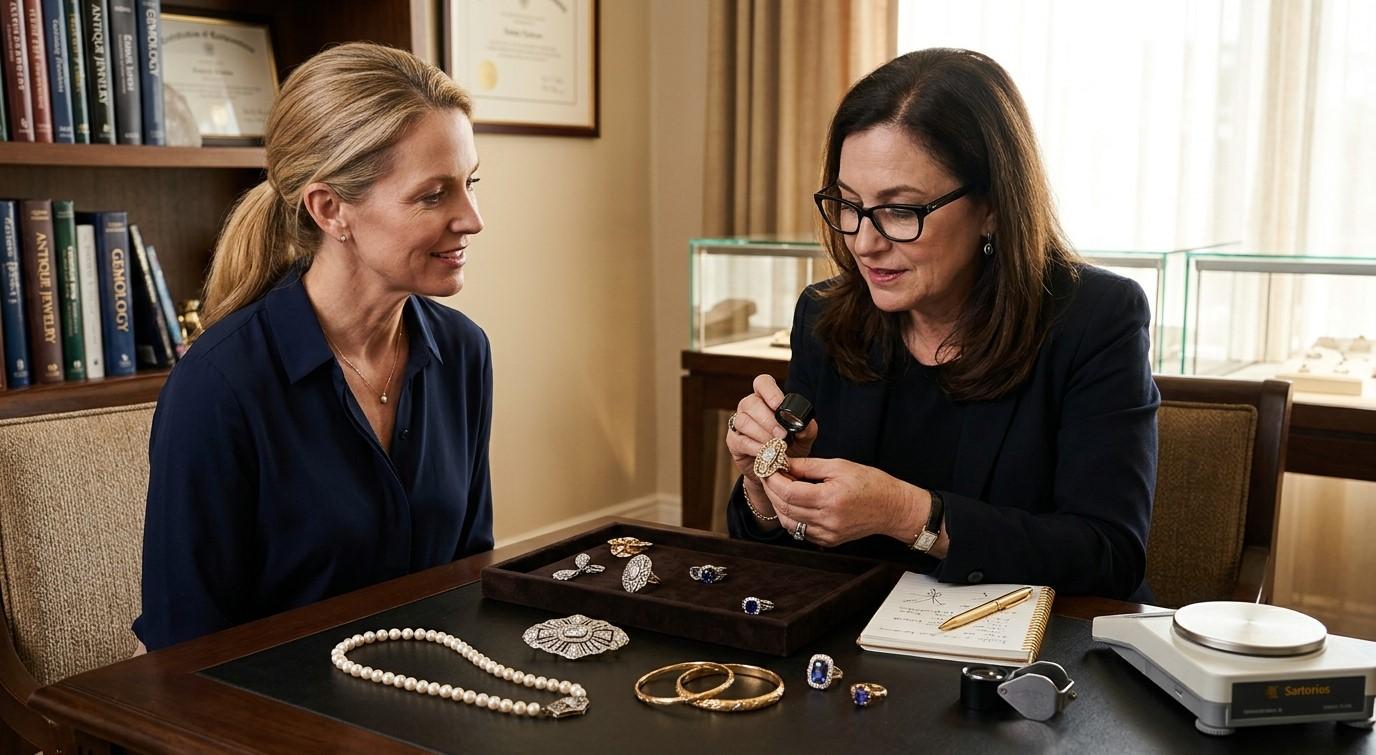

Estate jewelry can include inherited rings, necklaces, bracelets, watches, antique pieces, and other valuable accessories. Whether you have received jewelry from a family member or own pieces you no longer use, understanding their potential value is important before considering a sale. Little Rock Gold & Silver Buyer is a local business to research when exploring precious-metal services. If you are comparing cash for gold Little Rock options, learning how estate jewelry is evaluated can help you make a more informed decision.
Table of Contents
-
What Is Estate Jewelry?
-
Identify the Type of Jewelry You Own
-
Understand What Affects Its Value
-
Gather Documents and Certificates
-
Find a Suitable Jewelry Buyer
-
Compare Offers Before Selling
-
Frequently Asked Questions
-
Conclusion and CTA
1. What Is Estate Jewelry?
Estate jewelry generally refers to previously owned jewelry, including inherited, vintage, antique, and second-hand pieces. It can include gold rings, diamond necklaces, silver bracelets, luxury watches, and family heirlooms.
Not every estate jewelry item is antique or rare. Some pieces may be valued mainly for their precious-metal content, while others may attract additional interest because of their brand, craftsmanship, gemstones, or historical significance.
2. Identify the Type of Jewelry You Own
Before approaching a buyer, organize your jewelry by type. Separate gold, silver, platinum, diamond jewelry, watches, and costume pieces.
Look for markings that indicate metal purity, such as 10K, 14K, 18K, or 925. These markings can provide useful information, although professional testing may be needed to confirm the material.
If you have designer or vintage pieces, record their brand names and any identifying details. Avoid cleaning or modifying potentially collectible items before evaluation.
3. Understand What Affects Its Value
Several factors can influence the potential value of estate jewelry:
-
Metal purity: Gold and silver purity affects the precious-metal content.
-
Weight: The amount of precious metal can influence its base value.
-
Gemstones: Diamonds and other genuine gemstones may add value depending on their quality and characteristics.
-
Brand: Recognized jewelry designers may attract additional resale interest.
-
Condition: Damage, missing stones, and wear can affect desirability.
-
Rarity and age: Certain antique or collectible pieces may have value beyond their metal content.
An insurance appraisal does not necessarily represent the amount a buyer will pay. Resale value depends on market demand and the buyer's evaluation.
4. Gather Documents and Certificates
Before selling, collect any available receipts, gemstone certificates, previous appraisals, original boxes, and brand documentation.
These materials may help identify the jewelry and explain its history or characteristics. However, missing paperwork does not automatically mean an item cannot be evaluated.
Keep inherited jewelry organized and make sure you have the appropriate authority to sell any pieces that belong to an estate or are shared among family members.
5. Find a Suitable Jewelry Buyer
Research businesses that evaluate estate jewelry, gold, silver, diamonds, and other precious-metal items. Check their reputation, contact information, and buying policies.
Little Rock Gold & Silver Buyer lists estate jewelry among the items it purchases. Its published information describes evaluating precious metals through purity testing and weight measurements, while considering stones, brands, and collector value separately.
Choose a buyer who explains the evaluation process and gives you enough information to understand the offer.
6. Compare Offers Before Selling
Do not feel obligated to accept the first offer. If your jewelry includes designer pieces, valuable gemstones, or potentially rare antiques, consider obtaining an appropriate specialist evaluation.
Ask buyers how they calculate their offers, whether stones are assessed separately, and whether any fees or deductions apply.
Comparing itemized offers can help you understand the differences between metal value and potential resale or collectible value.
Frequently Asked Questions
Is inherited jewelry considered estate jewelry?
Yes. Previously owned jewelry passed down through family members is commonly considered estate jewelry.
Is old estate jewelry always valuable?
No. Its value depends on metal content, gemstones, brand, condition, rarity, and buyer demand. Age alone does not guarantee a high resale price.
Can broken estate jewelry be sold?
Yes. Some buyers purchase damaged jewelry based on its precious-metal content, although damage may affect its resale or collectible value.
Should I get an appraisal before selling estate jewelry?
An appraisal can help identify an item's characteristics and potential value. For unusual or collectible pieces, a qualified specialist may provide useful additional insight.
Where can I sell estate jewelry in Little Rock?
Research local jewelry and precious-metal buyers, compare their evaluation processes, and ask whether they accept inherited, antique, and second-hand pieces.
Conclusion
Selling estate jewelry involves more than checking its gold or silver content. Metal purity, weight, gemstones, brand, condition, rarity, and collector demand can all influence its potential value. Organizing your pieces, gathering available documents, and comparing evaluations can help you make a more informed decision.
If you are exploring cash for gold Little Rock services, Little Rock Gold & Silver Buyer is one local business to research for estate jewelry and precious-metal evaluations. Take time to understand your items and compare suitable offers before deciding to sell.
Call to Action
Have inherited, antique, or unwanted jewelry you would like evaluated? Visit https://littlerockgoldandsilverbuyer.com/ to learn more about Little Rock Gold & Silver Buyer and its precious-metal services. Review the available information, ask questions about the evaluation process, and visit Little Rock Gold and Silver Buyer online to explore your options.


