
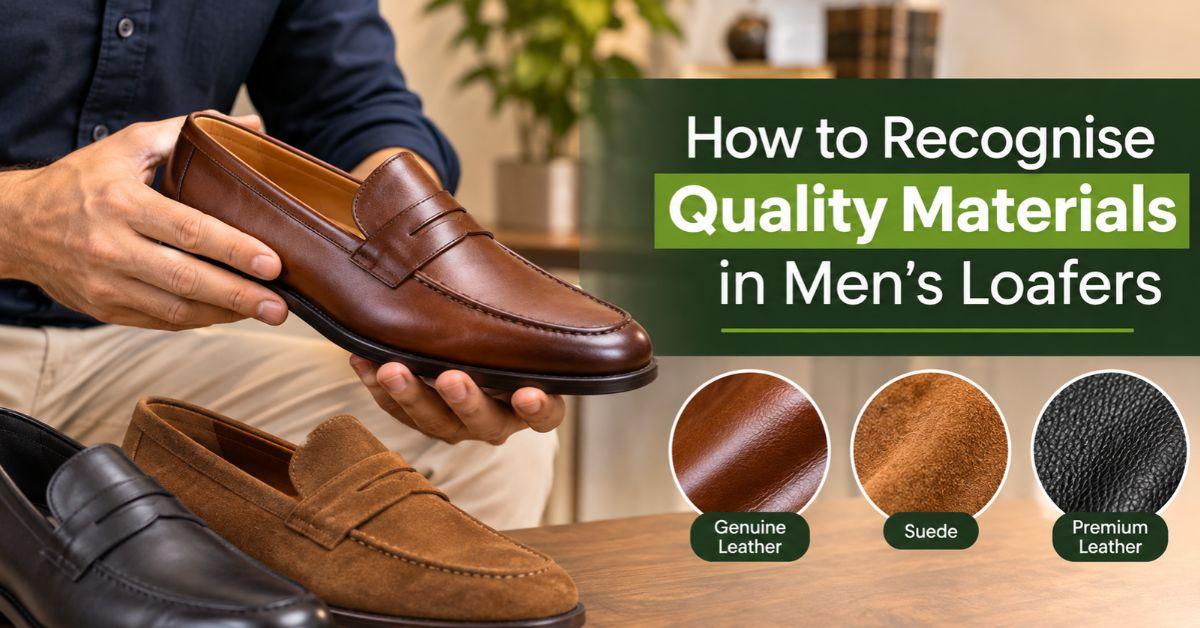
How to Recognise Quality Materials in Men's Loafers

Choosing the right footwear involves more than selecting an attractive design, especially when investing in Premium Loafers for Men for regular use. The materials used in a pair of loafers influence their comfort, durability, appearance, and overall performance. From the quality of the leather to the construction of the sole, every detail contributes to how well the shoes serve you over time. Understanding these material differences can help men make informed purchasing decisions and find footwear that suits both their personal style and everyday requirements.
1. Examine the Quality of the Leather
Leather is one of the most important materials to consider when buying men's loafers. Genuine leather is valued for its natural texture, flexibility, and ability to develop character with regular use. However, not all leather materials offer the same level of quality.
Look closely at the surface before making a purchase. Good-quality leather generally has a natural grain pattern rather than an overly uniform, plastic-like appearance. It should also feel reasonably soft and flexible without appearing thin or fragile. When gently pressed, quality leather may show small natural creases instead of permanent cracks.
Full-grain and top-grain leather are commonly preferred for their appearance and durability. Full-grain leather retains its natural outer surface, while top-grain leather is lightly processed to create a more consistent finish. Both can be suitable choices depending on the desired appearance and maintenance requirements.
2. Check the Inner Lining and Insole Materials
The materials inside a loafer are just as important as the exterior. Since footwear remains in direct contact with your feet for extended periods, the inner lining should feel comfortable and allow a suitable level of breathability.
Leather linings are often appreciated because they can adapt to the foot over time and provide a smooth interior finish. Some designs also use breathable textile materials that offer practical comfort. Whichever material you choose, check that the lining feels soft and does not have rough edges or uneven stitching.
The insole deserves equal attention. A well-made insole should provide adequate cushioning and support for regular walking. Some loafers feature padded insoles that help reduce pressure during extended wear. Removable insoles can also be useful for people who prefer additional flexibility when choosing foot support.
3. Understand the Importance of Sole Materials
The sole plays an important role in determining the durability, flexibility, and grip of men's loafers. Different materials offer different advantages, so the right choice depends on where and how frequently you plan to wear the footwear.
Leather soles are commonly associated with traditional formal footwear. They provide a refined appearance and can gradually adapt to walking patterns. However, they may require additional care and can be slippery on certain smooth surfaces.
Rubber soles are often selected for their practical grip, flexibility, and resistance to everyday wear. They can be particularly useful for people who walk frequently or prefer loafers for casual and smart-casual occasions.
Some modern designs combine different sole materials to balance appearance and functionality. Check the sole thickness, flexibility, and finishing before purchasing. A properly attached sole with neat edges is generally a positive sign of careful manufacturing.
4. Inspect the Stitching and Overall Construction
Even high-quality materials cannot deliver good results if the shoes are poorly constructed. Stitching and finishing provide useful clues about the attention given to manufacturing.
Examine the stitching around the upper section, heel, and sole. The stitches should appear consistent, evenly spaced, and firmly secured. Loose threads, uneven seams, and visible gaps may indicate poor finishing.
Also, inspect how the upper material connects with the sole. Depending on the construction method, loafers may use stitched, cemented, or combination techniques. Each method has different characteristics, and a well-executed construction can contribute to the shoe's overall performance.
Pay attention to the heel counter as well. This is the section that supports the back of the foot. It should maintain its shape without feeling excessively rigid or collapsing easily. A properly finished heel helps the loafer retain its structure during regular use.
5. Evaluate Comfort, Flexibility, and Fit
Material quality should always be considered alongside comfort. Even an attractive pair of loafers may become difficult to wear if the fit is incorrect or the materials feel uncomfortable.
When trying on loafers, check whether your toes have enough room to move naturally. The heel should remain reasonably secure without excessive slipping. Since loafers generally do not have laces for adjustment, selecting the correct size is particularly important.
Gently bend the front section of the shoe to understand its flexibility. It should allow natural movement without feeling excessively soft or stiff. The upper material should also adapt comfortably around the foot without creating unnecessary pressure.
Consider the weight of the footwear, too. Lightweight designs may feel more convenient for everyday activities, while structured options can provide a more traditional appearance. The ideal balance depends on your walking habits and preferred styling.
6. Look Beyond Appearance and Consider Maintenance
A quality pair of loafers should remain presentable with appropriate care. Before purchasing, understand the maintenance requirements associated with the material.
Leather footwear generally benefits from regular cleaning, conditioning, and proper storage. Using a suitable leather conditioner can help maintain softness and reduce the chances of the material becoming excessively dry. Suede loafers require different care, including a suede brush and appropriate protective products.
Avoid leaving leather footwear in damp environments or exposing it to excessive direct sunlight. Using shoe trees can help preserve their shape when they are not being worn. Rotating between different pairs also gives footwear sufficient time to air out between uses.
Pay attention to the colour and finish as well. Dark brown, black, and tan are versatile choices that can complement several wardrobe combinations. Selecting a shade that suits your existing clothing can make the purchase more practical.
Conclusion
Recognising quality materials in men's loafers requires attention to leather, lining, soles, stitching, construction, and fit rather than appearance alone. By examining these details carefully, you can choose footwear that offers a suitable combination of comfort, durability, and style. A thoughtful purchase of Luxury Loafers for Men can become a valuable addition to your wardrobe when material quality and proper craftsmanship remain your priorities.


