
Can Deep-Set Eyes Change the Planning of Eyelid Surgery?

Not every eye shape responds to cosmetic surgery in the same way. Some people naturally have eyes that sit further back within the eye sockets, creating a more noticeable brow bone and a deeper upper eyelid crease. This feature is known as deep-set eyes, and it can influence how surgeons plan Eyelid Surgery in Islamabad, particularly when the goal is to create a refreshed appearance without losing natural facial proportions.
Deep-set eyes are not a medical problem by themselves. However, their underlying structure can affect how much skin or fat should be adjusted during eyelid surgery. A careful assessment helps the surgeon choose an approach that complements the patient's natural eye shape.
What Are Deep-Set Eyes?
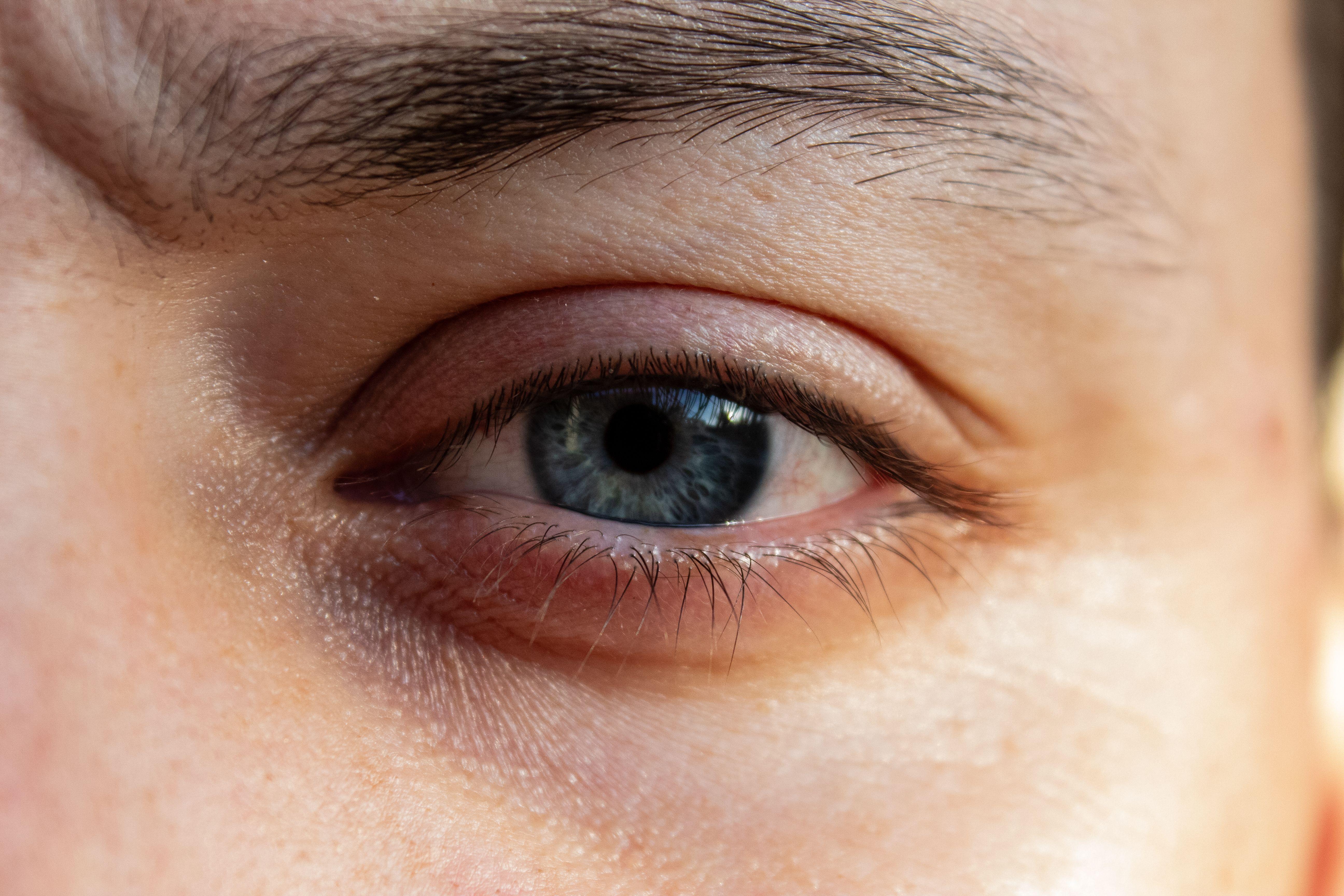
Deep-set eyes are eyes that appear positioned further back within the eye sockets. They often create a more prominent brow bone and a deeper-looking area between the eyebrows and upper eyelids.
Some people are naturally born with this eye shape because of their facial bone structure. Genetics and the distribution of soft tissue around the eyes play an important role in determining how deep-set the eyes appear.
Deep-set eyes can also look more hollow as a person gets older. Changes in facial fat and skin elasticity may make the upper eyelid area appear more sunken over time.
Deep-set eyes are mainly a feature of natural facial anatomy, not necessarily a sign of ageing or a condition that needs correction.
Can Deep-Set Eyes Affect Eyelid Surgery Planning?
Yes. Deep-set eyes can influence the surgical approach because the surgeon must consider the relationship between the eyelids, brow bone, orbital structure, and surrounding soft tissue.
For example, removing too much skin or fat from an already deep upper eyelid may make the eyes look more hollow. This can create an appearance that feels less balanced rather than more refreshed.
The surgeon therefore needs to understand whether the patient's concern comes from excess skin, naturally deep-set anatomy, reduced volume, or a combination of factors.
The objective is not to change the natural eye shape completely. It is to improve the eyelid appearance while preserving the features that make the face look balanced.
Why Is Upper Eyelid Anatomy Important?
The upper eyelid contains delicate skin, muscle, connective tissue, and fat. These structures work together to protect the eye, support eyelid movement, and create the natural upper eyelid contour.
In people with deep-set eyes, the space between the brow bone and eyelid may already appear pronounced. If excess skin is present, upper blepharoplasty may help create a cleaner eyelid contour.
However, the surgeon must avoid removing more tissue than necessary. Preserving enough natural volume is particularly important when the upper eyelid already looks hollow or deeply creased.
The surgeon also considers the position of the eyelid crease. Creating an excessively high or prominent crease may not suit every deep-set eye shape.
Does Deep-Set Anatomy Change Fat Removal?
It can make fat management especially important. Some patients with deep-set eyes have naturally less fullness around the upper eyelids, while others have pockets of protruding fat despite having a deep-set eye structure.
These situations require different approaches. Removing visible fat may be appropriate in selected patients, but aggressive fat removal can worsen a hollow appearance.
In certain cases, preserving existing fat or considering volume restoration may be more suitable than removing additional tissue. The surgeon must assess the actual distribution of fat rather than assuming that every prominent eyelid needs fat removal.
A natural-looking result depends on balancing skin removal with tissue preservation. More removal does not automatically mean a better outcome.
How Are Deep-Set Eyes Assessed Before Surgery?
A detailed examination helps determine how deep-set anatomy may affect the procedure. The surgeon evaluates the eyes from different angles and considers the patient's natural facial proportions.
The assessment may include:
-
Brow position: The surgeon checks whether the brow bone is prominent or the eyebrows have descended.
-
Upper eyelid skin: The amount of loose or excess skin is assessed to determine whether removal is necessary.
-
Fat distribution: The surgeon examines whether the eyelids have excess fat, reduced volume, or a naturally hollow contour.
-
Eyelid crease: The existing crease is evaluated to help preserve a suitable, natural-looking shape.
-
Eyelid movement: The surgeon checks whether the eyelids open and close properly and looks for signs of ptosis.
-
Eye health: A history of dry eyes, previous eye procedures, and other relevant conditions is reviewed.
This assessment helps distinguish natural deep-set anatomy from problems that may require separate treatment. It also supports realistic expectations before surgery.
Can Upper Eyelid Surgery Improve Deep-Set Eyes?
Upper blepharoplasty can improve certain concerns associated with deep-set eyes, particularly when loose skin makes the upper eyelids appear heavy. The surgeon removes carefully selected excess skin while maintaining enough tissue for comfortable eyelid closure.
However, surgery does not necessarily make naturally deep-set eyes appear less deep. If the main concern is a hollow upper eyelid rather than excess skin, removing tissue may not be the right solution.
Some patients may benefit from a different approach, depending on their anatomy and goals. The treatment plan should focus on the specific concern instead of treating deep-set eyes as a defect.
What About Lower Eyelid Surgery?
Deep-set anatomy can also influence lower blepharoplasty planning. The surgeon evaluates the lower eyelid, under-eye fat, skin quality, and the transition between the lower eyelid and cheek.
Some patients have puffiness beneath the eyes, while others have a hollow groove that creates shadows. These concerns may look similar in photographs but can require different treatments.
Removing too much lower eyelid fat can make an existing hollow appearance more noticeable. In selected cases, fat repositioning or other volume-related approaches may be discussed, depending on the patient's anatomy.
Lower eyelid surgery should preserve a smooth transition between the eyelid and cheek, rather than simply removing every visible fat pocket.
Are Deep-Set Eyes Suitable for Blepharoplasty?
Having deep-set eyes does not automatically prevent someone from having eyelid surgery. Suitability depends on skin excess, eyelid function, tissue volume, overall eye health, and the patient's expectations.
A person with deep-set eyes and significant upper eyelid skin excess may be a suitable candidate for carefully planned surgery. Someone with naturally hollow eyelids and very little excess skin may need a different recommendation.
Patients should discuss any dry eye symptoms, difficulty closing their eyes, previous eyelid surgery, or existing vision concerns during consultation.
The safest procedure is the one that addresses a genuine concern without unnecessarily changing healthy anatomy.
Recovery and Possible Risks
Recovery depends on the type and extent of eyelid surgery. Temporary swelling, bruising, tightness, and mild discomfort are common during the early healing period.
Patients are generally advised to follow their surgeon's instructions, avoid rubbing the eyes, and limit strenuous activities until they receive medical clearance. Follow-up appointments help monitor healing and identify any concerns.
Potential risks include infection, bleeding, scarring, asymmetry, dry eyes, changes in sensation, and difficulty closing the eyelids if too much skin is removed. Deep-set anatomy makes careful planning important, but it does not mean complications are inevitable.
Realistic expectations and an individualised surgical approach are essential for a satisfactory result.
Choosing the Right Approach for Eyelid Surgery in Islamabad
Selecting an experienced surgeon is important when eyelid anatomy requires particular attention. Patients should ask how their natural eye shape will influence skin removal, fat preservation, and the placement of the eyelid crease.
Before proceeding, discuss the expected changes, possible limitations, recovery, and risks. Reviewing suitable before-and-after photographs may also help patients understand the results that can realistically be achieved.
For patients considering Eyelid Surgery in Islamabad, the priority should be a treatment plan that respects natural facial anatomy and protects normal eyelid function.
Final Thoughts
Deep-set eyes can influence eyelid surgery planning because the surgeon must carefully manage skin removal, fat distribution, and the natural eyelid crease. A conservative, personalised approach may help improve excess skin or puffiness without making the eyes look unnecessarily hollow. A proper examination is the best way to determine which technique is suitable.
For patients considering Eyelid Surgery in Islamabad, Dynamic Clinic PK offers personalised guidance focused on eyelid anatomy, surgical precision, and natural-looking results. Its expertise, board-certified surgeons, and advanced techniques help patients explore suitable treatment options while maintaining attention to eye function and facial proportions.


