

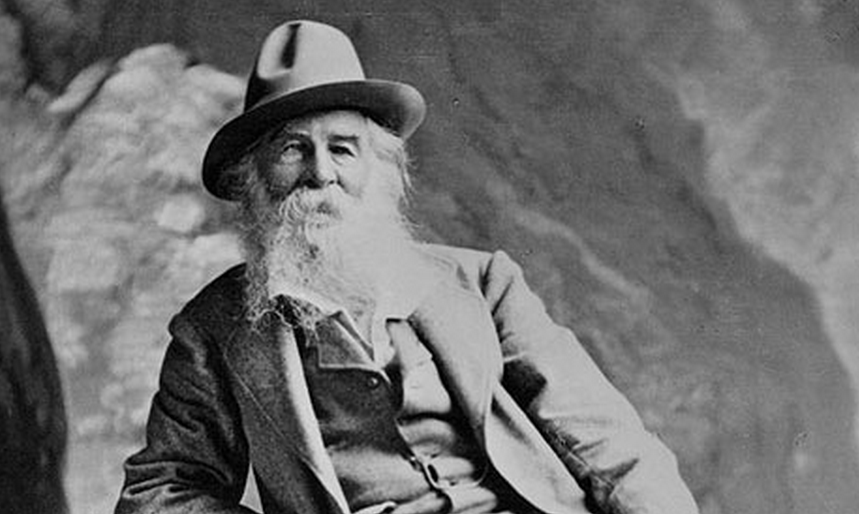
How Does Walt Whitman’s Poetry Reflect the Civil War?

Walt Whitman’s poetry occupies a singular place in American literary history, not only for its revolutionary form and expansive vision of democracy but also for its profound engagement with the American Civil War. The war marked a turning point in Whitman’s life and work, transforming his poetic voice from one of boundless optimism into a more complex blend of hope, grief, compassion, and moral reckoning. Through his poems, Whitman did not merely document historical events; he translated the emotional, physical, and spiritual realities of the Civil War into language that continues to resonate. By examining his major works, particularly those written during and after the conflict, it becomes clear that Walt Whitman used poetry as a means to confront national trauma, honor human suffering, and redefine the meaning of American unity.
The Civil War as a Personal and National Crisis
The American Civil War was not an abstract political struggle for Whitman. It was an immediate, personal crisis that reshaped his understanding of the nation and humanity itself. When the war broke out in 1861, Whitman initially responded with patriotic fervor, seeing the conflict as a necessary test of the democratic experiment. However, this idealism was soon tempered by direct exposure to the war’s human cost.
Whitman traveled to Washington, D.C., after learning that his brother had been wounded. Although his brother’s injuries were not severe, Whitman remained in the capital, where he volunteered as a nurse in military hospitals. This experience brought him face to face with wounded and dying soldiers on a daily basis. The sights, sounds, and emotional weight of these encounters deeply influenced his poetry.
Poetry Shaped by Witness
Unlike many poets who wrote about war from a distance, Walt Whitman wrote as a witness. His poems reflect the immediacy of lived experience, capturing the physical reality of mangled bodies, the quiet dignity of suffering soldiers, and the emotional bonds formed between caregiver and patient. This direct engagement gave his Civil War poetry an authenticity and emotional depth that set it apart from conventional patriotic verse.
Whitman’s role as a caregiver also shaped his ethical perspective. He did not distinguish sharply between Union and Confederate soldiers in his compassion. Instead, his poetry emphasizes shared humanity, suggesting that the war’s greatest tragedy was not political division but human suffering.
Drum-Taps and the Poetics of War
Whitman’s most significant body of Civil War poetry appears in the collection Drum-Taps, first published in 1865. This sequence of poems traces the arc of the war from initial excitement to profound sorrow, reflecting Whitman’s evolving emotional and moral response.
From Martial Enthusiasm to Sobering Reality
Early poems in Drum-Taps convey the energy and urgency of mobilization. Drums, marching feet, and calls to arms dominate the imagery, capturing the collective momentum of a nation entering conflict. These poems echo Whitman’s early belief that the war might ultimately strengthen democracy.
As the collection progresses, however, the tone shifts dramatically. The rhythms slow, the imagery darkens, and attention turns inward. Whitman moves away from abstract ideals toward individual experiences of pain and loss. This structural movement mirrors his own journey from hopeful patriot to somber witness.
The Ordinary Soldier at the Center
One of the defining features of Whitman’s Civil War poetry is his focus on ordinary soldiers rather than generals or political leaders. Poems such as “The Wound-Dresser” foreground the intimate, often overlooked moments of care and vulnerability within the war.
In these poems, heroism is redefined. It is not found in battlefield glory but in endurance, tenderness, and quiet courage. By centering the voices and bodies of common soldiers, Walt Whitman democratizes the experience of war, aligning his poetic practice with his broader democratic ideals.
Compassion as a Poetic and Moral Response
The Ethics of Care in Whitman’s War Poetry
Whitman’s hospital service profoundly shaped his poetic ethics. His poems reflect an insistence on presence and attention, on bearing witness without turning away. This ethical stance is evident in his detailed descriptions of wounds, suffering, and death.
Rather than sanitizing war, Whitman confronts its brutality directly. Yet his poems are not nihilistic. They are infused with compassion, suggesting that even amid devastation, acts of care affirm human dignity. This emphasis on caregiving reflects Whitman’s belief that love and empathy are central to national healing.
Love Beyond Division
A striking aspect of Whitman’s Civil War poetry is its inclusivity. He writes with equal tenderness about soldiers from both sides of the conflict. This refusal to demonize the enemy challenges simplistic narratives of good versus evil.
In doing so, Walt Whitman positions love as a force capable of transcending political division. His poetry imagines a future in which reconciliation is possible, grounded not in victory alone but in shared mourning and mutual recognition.
Death, Mourning, and National Loss
Individual Death as Collective Trauma
Death is omnipresent in Whitman’s Civil War poetry. Yet he does not treat death as an abstract statistic. Each loss is rendered personal, intimate, and meaningful. Through this approach, individual deaths become symbols of national trauma.
Whitman’s poems suggest that the nation itself must grieve in order to heal. Mourning becomes a collective responsibility, one that acknowledges the cost of war honestly rather than masking it with triumphalist rhetoric.
Elegy and the Figure of Lincoln
The assassination of Abraham Lincoln profoundly affected Whitman, who saw the president as a symbolic embodiment of the Union. In poems such as “When Lilacs Last in the Dooryard Bloom’d,” Whitman crafts one of the most powerful elegies in American literature.
This poem intertwines personal grief with national mourning, using natural imagery and musical structure to process loss. Lincoln’s death becomes a focal point for the broader sorrow of the war, allowing Whitman to explore themes of death, renewal, and spiritual continuity.
Reimagining American Identity Through War
Democracy Tested by Violence
The Civil War forced Whitman to reconsider the nature of American democracy. His poetry reflects an understanding that democracy is fragile, requiring sacrifice and constant renewal.
Rather than abandoning his democratic ideals, Whitman deepened them. The war revealed both the potential and the peril of collective identity. His poems grapple with this tension, acknowledging the failures that led to conflict while affirming the possibility of a more just future.
Poetry as National Memory
Whitman understood poetry as a form of cultural memory. His Civil War poems are not merely personal expressions but attempts to shape how the nation remembers its past. By preserving moments of suffering, compassion, and moral struggle, he sought to prevent historical amnesia.
This memorial function gives his work enduring relevance. The poems invite readers to engage with history emotionally as well as intellectually, fostering empathy across time.
Stylistic Choices and Civil War Themes
Free Verse and Emotional Realism
Whitman’s use of free verse was particularly suited to his Civil War subject matter. The absence of rigid rhyme and meter allows his lines to expand and contract with emotional intensity.
This flexibility mirrors the unpredictability of war itself. Long, flowing lines convey overwhelming experience, while shorter, restrained passages reflect moments of quiet grief. Style and content work together to create emotional realism.
The Body as a Site of Meaning
The human body occupies a central place in Whitman’s war poetry. Wounded bodies, dying bodies, and bodies engaged in acts of care become sites where larger meanings are inscribed.
By focusing on the body, Walt Whitman grounds abstract concepts such as sacrifice and unity in physical reality. This emphasis reinforces his belief that democracy is lived through embodied experience, not merely articulated through ideals.
Conclusion: Walt Whitman and the Civil War’s Enduring Echo
Walt Whitman’s poetry reflects the Civil War not as a distant historical episode but as a lived, ongoing moral challenge. Through his role as witness, caregiver, and poet, he transformed personal experience into a powerful literary response to national crisis. His poems capture the war’s emotional complexity, balancing sorrow with compassion, and despair with a stubborn belief in human connection.
By focusing on ordinary soldiers, redefining heroism, and embracing a broad ethic of love, Whitman offered a vision of America capable of growth through suffering. His Civil War poetry continues to speak to readers because it does not offer easy answers. Instead, it insists on remembrance, empathy, and the hard work of reconciliation.
In reflecting the Civil War, Walt Whitman also reshaped American poetry, demonstrating how literature can respond to trauma with honesty and hope. His work stands as a testament to the power of poetry to confront history, honor humanity, and imagine a more unified future.


