

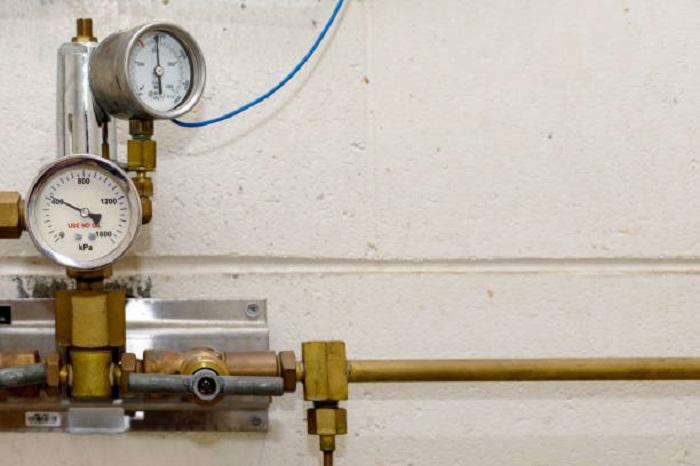
What Maintenance Keeps an Oxygen Flow Meter Working Reliably Long-Term?

An Oxygen Flow Meter is a critical instrument in medical, laboratory, and industrial environments where precise oxygen delivery is essential. Its role in regulating and indicating oxygen flow rates directly affects patient safety, process efficiency, and operational reliability. Because oxygen is a highly reactive gas and because flow meters often operate continuously or under demanding conditions, long-term reliability depends heavily on disciplined maintenance practices. Proper care extends service life, preserves accuracy, and reduces the risk of failure or contamination.
Long-term maintenance of an Oxygen Flow Meter is not limited to occasional inspection. It involves a systematic approach that considers cleanliness, calibration, material integrity, environmental exposure, and user handling. Understanding how these factors interact allows operators and technicians to maintain dependable performance over many years.
Understanding the Function of an Oxygen Flow Meter
Before examining maintenance practices, it is important to understand how an Oxygen Flow Meter operates and why specific care requirements exist.
Operating Principles and Sensitivity
Most oxygen flow meters operate using variable area measurement principles, such as rotameter-style designs, or through pressure-compensated mechanisms. These devices rely on unobstructed gas flow and precise internal geometry to display accurate readings.
Because oxygen flow meters are sensitive to contamination, even small amounts of oil, dust, or moisture can interfere with performance. This sensitivity makes preventive maintenance especially important for long-term reliability.
Safety Considerations Unique to Oxygen
Oxygen accelerates combustion and reacts readily with hydrocarbons. Materials and residues that might be harmless in other flow meters can pose serious risks in oxygen service. Maintenance practices must therefore prioritize cleanliness and compatibility to prevent hazardous conditions.
Preventive Maintenance as the Foundation of Reliability
Preventive maintenance is the most effective strategy for keeping an Oxygen Flow Meter functioning accurately and safely over time. Rather than responding to failures, preventive care addresses potential issues before they affect performance.
Routine Inspection and Visual Assessment
Regular inspection is the first line of defense against degradation.
Checking for Physical Damage
External components such as the flow tube, housing, and fittings should be examined for cracks, discoloration, or deformation. Physical damage can compromise accuracy or lead to leaks, especially under pressure.
Transparent flow tubes should remain clear and free from clouding. Any change in appearance may indicate chemical exposure or aging material, both of which warrant further evaluation.
Verifying Smooth Mechanical Movement
In variable area meters, the float must move freely within the tube. Sticky or irregular movement suggests contamination or wear. Detecting this early allows corrective cleaning or part replacement before complete failure occurs.
Cleaning Practices for Oxygen Compatibility
Cleanliness is one of the most critical aspects of Oxygen Flow Meter maintenance.
Oxygen-Safe Cleaning Procedures
Cleaning must remove contaminants without introducing residues that could react with oxygen. Approved solvents and methods specifically designed for oxygen service should be used. Components must be thoroughly dried to eliminate moisture, which can affect readings and promote corrosion.
Improper cleaning agents, particularly those containing oils or organic compounds, can create hazardous conditions. Maintenance protocols must strictly follow oxygen service standards.
Preventing Contamination During Handling
Even after proper cleaning, careless handling can reintroduce contaminants. Gloves free from oils and powders should be used when handling internal components. Work surfaces must be clean, and tools dedicated to oxygen service should be employed.
These precautions preserve the cleanliness achieved during maintenance and support long-term reliability.
Calibration and Accuracy Maintenance
Accuracy is a defining requirement for any Oxygen Flow Meter, especially in medical applications.
Scheduled Calibration Intervals
Over time, mechanical wear and material changes can alter flow characteristics. Regular calibration against a traceable standard ensures the meter continues to indicate correct flow rates.
Calibration intervals depend on usage intensity, environmental conditions, and regulatory requirements. Consistent scheduling prevents drift from going unnoticed.
Recognizing Signs of Calibration Drift
Inconsistent readings, difficulty achieving stable flow, or discrepancies between multiple meters may indicate calibration drift. Addressing these signs promptly prevents long-term accuracy degradation.
Calibration is not only a performance issue but also a safety measure, particularly when precise oxygen dosing is required.
Material Integrity and Component Replacement
Materials used in Oxygen Flow Meters are selected for compatibility and durability, but they are not immune to aging.
Monitoring Seals and O-Rings
Seals and O-rings are critical for leak prevention. Exposure to oxygen, pressure cycling, and temperature changes can cause these components to harden or crack over time.
Periodic replacement of seals using oxygen-compatible materials helps maintain leak-free operation and prevents contamination ingress.
Flow Tube and Float Wear
The flow tube and float experience continuous exposure to gas flow. Over long periods, erosion or surface changes may occur, particularly in high-use environments. Replacing worn components restores original performance characteristics.
Ignoring material wear can lead to inaccurate readings and increased maintenance costs later.
Environmental Factors and Storage Conditions
The operating and storage environment plays a significant role in long-term reliability.
Temperature and Humidity Control
Extreme temperatures can affect material properties and flow characteristics. High humidity may introduce moisture into the system, while excessive dryness can accelerate material aging.
Maintaining controlled environmental conditions during operation and storage helps preserve meter integrity and accuracy.
Protection from Mechanical Stress
Flow meters should be mounted securely to prevent vibration or impact. Mechanical stress can misalign internal components or damage delicate parts, reducing service life.
Proper installation and protective enclosures contribute to consistent performance.
User Handling and Operational Practices
Even a well-maintained Oxygen Flow Meter can suffer premature failure if handled improperly.
Training and Awareness
Operators should be trained to adjust flow rates gently and avoid forcing controls beyond their intended range. Awareness of oxygen safety principles reduces the risk of contamination and mechanical damage.
Training reinforces the importance of reporting unusual behavior promptly, allowing maintenance teams to intervene early.
Avoiding Unauthorized Modifications
Modifying or repairing an Oxygen Flow Meter without proper authorization or expertise can compromise safety and accuracy. Only qualified personnel using approved parts should perform maintenance or adjustments.
This discipline preserves design integrity and regulatory compliance.
Documentation and Maintenance Records
Accurate documentation supports long-term reliability.
Tracking Maintenance History
Records of cleaning, calibration, inspections, and component replacement provide insight into wear patterns and performance trends. This information helps optimize maintenance schedules and anticipate future needs.
Supporting Compliance and Quality Assurance
In regulated environments, maintenance documentation is often mandatory. Complete records demonstrate adherence to safety standards and support audits or inspections.
Long-Term Reliability Through Integrated Care
Maintaining an Oxygen Flow Meter is not a single task but an integrated process combining inspection, cleaning, calibration, and responsible operation.
Balancing Preventive and Corrective Actions
Preventive maintenance reduces the frequency of corrective repairs, lowering downtime and extending service life. When corrective action is necessary, addressing root causes prevents recurrence.
Adapting Maintenance to Application Demands
Different applications place different stresses on an Oxygen Flow Meter. Medical use prioritizes precision and hygiene, while industrial use may emphasize durability. Maintenance strategies should reflect these demands while adhering to oxygen safety principles.
Conclusion
Long-term reliability of an Oxygen Flow Meter depends on a comprehensive maintenance approach that addresses cleanliness, accuracy, material integrity, and user behavior. Preventive maintenance forms the foundation, supported by regular inspection, oxygen-safe cleaning, scheduled calibration, and timely component replacement.
By controlling environmental conditions, ensuring proper handling, and maintaining detailed records, operators can significantly extend the service life of an Oxygen Flow Meter while preserving safety and performance. Reliable oxygen flow measurement is not achieved through occasional attention but through consistent, disciplined maintenance practices that respect the unique demands of oxygen service.


