
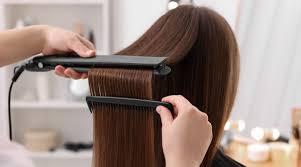
Understanding the Role of Heat in Modern Hair Styling

Heat has become an essential part of modern hair styling, shaping how people dry, smooth, curl, and define their hair on a daily basis. While heat styling often gets a negative reputation, the reality is more nuanced. When used correctly, heat can enhance manageability, reduce styling time, and help achieve polished results that would be difficult to replicate otherwise. Understanding how heat works—and how it interacts with hair structure—is key to using it safely and effectively.
The Science of Heat and Hair
Hair is primarily made of keratin, a protein held together by different types of bonds. The most important for styling are hydrogen bonds, which are temporary and easily altered by water and heat. When hair gets wet, these bonds break, allowing strands to be reshaped. As hair dries—either naturally or with heat—new hydrogen bonds form, locking hair into its new shape.
Heat speeds up this process. By applying controlled warmth, hair dries faster and settles into a smoother or more defined style. This is why blow-drying, straightening, or heat-assisted brushing can dramatically change hair texture in a short amount of time.
Why Heat Became Central to Styling
Modern lifestyles demand efficiency. Air-drying can take hours, especially for thick or long hair, while heat tools significantly reduce drying and styling time. Heat also improves predictability—styles last longer and look more consistent, regardless of humidity or hair texture.
Professional environments helped popularize heat styling as well. Tools like a hair salon dryer are designed to deliver steady airflow and even heat, allowing stylists to dry hair quickly while maintaining control over shape and volume. This balance between speed and precision has influenced how heat tools are designed for everyday home use.
Heat and Cuticle Behavior
The hair cuticle plays a major role in how hair responds to heat. When exposed to moderate, even heat, cuticle layers can flatten, making hair appear smoother and shinier. This smoothing effect reduces friction between strands, helping prevent tangles and frizz.
However, excessive or uneven heat can have the opposite effect. High temperatures can cause cuticle cracking or lifting, leading to dryness, breakage, and dullness. This is why temperature control and proper technique matter just as much as the tool itself.
Moisture Loss and Heat Styling
One of the biggest concerns with heat styling is moisture loss. Hair naturally contains water, which contributes to its flexibility and strength. Too much heat applied too frequently can evaporate this internal moisture, leaving hair brittle and prone to split ends.
Modern heat tools aim to address this by distributing heat evenly and reducing hot spots. Many also rely on airflow, ionic technology, or ceramic surfaces to minimize moisture disruption. When heat is paired with proper conditioning and heat-protectant products, the risk of long-term damage drops significantly.
The Evolution of Heat Styling Tools
Heat tools have evolved far beyond basic blow dryers and flat irons. Today’s devices are designed with hair health in mind, offering adjustable temperature settings, lightweight materials, and multi-functional capabilities.
Tools like the heat brush combine gentle heat with brushing action, allowing hair to be styled while being detangled and smoothed at the same time. This multitasking approach reduces the need for multiple passes over the hair, which can lower overall heat exposure and mechanical stress.
Heat Styling and Hair Type Considerations
Not all hair responds to heat the same way. Fine hair heats up quickly and requires lower temperatures to avoid damage, while coarse or curly hair may need slightly more heat to reshape bonds effectively. Understanding your hair type helps determine how much heat is necessary—and how often it should be used.
Using excessive heat on hair that doesn’t need it can weaken the shaft over time. Conversely, using too little heat can lead to repeated passes with a tool, which may cause more damage than a single, controlled application. Balance is essential.
Technique Matters as Much as Temperature
Heat damage is often caused by poor technique rather than heat itself. Holding a tool in one spot for too long, working on overly wet hair, or skipping heat protection can all increase the risk of damage.
Sectioning hair properly, keeping tools moving, and using the lowest effective temperature are simple habits that make a noticeable difference. When hair is styled methodically, heat works as a shaping aid rather than a destructive force.
Heat Styling in a Healthy Routine
Heat doesn’t have to be an everyday necessity. Alternating between heat-styled looks and low-heat or heat-free styles gives hair time to recover and retain moisture. Protective styles, air-drying on low-friction surfaces, and deep conditioning treatments all support hair resilience.
When heat is used intentionally—rather than automatically—it becomes a tool for enhancement instead of a source of damage. This mindset shift is central to modern hair care.
Rethinking Heat as a Styling Tool
Understanding the role of heat in modern hair styling means moving beyond fear and toward informed use. Heat is neither inherently harmful nor completely harmless—it’s a powerful tool that reflects how it’s handled. With better-designed tools, smarter temperature control, and improved hair care knowledge, heat styling can coexist with healthy hair.
By respecting hair structure, minimizing unnecessary exposure, and choosing the right tools and techniques, heat becomes an ally in creating styles that look polished, last longer, and support overall hair health rather than compromise it.


