

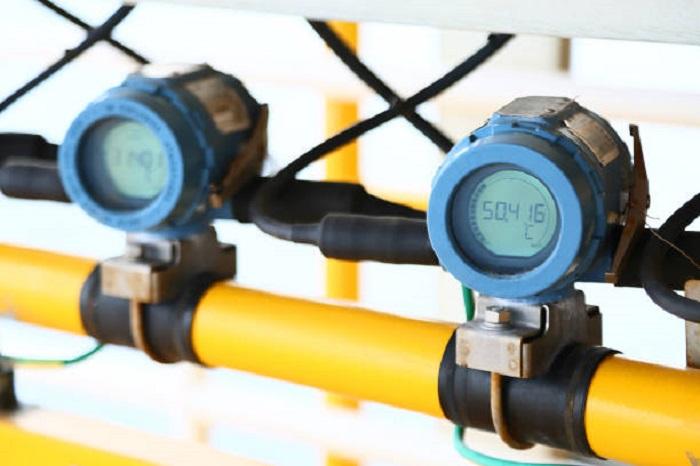
How Do Thermal Mass Flow Meters Help Optimize Energy Consumption?

In modern industrial environments, energy efficiency has become a defining measure of operational excellence. Manufacturing plants, power generation facilities, semiconductor fabs, and HVAC-intensive buildings all face rising energy costs alongside increasing regulatory and sustainability pressures. Within this context, accurate flow measurement plays a decisive role in controlling how much energy is consumed, wasted, or recovered. Among the available technologies, thermal mass flow meters stand out as a critical solution for optimizing energy use across gas-based processes.
Thermal mass flow measurement differs fundamentally from volumetric methods. Instead of measuring flow based on displacement or velocity, it determines mass flow directly by analyzing heat transfer between a heated sensor and the flowing medium. Because energy consumption is closely tied to mass rather than volume, this direct measurement approach enables far more precise energy management. Understanding how thermal mass flow meters contribute to optimization requires examining their operating principles, integration into control systems, and impact on real-world energy decisions.
Understanding the Principle of Thermal Mass Flow Measurement
Heat Transfer as a Measurement Foundation
At the core of thermal mass flow technology lies a simple yet powerful physical principle: the rate of heat loss from a heated surface is proportional to the mass flow rate of the fluid passing over it. A typical thermal mass flow meter uses one or more temperature sensors, with at least one heated above the process temperature. As gas flows across the sensor, it carries away heat. The amount of power required to maintain a constant temperature difference becomes a direct indicator of mass flow.
This approach eliminates the need for pressure and temperature compensation that volumetric meters require. Since energy content in gases such as compressed air, nitrogen, natural gas, or hydrogen is directly related to mass flow, thermal mass flow measurement aligns naturally with energy accounting.
Direct Mass Measurement and Energy Accuracy
Energy optimization begins with knowing how much energy is actually being consumed. Because thermal mass flow meters measure mass flow directly, they provide data that can be used immediately in energy balance calculations. This accuracy is particularly important in systems where gas density fluctuates due to temperature or pressure changes. In such cases, volumetric measurements can misrepresent actual consumption, leading to inefficient control strategies.
By delivering stable and repeatable mass flow readings, thermal mass flow meters allow operators to match energy input precisely to process demand, avoiding both underperformance and excess energy use.
Highlighted Subheading: The Relationship Between Flow Measurement and Energy Efficiency
Eliminating Hidden Energy Losses
One of the most significant ways thermal mass flow meters help optimize energy consumption is by revealing losses that would otherwise remain invisible. Compressed air systems provide a clear example. These systems are among the most energy-intensive utilities in industrial plants, yet leaks and inefficiencies often go unnoticed.
Thermal mass flow meters installed at strategic points can detect abnormal increases in flow that indicate leaks, excessive purge rates, or improperly sized equipment. Once identified, these issues can be corrected, leading to immediate reductions in compressor run time and electrical energy consumption.
Supporting Demand-Based Control Strategies
Energy efficiency improves dramatically when systems respond dynamically to actual demand. Thermal mass flow meters supply the real-time data needed for demand-based control. In burner management systems, for example, accurate gas mass flow measurement allows fuel input to be adjusted precisely according to load requirements.
This level of control prevents overfiring, reduces fuel waste, and improves combustion efficiency. Over time, even small improvements in control accuracy can translate into substantial energy savings and reduced emissions.
Integration with Automation and Energy Management Systems
Enabling Advanced Process Control
Thermal mass flow meters integrate seamlessly with modern control architectures, including distributed control systems and programmable logic controllers. Their fast response times and stable outputs make them ideal for closed-loop control applications where energy optimization depends on rapid adjustments.
In processes such as chemical vapor deposition or heat treatment, maintaining precise gas flow rates ensures consistent product quality while minimizing energy input. Thermal mass flow data enables controllers to fine-tune heating, cooling, and gas delivery systems to operate at optimal efficiency.
Data-Driven Energy Optimization
Beyond real-time control, thermal mass flow meters contribute to long-term energy optimization through data collection and analysis. Continuous monitoring of gas usage trends helps identify inefficiencies, seasonal variations, and opportunities for process improvement.
When integrated into energy management software, flow data supports benchmarking, forecasting, and verification of energy-saving initiatives. This data-driven approach ensures that efficiency improvements are sustained rather than temporary.
Reducing Energy Waste in Utility Systems
Optimizing Compressed Air Consumption
Compressed air is often referred to as the most expensive form of energy in industrial facilities. Thermal mass flow meters play a crucial role in managing this resource effectively. By measuring actual air consumption rather than estimated usage, operators gain insight into where and how energy is being used.
This visibility supports initiatives such as load shifting, compressor sequencing, and pressure optimization. As a result, compressors operate fewer hours at lower loads, significantly reducing electricity consumption.
Improving HVAC and Ventilation Efficiency
In HVAC and industrial ventilation systems, thermal mass flow meters help balance airflow precisely. Overventilation wastes energy by heating, cooling, or moving more air than necessary. Underventilation, on the other hand, can compromise safety and comfort.
Accurate mass flow measurement ensures that ventilation rates match actual occupancy or process requirements. This balance minimizes fan power consumption and reduces the energy needed for air conditioning or heating.
Enhancing Fuel Efficiency and Emissions Control
Accurate Fuel Measurement for Combustion Systems
In boilers, furnaces, and turbines, fuel efficiency depends on delivering the correct fuel-to-air ratio. Thermal mass flow meters provide accurate gas flow measurements that enable precise control of combustion processes.
Improved fuel measurement reduces excess oxygen, minimizes unburned fuel, and stabilizes flame conditions. These improvements not only lower fuel consumption but also reduce emissions of greenhouse gases and pollutants, supporting both cost savings and environmental compliance.
Supporting Alternative and Renewable Gases
As industries adopt alternative fuels such as biogas, hydrogen, and synthetic gases, accurate mass flow measurement becomes even more important. These gases often have variable compositions and energy contents. Thermal mass flow meters, when properly calibrated, can handle such variability more effectively than traditional meters.
This capability supports the transition to lower-carbon energy sources while maintaining efficient and safe operation.
Reliability and Low Maintenance as Energy Enablers
Consistent Performance Over Time
Energy optimization depends on measurement reliability. Thermal mass flow meters typically have no moving parts, reducing wear and minimizing drift. This stability ensures that energy management decisions remain based on accurate data over long periods.
Reduced maintenance requirements also contribute indirectly to energy efficiency by minimizing downtime and avoiding inefficient operation caused by degraded sensors.
Lower Lifecycle Energy Costs
While the primary function of a flow meter is measurement, its lifecycle characteristics influence overall energy performance. Thermal mass flow meters often have lower pressure losses compared to intrusive volumetric meters, especially in gas applications. Reduced pressure drop means less energy is required to move the gas through the system.
Over the lifespan of an installation, this advantage translates into meaningful reductions in energy consumption and operating costs.
The Strategic Role of Thermal Mass Flow Measurement
Aligning Measurement with Sustainability Goals
Organizations pursuing sustainability targets need accurate tools to measure progress. Thermal mass flow meters provide the granular data required to quantify energy savings and emissions reductions accurately. This measurement capability supports transparent reporting and continuous improvement initiatives.
As energy costs rise and environmental regulations tighten, the ability to optimize consumption through precise measurement becomes a competitive advantage rather than a technical luxury.
Enabling Smarter Energy Decisions
Ultimately, thermal mass flow measurement empowers decision-makers with clarity. By understanding exactly how much energy-related gas is being consumed at every stage of a process, inefficiencies can be addressed systematically rather than reactively.
The role of thermal mass flow technology extends beyond instrumentation. It becomes a foundational element in a broader strategy to reduce waste, improve performance, and ensure long-term energy efficiency.
Conclusion
Thermal mass flow meters help optimize energy consumption by aligning measurement accuracy with the physical realities of energy use. Through direct mass measurement, real-time control integration, and long-term data analysis, they enable industries to identify waste, refine processes, and reduce operating costs. Whether applied to compressed air systems, combustion processes, or advanced manufacturing environments, thermal mass flow measurement serves as a critical tool in achieving efficient, sustainable, and economically sound operations.


