

Does the English Horn Transpose? All You Should Know

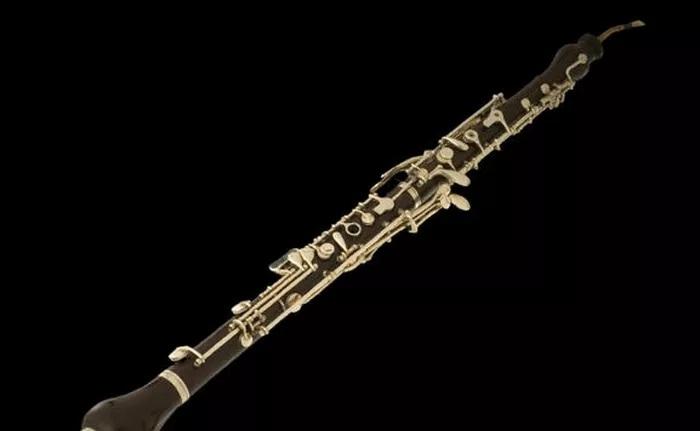
The English Horn is a fascinating double reed woodwind instrument, often misunderstood due to its name and unique tonal properties. Despite the title, the English horn is neither English in origin nor a horn by design. It is, in fact, a type of alto oboe, pitched in F, that plays an essential role in orchestral and solo music.
One of the most common questions asked by musicians, students, and educators alike is: “Does the English horn transpose?” The short answer is yes, it does. However, this transposition has specific implications for how music is written, read, and performed on the instrument.
What Is Transposition in Music?
Before exploring the specific case of the English horn, it is important to understand the general concept of transposition in music. Transposition involves shifting the pitch of a piece of music up or down by a consistent interval. Some instruments are referred to as “transposing instruments” because the note written in their music differs from the note that actually sounds.
In other words, a written C does not always produce a concert C (the pitch you would hear if a non-transposing instrument like the piano plays a C). This principle is vital for instruments like the clarinet, trumpet, French horn, and, of course, the English horn.
Is the English Horn a Transposing Instrument?
Yes, the English horn is a transposing instrument. Specifically, it is pitched in F. This means that when a player reads and plays a written C on the English horn, it sounds a concert F. This is a transposition of a perfect fifth down from the written pitch to the sounding pitch.
Why Is the English Horn Written in Transposition?
Transposition serves several practical purposes in music. The English horn is typically played by oboists who double on the instrument, so writing the part in a familiar key and fingering system simplifies performance. If an oboist switches to English horn, they can read the part using oboe fingerings, without needing to relearn pitch relationships.
For example, if an oboist sees a written C on the staff for the English horn, they will use the same fingering as they would for C on the oboe. The resulting sound will be F in concert pitch, thanks to the instrument’s inherent transposition.
How Does Transposition Affect Notation?
Notation for the English horn is written a fifth higher than it sounds. This standard convention ensures uniformity and ease of use among woodwind players. Music composers and arrangers take this into account when writing for English horn by adjusting the music upward by a fifth.
This means that if a composer wants the English horn to sound an F, they write a C in the music. When the player performs the written C, the instrument naturally produces the F. This system is similar to the notational practices used for other transposing instruments like the B♭ clarinet or the French horn in F.
Examples of English Horn Transposition in Practice
Let’s explore an example. If a musical passage in a concert score requires an English horn to play a melody starting on concert A, the part will be written starting on E (a fifth above A). The performer, reading E, uses the appropriate oboe fingerings, and the pitch heard will be the desired concert A.
In orchestral scores, this transposition is indicated by labeling the part as “English Horn in F,” and the conductor must be aware of this when analyzing full scores or cueing parts during rehearsals.
Comparison to Other Transposing Instruments
The English horn is not unique in its use of transposition. Other transposing instruments include:
Clarinet in B♭: Sounds a major second lower than written.
Trumpet in B♭: Also transposes down a major second.
French horn in F: Like the English horn, transposes down a perfect fifth.
This standard practice across many orchestral instruments makes it easier for players to switch between instruments in the same family without needing to relearn notation.
Transposition and Range Considerations
The written range for the English horn is typically from B3 (just below middle C) to G6. However, since it transposes down a perfect fifth, the sounding range is from E3 to C6. This range overlaps with the oboe but has a more mellow and deeper timbre.
Understanding this range is essential when orchestrating. The English horn often covers inner voices or melodic lines that require more resonance and warmth than the oboe can provide.
Performing in Orchestras and Chamber Groups
In an orchestral setting, the English horn is usually given solo lines or expressive melodic roles. Because of its distinctive tone, composers use it to convey emotion, melancholy, or introspective moods. Familiarity with its transposition allows players to execute these roles with confidence and precision.
Chamber music featuring the English horn often includes parts for instruments in concert pitch (such as piano or strings), requiring careful attention to tuning and coordination. Players must be aware of their transposed roles in relation to others in the group.
Famous English Horn Excerpts and Their Transposition
Several iconic orchestral excerpts feature the English horn. One of the most notable is from Dvořák’s “New World Symphony,” where the English horn delivers a haunting solo. In this piece, the part is written in F, and performers must be aware of the transposition to ensure correct intonation and musical phrasing.
Other examples include:
Ravel’s “Boléro” – lyrical solo passages, fully exploiting the instrument’s range and color.
Rossini’s “William Tell Overture” – expressive phrases highlighting the mellow tone of the English horn.
Summary
In summary, the English horn does indeed transpose. It is pitched in F and transposes a perfect fifth lower than written. This transposition facilitates easier reading for players who double on oboe and ensures that the instrument can fulfill its orchestral and solo roles with consistency and ease.
Understanding the transposition of the English horn is vital for composers, performers, arrangers, and educators alike. From notation and range to ensemble balance and digital composition, transposition shapes every aspect of how this beautiful instrument is used in music.


