
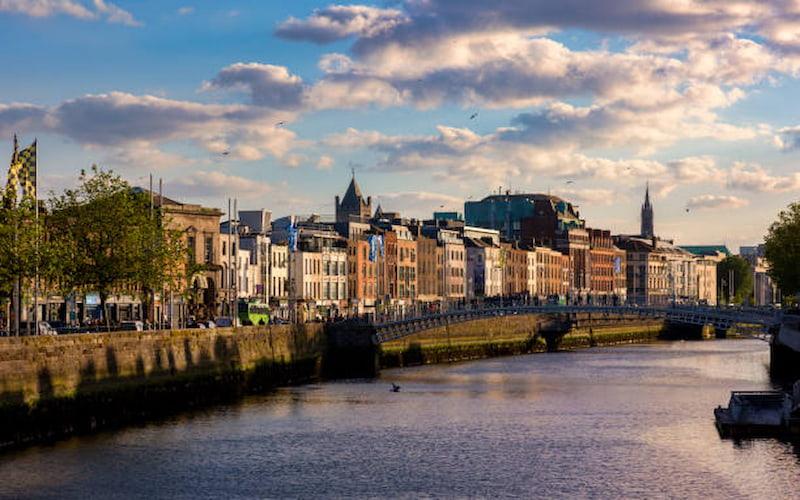
Who Needs a Visa to Travel to Ireland? Updated Eligibility Guide

Ireland is a paradise to all the people who are fond of the dramatic coastline, medieval castles, the pubs, and dripping Celtic culture. You have to visit the historic streets of Dublin, drive through the Wild Atlantic Way, or enjoy the atmosphere of Galway, but getting familiar with the rules regarding Ireland Visa is the first step of the journey before making the reservation.
Visa policies are dynamic and in most cases, eligibility is determined by your nationality, reason of traveling and duration of stay. This new eligibility guide outlines who requires a visa to come to Ireland, who is not required to face visa before visiting and what one ought to know before deciding to go on a trip to the Irish adventure.
Knowledge about the Visa Policy of Ireland.
Ireland belongs to the European Union but it does not belong to the Schengen Area. This is because a Schengen visa does not necessarily permit one to enter into Ireland. Practitioners have to fulfil the Irish entry and visa requirements.
It is worthwhile to ensure that you read the current Irish visa conditions before planning your trip not forgetting the fact that you might want to travel to Ireland and other European countries.
Who Does not Require Visa to Visit Ireland?
Short stays (usually not more than 90 days) allow the citizens of a number of countries to visit Ireland without a visa. These travelers are able to visit Ireland either as tourists, business meetings, or visiting family members.
Visa-Free Countries Include:
- United Kingdom (UK) citizens
- Citizens of European Union (EU) and European Economic Area (EEA).
- United States
- Canada
- Australia
- New Zealand
- Japan
- South Korea
- Singapore
In case you are among one of these countries, you only usually need:
- A valid passport
- Evidence of travelling back or onward.
- Indication of adequate finances.
- Accommodation details
Visa-free travelers also have to meet the demands of the immigration officers.
Who Needs an Ireland Visa?
Unless your nation is on the visa free list by Ireland, then you will need to apply to an Ireland Visa prior to traveling. This is primarily applicable to passengers in some of the areas in Asia, Africa and Middle East.
The countries which ordinarily issue a Visa:
- India
- China
- Pakistan
- Philippines
- Nigeria
- South Africa
- Bangladesh
- Sri Lanka
Before flying to Ireland, travelers of such countries have to get an approved visa.
Ireland Visa types among Travelers.
Ireland does have various types of visas depending on what you intend to do. It is important to select the appropriate one in order to prevent procrastination or rejection.
1. Tourist Visa (Short Stay- Type C).
This is a leisure or sightseeing visa, visiting friends or family, or such short events. It is typically applicable to a period of 90 days or less.
2. Business Visa
In case of the traveler who attends a meeting, a conference, or temporary work.
3. Transit Visa
Needed by some nationalities that travelled through Ireland to a different nation.
4. Long Stay Visa (Type D)
Apply to work, study or join family in Ireland more than 90 days.
The majority of leisure travelers request a short-stay tourist visa.
Special Visa-Free Travel Programs.
UK Ireland Common Travel Area (CTA)
Both Ireland and the UK have a Common Travel Area and UK citizens can travel freely to Ireland without a visa. Nationality also plays a role as some of the non-UK residents who have valid UK visas may take advantage of particular schemes.
Irish Short Stay Visa Waiver Programme.
Conditional entry into Ireland is allowed to nationals of some countries who have a valid UK short-stay visa and do not have to make a separate application. This is not true in all nationalities and it is important to check whether one is eligible.
Included in the Ireland Visa required Key Documents.
Although requirements will differ, the majority of applicants will require the following:
- Form of visa application being applied online.
- Valid passport (not less than 6 months validity)
- New passport size photographs.
- Details of travel itinerary and flight.
- Proof of accommodation
- Travel insurance
- Proof of sufficient funds
- Letter of purpose explaining the purpose of the travel.
This means that with the right and full documents, it is more likely to be approved.
The Ireland Visa Processing Time.
Processing time changes according to country and season, however as a rule:
Short-stay visas: 2–4 weeks
Time Processing can be time-consuming in the busy seasons.
Applicants are encouraged to apply early enough preferably 6 or 8 weeks before the actual date of travel.
Entry Rules Upon Arrival in Ireland
A visa is not a guarantee to entry. Irish immigration officers in the airport can require:
- Proof of return ticket
- Accommodation details
- Adequate financing towards the stay.
A proper preparation will make the experience of arriving to a place easier.
Travel in Ireland: Advice on a Smooth Visit.
- It is better to apply in time than experience a last-minute rush.
- Make sure that your passport is valid enough.
- Store printed copies of major documents.
- Plan a realistic itinerary
- Observe conditions on visa strictly.
Adequate planning will enable you to explore the Irish sceneries, culture, and Irish hospitality.
Concluding Remarks: Travel to Ireland without a Plan.
Ireland is a country to experience a lifetime-visit with its ancient castles and green hills, the bustling cities as well as driving along its coastlines. Knowledge of visa eligibility forms the basis of a hassle free trip.
When you are a foreigner with visa required country, you have to submit the right Ireland Visa before due time. Upon approval, you will be in a position to plan your itinerary, book your flights and prepare to have an amazing European getaway.
It is the best moment that you begin to plan your visit to Ireland, and apply to your Ireland tourist visa, and go on to enjoy the magic of the Emerald Isles without any hassle of travelling.


