

What Traditional Moldovan Foods Should Every Visitor Try?

Moldova is probably not one of the most recognized places in Europe, however, this little country is full of flavor, deep customs and memorable cuisine. When organizing a trip with a Moldova Tour Package it is not less important to start with local cuisine along with visiting vineyards, monasteries, and picturesque countryside. The Romanian, Ukrainian, Russian, and Turkish cultures also impacted the Moldovan food that is hearty, comforting, and full of character.
Moldova travel itinerary is mostly dependent on local meals, family style dining and old time recipes that have been proved by generations. Corn-based staples, slowly cooked meats, and desserts that are too good to resist are some of the traditional Moldovan food which every tourist should at least taste once in his or her life.
Here are the Traditional Moldovan Foods Should Every Visitor Try
1. Mămăligă The Moldovan Cuisine Heart.
It is impossible to make a list of Moldovan food without mămăligă. This is a famous meal prepared with cornmeal and it resembles polenta except that it is stiffer and more substantial. As a substitute of bread, traditionally it is offered together with the brânză (local cheese), sour cream and fatty meat stews.
Mămăligă in rural homes is prepared slowly in an iron cast and a string is used to cut it rather than a knife. Sipping on real mamaligas in your Moldova Touring package will make you feel the taste of the life and tradition in the country.
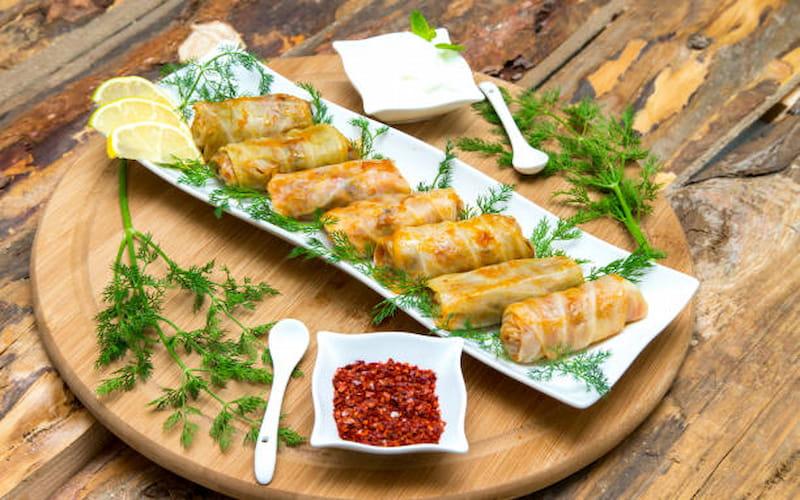
2. Sarmale Stuffed Cabbage Rolls with Soul.
Sarmale constitute one of the favorite comfort foods in Moldova. They are stuffed cabbage leaves filled with delicious combination of minced pork, rice, onions and herbs. They are tender, juicy and highly aromatic and made tender by slowly simmering over a number of hours.
Sarmale are typically prepared and eaten at festivals, weddings and family get-togethers and are usually accompanied by a side of sour cream and mămăligă. This dish is usually appealing to the visitors as they resemble other types of Eastern European versions, but the Moldovan sarmale also have that home cook richness that is specific to them.
3. Zeamă -A Chicken Soup that Comforts.
Zeamă is a classical dish of Moldovan soup that is sworn by locals when there is a cold or when one is under the weather. Prepared using chicken, home-cooked noodles, vegetables, and fermented bran (borsz), zeamă is a slightly sour dish, also refreshing and comforting.
This is a soup that is found in both Moldovan homes and restaurants. Numerous visitors of a Moldova Tour Package are amazed by the way of simple ingredients that are combined to form such a tasty and wholesome food.
4. Placinte -The Pastry of Moldova.
Placinte is a savory or sweet pastry that can be stuffed with any types of ingredients like cheese, potatoes, cabbage, apples, or cherries. They are eaten throughout the day since they can be prepared either by baking or by frying.
All the street vendors, bakeries, and village households have their variants of placinte. To the visitors, these pastries are ideal when having a bit bite as they travel around local markets or have a rest in between sightseeing sites.
5. Mititei Flavored Grilled Sausages.
Mititei or the mici are skinless sausages prepared of minced beef or pork combined with garlic, spices and herbs. They are cooked on open fires, juicy, smoky and extremely delicious.
Mititei are generally accompanied by mustard and fresh bread and in some cases by a cold local beer or wine and are eaten at outdoor parties and food festivals. Moldova meat lovers must not leave without trying them.
6. Tocană – A Rustic Meat Stew
Tocană is a pork slow-cooked stew, typically prepared by using pork, onions and spices. It is simmered until tender and served hot, usually going with mămăligă and pickled vegetables.
This meal is an expression of how Moldova loves simple fresh ingredients and slow-cooked meals. Tocană particularly is used in the country houses, though the recipes used differ slightly depending on the part of the country.
7. Branzac de Casa- Moldovan Traditional Cheese.
Moldovan cuisine includes cheese, which is a significant part, and brânză de casă (home made cheese) is among the most prominent types. This fresh cheese is made of the milk of the sheep or a cow and has a slight tangy taste to it.
It can be served on top of mămăligă, as a filling in plaquette or in combination with fresh vegetables. A visit to the local cheese is a very basic but necessary aspect of the Moldovan food culture.
8. Răcituri Traditional Aspic of Meat.
Răcituri is another typical Moldovan meal that is typically made during holidays and special occasions. The broth, which is made by boiling pork or chicken with garlic and spices, naturally solidifies when cooled to make a savory meat aspic.
Along with vinegar or mustard, răcituri look strange to certain guests, yet it is deeply embedded in the local culture and can be tried to have an experience of it.
9. Cozonac Sweet celebration Bread.
Cozonac is a sweet bread made in Easter and Christmas and family feasts. Fluffy and soft, it is packed with walnuts, cocoa, poppy or raisins.
Cozonac with fresh baked aroma offer encouragement to the Moldovan homes during the festivals and the aroma of cozonaac is regarded to be one of the most appealing cuisine that a number of visitors have throughout their adventure.
10. Moldovan Wine and Desserts The Perfect Ending.
The wine of Moldova is known all around the globe, and the wine cellars are the largest in the world. The red or white Moldovan wines are usually served to the local meals giving additional taste to old fashioned food.
So that you can complete your meal desserts such as alivanca (cornmeal cake with cheese) or plain fruit preserves with tea will be a nice and happy ending.
Conclusion: Taste Moldova to Know It.
Food in Moldova is not only a feeding, it is the history, the hospitality and life itself. The dishes are stories of family connections, traditions of the countryside, and cooking in seasons. You can enjoy mămăligă at home in a village or you can take some plăcinte at a local bakery, but any way, Moldovan cuisine becomes an inseparable part of your trip.
Lying on the beach, enjoying local dishes or relaxing in a Spa, dreaming of a specific place, and having a pleasant stay at a hotel, Moldova vacation packages are the choice you should start making. One of the most valuable experiences to have in Moldova is to do so in its flavors and it is a journey that your taste buds will never forget.


