

19 William Wordsworth’s Famous Poems

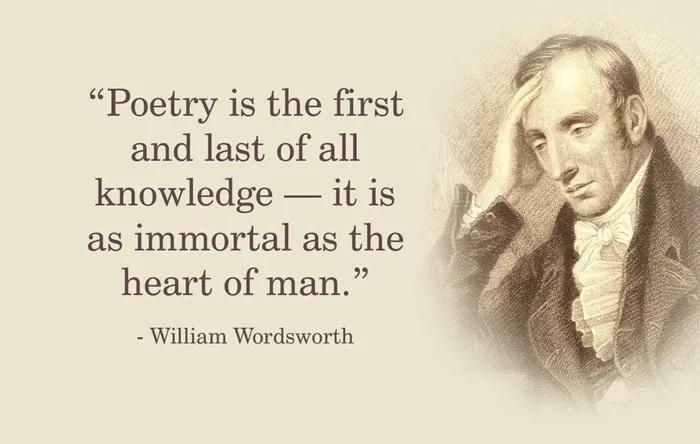
William Wordsworth is one of the greatest English poets of all time. He was born in 1770 and played a key role in launching the Romantic movement in England. His poetry focuses on nature, human emotion, memory, and the beauty of everyday life. Wordsworth believed that poetry should be written in simple language that people could understand. He often found inspiration in the natural world and the quiet moments of rural life.
In this article, we will explore 19 of William Wordsworth’s most famous poems. Each poem will be discussed in clear and simple language to help readers understand why his work is still loved and studied today.
19 William Wordsworth’s Famous Poems
1. Lines Composed a Few Miles Above Tintern Abbey
This poem was written in 1798 and is often simply called Tintern Abbey. It describes Wordsworth’s return to a beautiful place by the River Wye in Wales. He reflects on how nature has comforted and guided him over the years. The poem explores memory, growth, and the spiritual power of nature.
The lines are emotional and thoughtful. Wordsworth talks about how, even when he is far from nature, the memory of it brings him peace. This poem shows his deep belief in nature’s ability to heal and inspire.
2. I Wandered Lonely as a Cloud
This is perhaps Wordsworth’s most famous poem. It was inspired by a walk he took with his sister, Dorothy, when they saw a field of daffodils. The poem begins with the speaker walking alone, feeling lonely. Then he sees thousands of golden daffodils dancing in the breeze.
The beauty of the flowers lifts his spirits. Later, even when he is alone again, the memory of the daffodils brings him joy. This poem shows how simple things in nature can have a lasting effect on our emotions.
3. The Prelude
The Prelude is a long autobiographical poem. It tells the story of Wordsworth’s own development as a poet. He wrote many versions of it over his lifetime, and the final version was published after his death.
The poem is deeply personal. It explores his childhood, his love of nature, his time at Cambridge, his travels, and his growing ideas about poetry and life. This work is important because it shows how Wordsworth believed that poetry and life were deeply connected.
4. Ode: Intimations of Immortality from Early Childhood
This poem talks about how children see the world in a magical way. Wordsworth suggests that when we are young, we are close to heaven. But as we grow older, we forget that connection.
The poem is filled with both sadness and hope. Wordsworth mourns the loss of childhood wonder but finds comfort in nature and memory. He believes that even though we grow older, we can still find beauty and meaning in life.
5. The World Is Too Much With Us
This short sonnet is a criticism of the modern world. Wordsworth believed that people had become too concerned with money and material things. He felt that they had lost their connection with nature.
The poem calls for a return to a simpler life, one that values the natural world. It shows Wordsworth’s frustration with how society was changing during his time.
6. Lucy Gray
Lucy Gray is a sad and haunting poem. It tells the story of a young girl who goes out into a snowstorm and never returns. Her body is never found, and some people believe she became part of the natural world.
Wordsworth uses this story to explore themes of loneliness, nature, and mystery. Lucy’s connection with nature is so strong that she seems to live on in the wild landscape.
7. She Dwelt Among the Untrodden Ways
This poem is part of the “Lucy poems,” a group of poems about a girl named Lucy. She is described as quiet and unknown to the world. When she dies, the speaker is deeply affected, even though others might not notice her loss.
The poem is simple but powerful. It shows how one small life can have a deep emotional impact. It also highlights Wordsworth’s belief in the importance of individual human lives, no matter how unnoticed they may be.
8. Composed Upon Westminster Bridge
In this sonnet, Wordsworth describes London in the early morning. The city is quiet, and the buildings are bathed in soft sunlight. The scene surprises the poet, who usually finds beauty in nature rather than cities.
This poem is a rare example of Wordsworth praising an urban setting. It shows that beauty can be found in unexpected places if one takes the time to notice it.
9. My Heart Leaps Up
This short poem expresses joy at the sight of a rainbow. Wordsworth says that he has always loved rainbows and hopes to always feel the same joy when he sees one.
The most famous line from this poem is: “The Child is father of the Man.” This means that our childhood experiences shape who we become as adults. Wordsworth believed that we should stay connected to the feelings and joys of childhood.
10. Michael
Michael is a long narrative poem about a shepherd and his son. The story is set in the countryside and deals with themes of love, loss, and the passing of time.
The poem is moving and filled with emotion.
It shows Wordsworth’s love for rural life and his sympathy for ordinary people. It also reflects his belief that true value lies in love, family, and honest work.
11. Resolution and Independence
This poem tells of a walk Wordsworth took in nature. At first, he feels sad and full of worry. Then he meets an old man gathering leeches for a living. The man is poor but strong and determined.
Wordsworth is inspired by the man’s strength and endurance. The poem reminds readers that hope and courage can be found even in difficult situations.
12. To a Butterfly
This gentle poem describes Wordsworth and his sister watching a butterfly. He asks the butterfly to stay a while and recalls memories of childhood.
The poem is quiet and reflective. It shows how small moments in nature can bring back powerful emotions and memories. It also highlights the close bond between Wordsworth and his sister.
13. Lucy Poems (Series)
The “Lucy poems” are a group of five poems written between 1798 and 1801. They include:
She Dwelt Among the Untrodden Ways
Strange Fits of Passion Have I Known
A Slumber Did My Spirit Seal
Three Years She Grew in Sun and Shower
I Traveled Among Unknown Men
These poems are about a girl named Lucy, who may be fictional or based on someone Wordsworth knew. The poems explore love, loss, nature, and solitude. Together, they form one of the most touching parts of Wordsworth’s work.
14. Expostulation and Reply
In this poem, Wordsworth defends his habit of sitting quietly and thinking. A friend asks him why he does not read more books. Wordsworth replies that nature itself is a great teacher and that we can learn by being still and observing.
This poem is a good example of Wordsworth’s belief in nature as a source of wisdom.
15. The Tables Turned
This poem is a companion to Expostulation and Reply. Here, Wordsworth again urges his friend to stop reading and go outside. He argues that the natural world offers more truth and beauty than books.
The famous line, “Come forth into the light of things, Let Nature be your teacher,” shows his deep faith in learning from the world around us.
16. Nutting
This poem describes a young boy’s journey into the woods to gather nuts. He feels joy and power at first but later regrets damaging the plants. He becomes aware of nature’s fragility.
The poem reflects a moment of growth and moral awakening. It shows how personal experiences can lead to deeper understanding.
17. To the Cuckoo
In this poem, Wordsworth praises the cuckoo bird. He hears its call and feels a sense of wonder. The bird reminds him of his youth and the magic of spring.
The poem is simple and joyful. It celebrates the return of life after winter and the power of memory.
18. The Solitary Reaper
This poem describes a girl working alone in a field, singing a beautiful song. Wordsworth does not understand the words, but the music moves him deeply.
The poem shows how beauty can be found in simple, everyday moments. It also suggests that emotion and music can cross the boundaries of language and culture.
19. Song (Written in Early Youth)
This early poem expresses Wordsworth’s hope and dreams as a young man. He speaks of freedom, nature, and the desire to live a life filled with meaning.
Though less well-known, this poem gives insight into Wordsworth’s early ideas. It shows his strong love for the natural world and his belief in living a thoughtful, honest life.
Conclusion
William Wordsworth’s poetry is timeless. His simple language and deep thoughts continue to touch readers around the world. Through his poems, he teaches us to slow down, appreciate nature, and find beauty in ordinary life. He believed that nature is a powerful teacher and that memory, emotion, and childhood play a key role in shaping who we are.
These 19 poems are just a glimpse into Wordsworth’s rich legacy. They show his ability to capture the human experience with clarity, honesty, and grace. Whether writing about daffodils, lost love, or the quiet moments of rural life, Wordsworth reminds us to stay connected to the world around us—and to ourselves.
His words still inspire peace, reflection, and wonder.


