

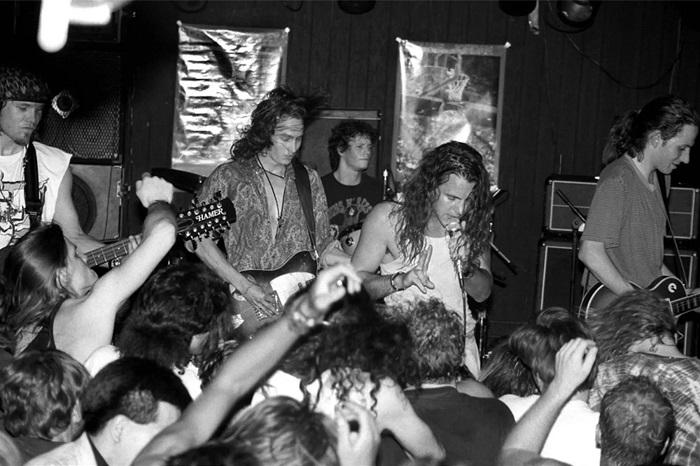
What Role Did Grunge Music Play in the Seattle Sound?

The late twentieth century witnessed the emergence of a musical movement that reshaped rock culture and redefined the identity of a city. The Seattle Sound, often synonymous with raw emotion and unfiltered expression, cannot be understood without examining the central role of Grunge Music. Emerging from the Pacific Northwest in the late 1980s and exploding into global consciousness in the early 1990s, grunge was not merely a genre but a cultural force. It shaped how Seattle was perceived musically, socially, and artistically, leaving a lasting imprint on popular music history.
Seattle’s isolation, climate, and working-class ethos created fertile ground for a sound that rejected excess and embraced authenticity. Grunge music became the defining voice of this environment, translating regional experiences into a universal language of alienation, frustration, and resilience.
The Cultural and Geographic Roots of the Seattle Sound
The Seattle Sound did not emerge in a vacuum. Its development was influenced by geography, economics, and local subcultures.
Isolation and Creative Independence
Seattle’s physical distance from major music industry hubs like Los Angeles and New York fostered a sense of creative independence. Bands were less pressured to conform to mainstream trends, allowing experimentation to flourish. This isolation encouraged musicians to blend elements of punk, metal, and alternative rock into something uniquely their own.
Grunge Music thrived in this environment because it valued sincerity over polish. The absence of industry oversight allowed artists to prioritize emotional honesty and sonic heaviness without concern for commercial appeal.
Climate and Emotional Tone
Seattle’s long, gray winters often feature prominently in discussions of the city’s sound. While weather alone does not create music, the region’s atmosphere contributed to introspective and brooding artistic expression. Grunge music reflected this mood through distorted guitars, heavy rhythms, and lyrics that explored inner turmoil.
The emotional weight of the Seattle Sound resonated with listeners who felt disconnected from the optimism and glamour dominating popular culture at the time.
Grunge Music as the Core of the Seattle Sound
While the Seattle Sound encompassed multiple styles, grunge became its most recognizable and influential component.
Sonic Characteristics and Musical Identity
Grunge music combined the raw aggression of punk with the weight and distortion of heavy metal. Guitars were often tuned down, producing a thick, abrasive sound. Vocals ranged from whispered introspection to anguished screams, emphasizing emotional contrast.
This sonic identity distinguished the Seattle Sound from other rock movements. The lack of emphasis on technical virtuosity reinforced the genre’s rejection of excess and its embrace of authenticity.
Grunge Music as a Rejection of Mainstream Excess
At its core, Grunge Music functioned as a cultural counterstatement to the polished excess of 1980s rock. Hair metal emphasized spectacle, wealth, and escapism, while grunge presented vulnerability, discomfort, and realism. This contrast helped define the Seattle Sound as a movement rooted in truth rather than fantasy.
The flannel shirts, worn jeans, and unstyled appearance of grunge musicians further reinforced this philosophy. Visual aesthetics became an extension of musical values.
Key Bands and the Expansion of the Seattle Sound
Several bands played pivotal roles in bringing grunge and the Seattle Sound to international attention.
Nirvana and Global Breakthrough
Nirvana’s success marked a turning point. With emotionally charged songwriting and explosive performances, the band brought grunge music into the mainstream without diluting its intensity. Their rise demonstrated that deeply personal and unconventional music could resonate globally.
This breakthrough positioned Seattle as a cultural epicenter, shifting industry attention toward the Pacific Northwest.
Pearl Jam and Emotional Authenticity
Pearl Jam contributed to the Seattle Sound by emphasizing emotional storytelling and social consciousness. Their music balanced raw power with melodic depth, expanding the expressive range of grunge. Themes of identity, isolation, and resilience connected strongly with audiences navigating similar struggles.
Their resistance to industry norms, including battles over ticket pricing, reinforced the anti-commercial ethos associated with the Seattle Sound.
Soundgarden and Sonic Innovation
Soundgarden pushed grunge into heavier and more experimental territory. Complex time signatures and dark tonalities added depth to the Seattle Sound, demonstrating that grunge music could evolve without losing its core identity.
This experimentation broadened the genre’s appeal and artistic credibility.
Independent Labels and the Local Scene
The infrastructure supporting Seattle’s music scene played a critical role in shaping its sound.
Sub Pop and Scene Identity
Independent labels such as Sub Pop were instrumental in defining and promoting the Seattle Sound. By highlighting local bands and emphasizing a cohesive aesthetic, these labels created a sense of community and shared purpose.
Grunge Music benefited from this localized support, allowing bands to develop organically before attracting major-label attention.
Live Venues and Community Culture
Small clubs and venues provided spaces for experimentation and collaboration. Musicians frequently shared bills, equipment, and ideas, fostering a collaborative environment. This sense of community strengthened the Seattle Sound and encouraged creative risk-taking.
Grunge thrived in these intimate settings, where emotional intensity could be fully expressed.
Lyrical Themes and Social Reflection
Beyond sound, grunge music played a crucial role in articulating the emotional landscape of a generation.
Alienation and Identity
Lyrics often explored feelings of disconnection, confusion, and dissatisfaction. These themes resonated with listeners experiencing social and economic uncertainty. Grunge music gave voice to emotions that were rarely addressed in mainstream rock.
The Seattle Sound became associated with introspection and honesty, reflecting broader cultural shifts toward authenticity.
Resistance to Commercial Narratives
Grunge lyrics frequently challenged consumerism and superficial success. This resistance aligned with the genre’s broader rejection of mainstream values. The Seattle Sound thus functioned as both musical expression and cultural critique.
The Impact of Grunge on the Broader Seattle Sound
As grunge gained popularity, it influenced other genres and artists within the region.
Diversification and Evolution
While grunge dominated attention, it also opened doors for alternative and experimental acts from Seattle. The city’s reputation as a creative hub attracted diverse musicians, expanding the Seattle Sound beyond a single genre.
Grunge Music served as a foundation upon which other styles could build, ensuring the city’s ongoing relevance.
Legacy and Cultural Memory
Even after grunge’s commercial peak faded, its influence persisted. The Seattle Sound remains synonymous with authenticity and emotional depth, values rooted in grunge’s ethos.
Grunge Music and Industry Transformation
The success of grunge reshaped the music industry’s approach to alternative rock.
Shifting Market Priorities
Record labels began seeking artists who embodied emotional honesty rather than manufactured image. This shift altered the trajectory of rock music throughout the 1990s, paving the way for diverse alternative styles.
Grunge Music demonstrated that cultural impact could outweigh conventional marketing strategies.
Long-Term Influence on Rock Music
The Seattle Sound influenced countless artists worldwide. Its emphasis on sincerity and emotional vulnerability continues to inform rock and alternative music today.
Conclusion
Grunge Music played a defining role in shaping the Seattle Sound, transforming a regional movement into a global phenomenon. Through its raw sonic identity, emotional depth, and rejection of excess, grunge captured the spirit of a city and a generation. It provided Seattle with a distinct musical voice that challenged industry norms and redefined what rock music could represent.
The legacy of the Seattle Sound endures not only through iconic recordings but through the values grunge championed: authenticity, community, and emotional truth. In this way, grunge music remains inseparable from Seattle’s cultural identity and its lasting contribution to music history.


