

What You Should Know Before Ordering Custom Patches in the USA
Custom patches are dynamic expressions of identity, creativity, and community. From brands and teams to fashion designers and hobbyists, people everywhere are incorporating patches into clothing, bags, accessories, and merchandise to make statements that feel personal and meaningful. Whether you're revamping your collection, creating branded apparel, or making collectible pieces, ordering custom patches in the USA requires thoughtful planning and informed decisions. This guide will walk you through everything you should consider before starting your patch project, so the result looks professional, impactful, and perfectly aligned with your vision.
Designing patches may feel straightforward until you realize how many details influence the final product. Decisions about type, size, material, backing, and artwork precision significantly affect quality, wearability, and overall impact. Getting these details right makes your creative process smoother and ensures your finished patches make the impression you want.
Understand the Purpose of Your Patch Project
Before you begin the process of ordering custom patches in the USA, the first question to ask yourself is why you need them in the first place. Are they for branding purposes on uniforms, promotional merchandise, or team gear? Are they meant to elevate a fashion line or commemorate an event? Knowing the purpose will guide your design choices, the type of patch you choose, and the materials that will work best.
For example, patches intended for corporate use might lean toward clean, minimalist designs that reflect brand identity. Fashion-oriented patches might incorporate bold colors or artistic imagery, while event commemorative patches might focus on symbolism and messaging. Understanding the purpose helps you avoid unnecessary additions or design elements that don’t serve your main objective.
Familiarize Yourself with Patch Types
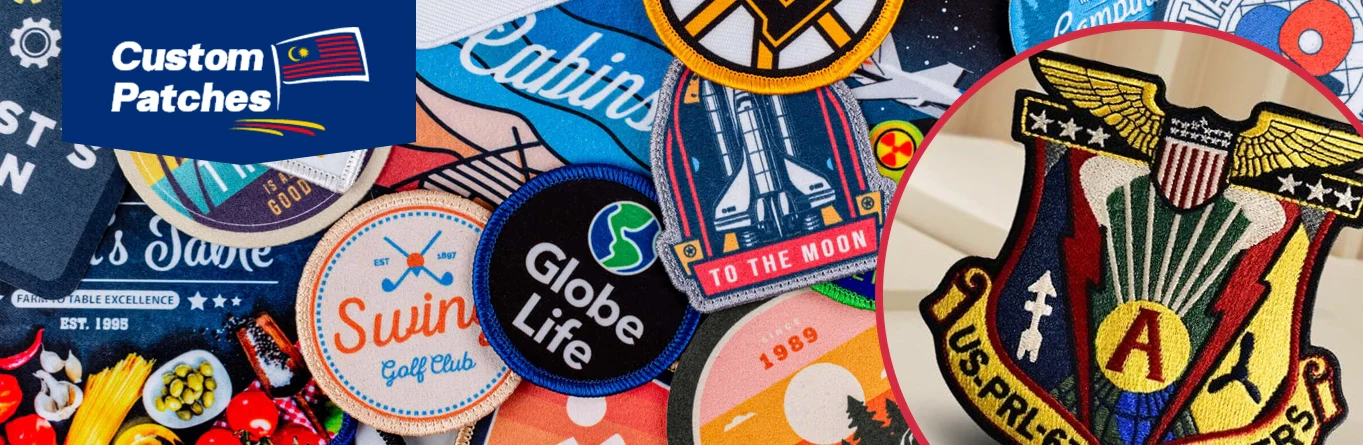
One of the most important elements of patch design is choosing the right type. When you’re ordering custom patches in the USA, the style you select plays a big role in how the final artwork looks and feels. The most common patch types include embroidered, woven, PVC, and chenille patches.
Embroidered patches have textured threads stitched into a fabric base, giving them a timeless and classic look. They work well for bold shapes and strong designs with distinct outlines. Woven patches use tighter thread patterns to show finer detail and are ideal for patches with small text or elaborate imagery. PVC patches have vibrant, rubber-like surfaces that hold up well to outdoor conditions and give a modern, three-dimensional look. Chenille patches offer a soft and plush texture, often associated with school letterman jackets or vintage style apparel.
Each patch type has advantages depending on how intricate your design is and how it will be used. Taking time to understand these differences will ensure that your design translates well into the chosen medium.
Preparing Your Artwork
A crucial step before ordering custom patches in the USA is preparing your artwork. High quality and clear artwork significantly improve how accurately your design translates into a stitched or molded patch. Most patch makers prefer vector formats like AI, EPS, or PDF because these formats maintain crisp lines and scalability without losing detail. If you only have raster files like JPEGs or PNGs, make sure they are high resolution and free of pixelation.
When preparing artwork, think about simplification. Too much detail—especially small or fine elements can get lost or muddled when turned into a patch. Simple, bold lines and shapes often produce more visually impactful results than overly complex designs. Reduce tiny text, refine crowded elements, and focus on the core shapes and colors that best represent your vision. Clear artwork not only looks better but also reduces production errors.
Choosing Colors Wisely
Color choice plays a big role in how your patch is perceived. Whether you decide to order custom patches in the USA for a vibrant, eye-catching look or something minimalist and elegant, selecting the right color combinations adds clarity and coherence to your design.
Consider how colors contrast with one another. High contrast helps details stand out and makes text readable even at smaller sizes. Think about how your patch will look on different fabric colors if you're sewing it onto apparel. A patch intended for dark jackets might need brighter thread colors to remain visible, while lighter fabrics may benefit from deeper hues. Many patch printers provide digital proofing so you can see how your colors interact in preview form before production begins.
Selecting Patch Size and Shape
Size and shape are two practical considerations that influence not only aesthetic appeal but also functionality. A very large patch might overwhelm a garment, while a very small patch might lose key details. When ordering custom patches in the USA, consider where patches will be placed and how visible they should be from a distance.
For example, chest-level patches on a jacket might be slightly larger for visibility, while sleeve or accessory patches might be smaller and more subtle. Traditional shapes like circles, squares, ovals, and rectangles are popular, but custom cut shapes that follow the contours of your design add a unique visual flair.
Choosing the right size and shape helps your patch look intentional and harmonious when worn or displayed.
Backing Options and Attachment
Once you’ve made decisions about patch type, artwork, and color, another important choice is how the patch will attach to the garment. When ordering custom patches in the USA, you’ll encounter standard backing options such as sew-on, iron-on, and Velcro.
Sew-on patches provide a secure, permanent attachment that withstands frequent washing and heavy wear. This makes them ideal for uniforms, backpacks, and long-lasting apparel. Iron-on patches come with adhesive on the back allowing you to attach them with heat, which works well for casual wear or DIY applications. Velcro backing provides flexibility, letting you swap patches on and off modular gear or uniforms.
Choosing the right attachment method depends on how the patches will be used and how often they might need to be removed or replaced.
Reviewing Digital Proofs Before Production
A critical stage in the process of ordering custom patches in the USA is reviewing the digital proof provided by your patch manufacturer. A digital proof shows a preview of how your patch will appear after production, including color choices, size, layout, and stitch density. Taking time to carefully review this proof allows you to catch any discrepancies before production begins.
Review every aspect of the design. Look for any shifts in proportion or color inconsistency. Request adjustments if something doesn’t look quite right. This stage is vital because once production begins it becomes more difficult to make changes, and catching errors now ensures satisfaction with the final product.
Planning Your Production Timeline
Production timelines vary depending on design complexity, quantity, and the manufacturer’s workload. When you are ordering custom patches in the USA, plan your schedule to accommodate potential lead time and unexpected delays. Rushing production can increase stress and risk errors, so building ample buffer time into your project will help you remain flexible and responsive to any needed revisions.
Many manufacturers offer express production options, but these may depend on stock, artist availability, and overall production flow. Communicate your deadlines clearly with your provider so they can offer realistic estimates and update you throughout the production process.
Frequently Asked Questions
How do I prepare artwork before I order custom patches in the USA?
Start with high resolution files in vector formats if possible. Simplify your design by focusing on bold shapes and eliminating tiny details that may be lost in stitching. Ensure contrast is strong so elements remain visible when translated into thread.
What factors should I consider when selecting patch size?
Consider where the patch will be placed and how visible it needs to be. Larger patches work well on jackets or bags, while smaller ones suit sleeves or accessories. Ensure the size complements the garment rather than overwhelming it.
Why is reviewing digital proofs important before production?
Digital proofs allow you to see how your colors, text, and layout will appear once produced. Reviewing and approving the proof ensures that the final patch aligns with your expectations and reduces the risk of production errors.
Conclusion
Ordering custom patches in the USA is a rewarding experience when approached with clarity, planning, and creative intention. By understanding patch types, preparing thoughtful artwork, choosing effective colors, and selecting the right backing and size, you empower your design to stand out and communicate meaning. Remember that digital proofing and production planning are essential to achieve a result that matches your creative vision. Whether for branding, fashion, or personal expression, custom patches are powerful tools that add identity and impact to any garment or accessory.


