
If you’re a busy parent, the words natural, green, or non-toxic on a cleaning bottle can feel like a sigh of relief. Less research, fewer worries about little hands, and a cleaner home win, win, win.
But here’s the truth many labels don’t make obvious: “natural” doesn’t automatically mean safe.
This guide will help you understand what those labels really mean, where hidden risks can appear, and most importantly, how working parents can make safer, realistic choices without turning cleaning into a chemistry experiment.
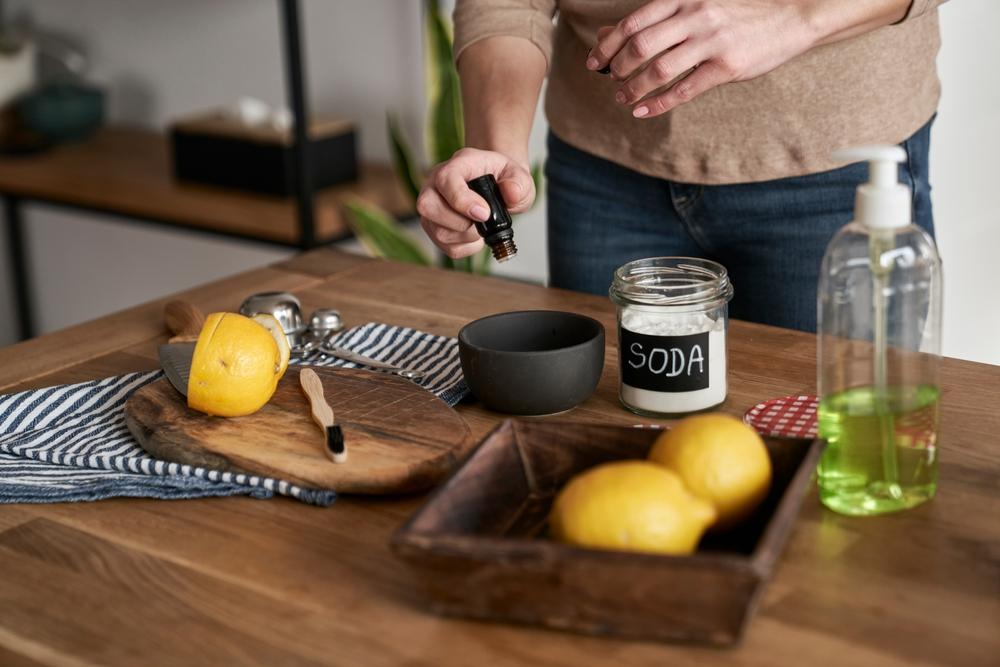
The Big Myth: “Natural” Equals Harmless
Quick answer (for voice search):
Are natural cleaning products always safe?
No. Natural ingredients can still irritate skin, trigger asthma, or be toxic if misused.
Poison ivy is natural. So is arsenic. Nature doesn’t come with a safety guarantee.
Many cleaning brands rely on natural-sounding language because it feels reassuring but those words often aren’t regulated.
Common “Natural” Label Traps
- “Plant-based” – doesn’t mean non-toxic
- “Eco-friendly” – focuses on the environment, not human health
- “Essential oil powered” – oils can be potent irritants or allergens
Hidden Risks Lurking in Natural Cleaners
Many people assume that “natural” products are automatically safe but the truth is more complicated. Whether you’re buying from big-box stores or local house cleaners Vancouver, it’s important to understand what’s inside the bottle. Even products marketed as plant-based or eco-friendly can contain ingredients that irritate skin, trigger asthma, or be toxic if ingested by children or pets. Being informed about hidden risks helps you make smarter choices for your family’s health.
1. Essential Oils Aren’t Gentle for Everyone
Essential oils like tea tree, eucalyptus, and citrus are popular in natural cleaners but they can:
- Trigger asthma or migraines
- Cause skin burns when undiluted
- Be toxic to pets, especially cats and dogs
Real-life example:
A parent swaps to a lemon-scented natural spray, only to notice their child’s eczema flaring up. The culprit? Citrus oils + sensitive skin.
2. “Fragrance” Still Means Mystery
Even in natural products, fragrance formulas are often undisclosed. That means:
- You don’t know what you’re breathing in
- Allergens may be hidden
- Multiple ingredients could be interacting
Parent-friendly tip:
Look for products labeled “fragrance-free”, not just “naturally scented.”
3. DIY and Homemade ≠ Automatically Safe
Pinterest recipes can be helpful but mixing ingredients incorrectly can be risky.
Never mix:
- Vinegar + hydrogen peroxide
- Vinegar + bleach (even “natural” bleach alternatives)
These combinations can create toxic fumes, even in small amounts.
Why Kids and Pets Are More Vulnerable
Children:
- Breathe faster than adults
- Touch surfaces, then mouths
- Have developing immune systems
Pets:
- Absorb chemicals through paws
- Are closer to floors where residue settles
Products that seem fine for adults may hit kids and pets much harder.
How Working Parents Can Choose Safer Cleaning Products
1. Flip the Bottle and Read the Ingredient List
If ingredients aren’t listed or are vague that’s a red flag. Look for transparency, not marketing buzzwords.
2. Trust Third-Party Certifications
Some labels actually mean something:
- EPA Safer Choice
- EWG Verified
- Green Seal
These programs evaluate health impact, not just eco appeal.
3. Simplify Your Cleaning Routine
You don’t need 12 products. For most homes:
- Mild dish soap + water handles everyday messes
- Microfiber cloths reduce chemical need
- One disinfectant (used correctly) beats constant spraying
Less exposure = less risk.
4. Use Proper Ventilation
Open windows, run fans, and step away while surfaces dry.
Voice-search friendly answer:
Should I ventilate when using natural cleaners?
Yes. Natural vapors can still irritate lungs.
5. Store All Cleaners Safely
Natural or not:
- Lock them away
- Keep original labels intact
- Never decant into food containers
Toddlers can’t read labels and neither can pets.
A Smarter Way to Think About “Safe” Cleaning
Instead of asking:
Is this product natural?
Ask:
Is this product appropriate for how, where, and how often I’ll use it?
Safety lives in dose, exposure, and context, not just ingredients.
The Takeaway for Busy Parents
You’re not failing your family if you don’t use perfectly “clean” products. You’re doing great when you:
- Stay informed
- Choose transparency over trends
- Keep things simple and intentional
A safe home isn’t about chasing labels, it's about thoughtful, realistic choices that fit real life. For busy parents looking for extra support, services like Hellamaid can help maintain a clean, safe home without the stress, giving you more time to focus on what matters most.
FAQs
Are natural cleaning products better for kids?
Not always. Some natural ingredients are more irritating than synthetic ones.
Can essential oils be dangerous in cleaners?
Yes. Especially for babies, pets, and people with asthma or allergies.
What’s the safest way to clean with kids at home?
Use fewer products, ventilate well, clean when kids aren’t nearby, and store everything securely.


