

Special Cleaning Needs: Handling Equipment, Sensitive Areas & Green Products
Modern workplaces rely on a wide range of equipment, specialist rooms and Madani cleaning service offers eco-friendly practices to maintain a safe, hygienic, and productive environment. When planning office cleaning, it’s important to understand the special requirements that come with delicate machinery, restricted zones, and sustainable cleaning solutions. By prioritising proper handling techniques and choosing greener products, businesses can protect assets, extend equipment lifespan, and support long-term environmental responsibility.
Handling Office Equipment with Care
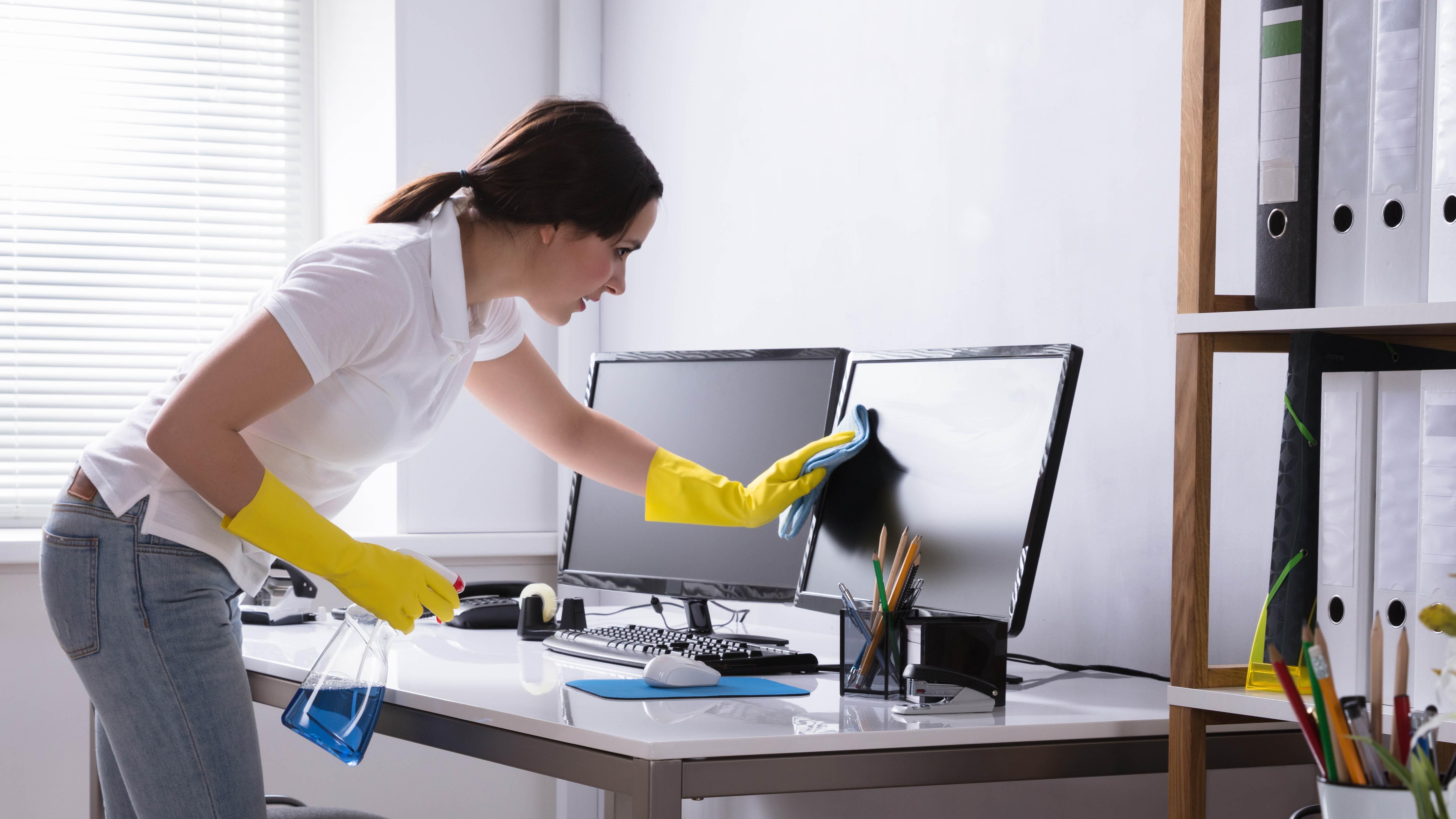
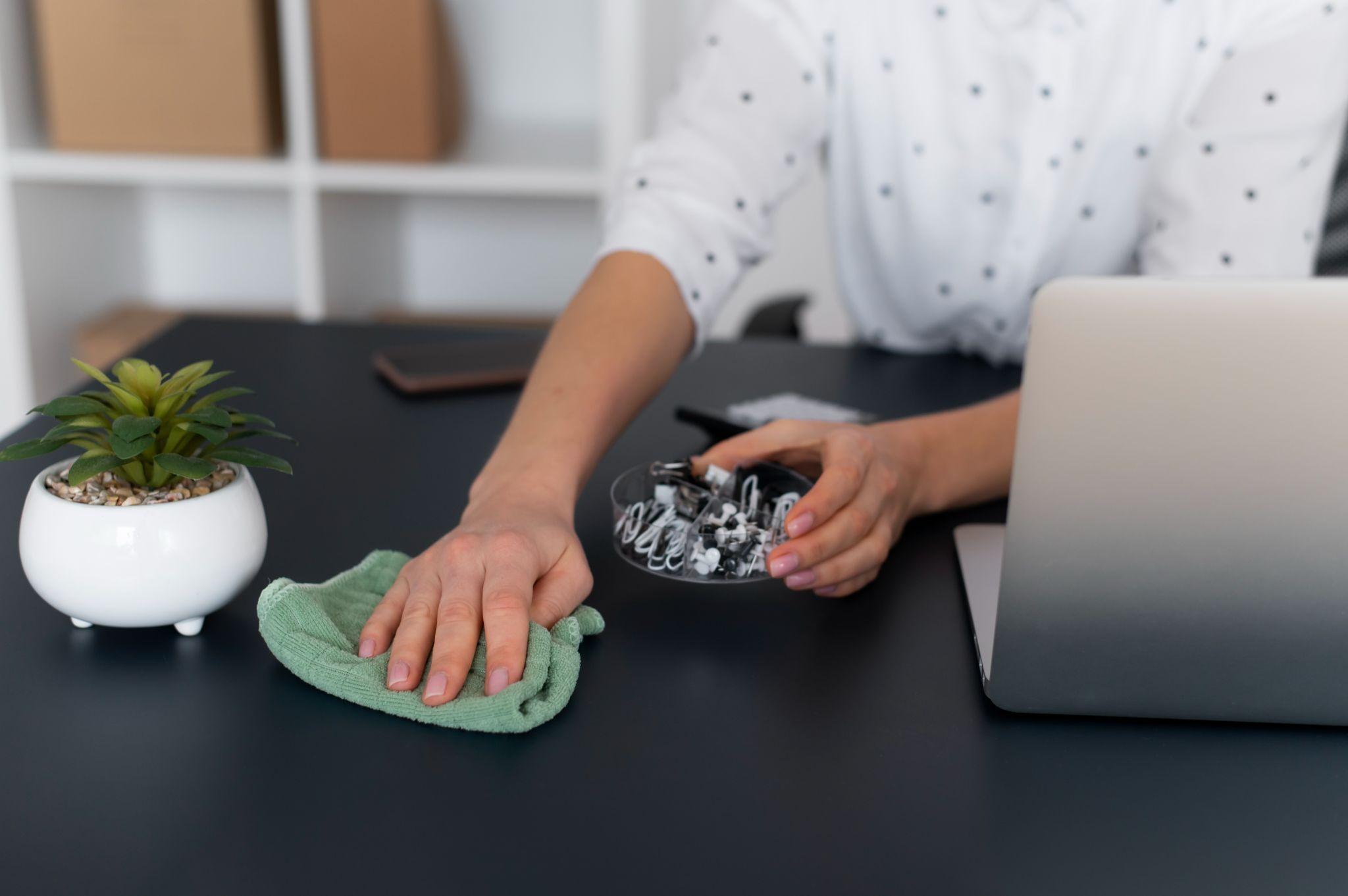
Office equipment such as computers, printers, monitors, and telecommunication devices require specialist cleaning approaches. Traditional cleaning materials can easily damage surfaces, disrupt functionality, or affect sensitive internal components.
Key considerations for cleaning equipment:
-
Use microfibre cloths to avoid scratches and remove dust effectively.
-
Avoid spraying liquid directly onto screens or keyboards. Moisture can seep into the device and cause permanent damage.
-
Unplug equipment before cleaning to maintain safety and reduce the risk of electrical hazards.
-
Use air dusters for hard-to-reach areas, especially between keyboard keys or ventilation vents.
-
Consult manufacturer recommendations to ensure cleaning methods comply with warranty standards.
Cleaning teams must be trained in these techniques to prevent accidental disruptions and maintain business continuity. Specialist cleaning methods not only protect expensive equipment but also create a healthier workspace by reducing allergen and dust build-up.
 Maintaining Sensitive or Restricted Areas
Many workplaces include areas that require tighter control, enhanced security, or special cleaning procedures. These spaces may include server rooms, laboratories, medical bays, storage units for confidential files, or research facilities.
Important rules for cleaning sensitive areas:
-
Follow strict access protocols. Only authorised cleaning staff should enter restricted zones.
-
Monitor room temperatures. Particularly in server rooms, temperature regulation is vital, and cleaning should not interfere with cooling systems.
-
Avoid using the wrong chemicals. In technical or medical environments, certain products may damage surfaces or sensitive materials.
-
Use low-moisture methods. High humidity can affect electronics, archived documents, and climate-controlled rooms.
-
Document cleaning activities. Keeping a log ensures transparency, traceability, and quality control.
Sensitive areas demand accuracy and consistency. A clear communication system between management and cleaners ensures all protocols are followed and no essential equipment is disturbed.
 Choosing Green Products for a Sustainable Workplace
Today’s businesses increasingly prioritise environmental responsibility. Selecting eco-friendly cleaning supplies supports sustainability goals and improves indoor air quality. With growing awareness about environmental impact, more workplaces now understand that biodegradable products are essential for a healthy environment, especially when trying to reduce chemical residue and long-term waste.
Benefits of using eco-friendly cleaning products:
-
Reduced chemical exposure for employees and visitors.
-
Improved air quality as non-toxic products emit fewer fumes.
-
Lower environmental impact due to biodegradable and plant-based ingredients.
-
Safe disposal since eco-friendly solutions break down naturally.
-
Compliance with green standards for businesses striving for sustainability certifications.
Common types of green cleaning solutions include:
-
Plant-based multi-surface cleaners
-
Natural disinfectants such as vinegar-based or citrus-based formulas
-
Non-toxic floor cleaners
-
Eco-labelled sanitising wipes
-
Reusable and recyclable cleaning materials
Practical Strategies for Meeting Special Cleaning Needs
A well-structured cleaning plan ensures every aspect of your office receives the right level of care. When dealing with equipment, sensitive areas, and green products, preparation and communication are key.
Essential strategies:
-
Create a tailored cleaning checklist based on your workplace’s equipment and specialised zones.
-
Train cleaning staff to recognise high-risk items and properly handle delicate machinery.
-
Use signage or restricted access tags to highlight sensitive spaces.
-
Schedule cleaning sessions during off-peak hours to minimise disruptions.
-
Review cleaning products regularly and replace harsh chemicals with eco-friendly alternatives.
-
Communicate expectations clearly so cleaners understand area-specific requirements.
A proactive approach ensures safety, protects assets, and reinforces your commitment to a greener, healthier workplace.
Conclusion
Special cleaning needs require a precise understanding of delicate equipment, sensitive office areas, and environmentally responsible products. By combining trained cleaning professionals with a structured cleaning plan, workplaces can prevent costly damage, comply with safety standards, and promote long-term sustainability. From handling equipment with care to prioritising green solutions, every step contributes to a cleaner, healthier, and more efficient working environment.
FAQs
1. Why is specialist cleaning important for office equipment?
Specialist cleaning prevents damage, maintains performance, and extends the lifespan of devices.
2. How should sensitive office areas be managed during cleaning?
They should be cleaned by authorised staff following strict protocols to protect equipment and maintain security.
3. Are eco-friendly cleaning products effective?
Yes, modern eco-products clean effectively while reducing exposure to harsh chemicals.
4. What makes green cleaning safer for employees?
Eco-friendly products contain fewer toxins, improving indoor air quality and reducing allergic reactions.
5. How can I ensure my cleaning team handles specialist equipment properly?
Provide training, written guidelines, and manufacturer-approved cleaning procedures.


