

Best Pricing and Schedules for Youth Martial Arts Programs

Finding the right physical activity for your child often involves balancing fun, discipline, and physical fitness. Martial arts have long been a top choice for parents looking to instill confidence and coordination in their children. When you are looking to enroll your student in a program that offers high energy and practical skills, the options can feel overwhelming. This guide breaks down what to look for in a quality program, focusing on curriculum standards, safety protocols, and the long-term benefits of combat sports for youth.
Why Combat Sports Benefit Child Development
In an era dominated by screens, getting children into a gym environment is more critical than ever. Unlike traditional team sports where a child might spend time sitting on a bench, martial arts ensure every participant is active throughout the session. The focus is on individual progress within a group setting, which removes the high-pressure anxiety of "letting the team down" while still fostering a sense of community.
Beyond the physical burn, these programs emphasize executive function. Children must learn to follow complex multi-step instructions, manage their breathing under stress, and respect their peers. It is a holistic approach to fitness that builds a foundation for a healthy lifestyle well into adulthood.
What to Expect in an Introductory Session
The first day at a martial arts academy is usually a mix of excitement and nerves. Most reputable gyms offer a trial period so you can see if the coaching style matches your child's personality.
The Warm-Up Routine
Every session begins with a dynamic warm-up. This isn't just about jumping jacks; it’s about preparing the joints for lateral movements and impact. Coaches often incorporate "animal crawls" or agility drills that make functional fitness feel like a game.
Skill Acquisition
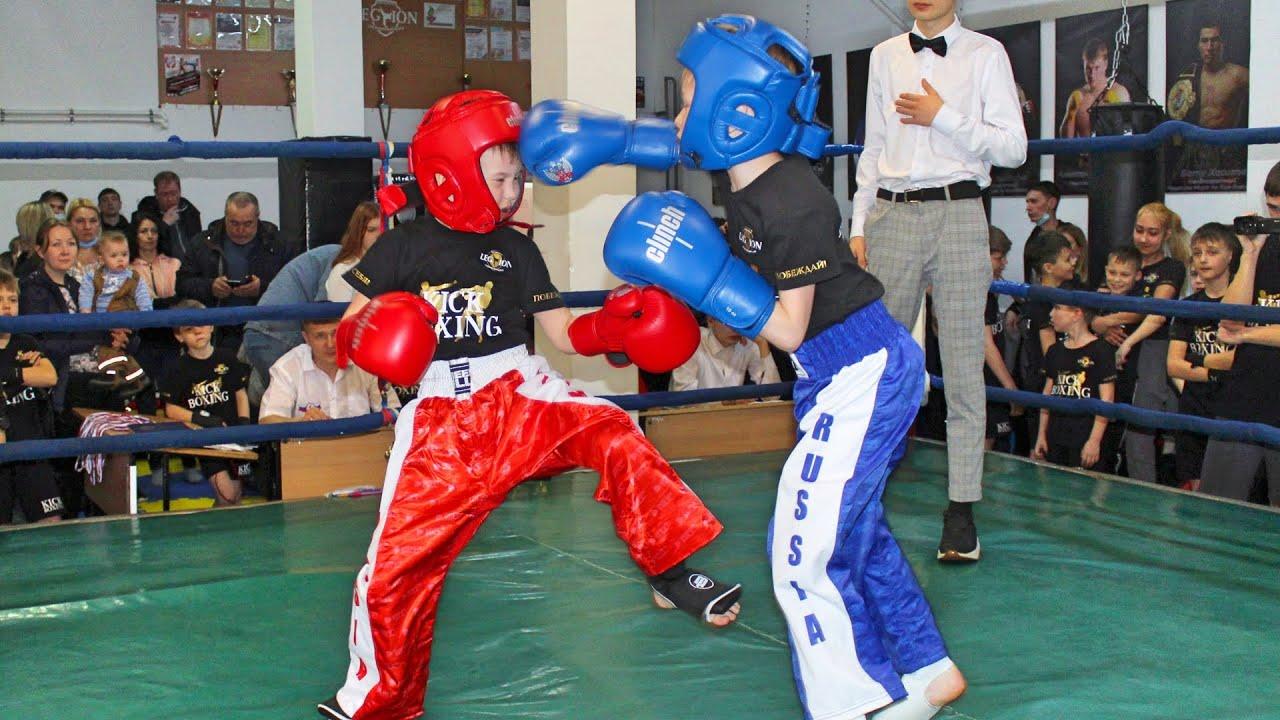
Once the heart rate is up, the technical work begins. This involves learning the proper stance, balance, and the mechanics of a strike. For younger age groups, the focus is rarely on power. Instead, it is about the "why" and "how" of a movement. For instance, kids kickboxing classes focus heavily on the "chambering" of a leg to ensure balance and safety before any contact is even considered.
Drills and Pad Work
After individual technique practice, students often move to partner drills using focus mitts or heavy bags. This allows them to feel the impact of their movements in a controlled environment. It’s during these drills that kick boxing classes near me for kids usually stand out, as the interaction between the student and the coach helps build immediate feedback loops.
Safety Standards and Equipment Needs
Safety is the primary concern for any parent. Modern martial arts training for minors is highly regulated and emphasizes "non-contact" or "light-touch" sparring until a certain age or skill level is reached.
To participate effectively, your child will eventually need specific gear:
-
Hand Wraps: To protect the small bones in the wrist and hand.
-
Gloves: Usually 8oz to 12oz depending on the child's size.
-
Shin Guards: Essential for protecting the shins during bag work.
-
Mouthguards: A mandatory requirement for any partner-based drills.
When searching for a kick boxing class for kids, always ask the head instructor about their injury prevention protocols and the certification level of their coaching staff. A safe environment is a productive environment.
Comparing Different Youth Training Styles
While many people use terms interchangeably, there are nuances in how different gyms approach the sport. Some might focus on the "sport" aspect (points and competition), while others focus on the "art" (tradition and form).
| Feature | Recreational Programs | Competitive Programs |
| Focus | General Fitness & Fun | Technique & Strategy |
| Frequency | 1-2 times per week | 3+ times per week |
| Sparring | Rarely or very light | Regular supervised rounds |
| Progression | Participation-based | Merit and skill-based |
A high-quality kickboxing class for kids will likely sit somewhere in the middle, offering a path for those who want to compete while keeping it accessible for the hobbyist.
Social and Emotional Growth
The mats are a great equalizer. In a martial arts setting, children interact with peers from various backgrounds, all wearing the same uniform. This environment strips away social hierarchies found in schools and replaces them with a hierarchy based on effort and respect.
-
Resilience: Learning a difficult kick takes time. Falling down and getting back up is a literal and metaphorical lesson taught in every class.
-
Conflict Resolution: Paradoxically, learning how to fight often makes children less likely to start a fight. They gain the "quiet confidence" that comes from knowing their own capabilities.
-
Focus: In a world of distractions, a kids kick boxing classes session requires 100% of a child’s attention. If they lose focus, they miss the target. This immediate consequence helps sharpen the mind.
Finding the Right Local Academy
Location and schedule are often the deciding factors for busy families. However, don't sacrifice quality for a five-minute shorter commute. Look for gyms that offer specific age-segregated groups. A class that mixes 5-year-olds with 15-year-olds is rarely effective for either group.
When evaluating kick boxing classes for kids, look for:
-
Cleanliness: Is the mat disinfected regularly?
-
Ratio: Is there a good student-to-teacher ratio?
-
Atmosphere: Do the kids look like they are enjoying themselves, or is the environment overly militant?
For those living in major metropolitan hubs, the variety of options can be vast. For example, parents looking for kickboxing classes for kids often find that the best facilities offer "viewing areas" where parents can watch the progress without distracting the students.
Long-term Commitment and Belt Systems
Most youth programs use a ranking system to track progress. While the traditional belt system is more common in Karate or Taekwondo, many modern striking gyms have adopted colored wraps or shirts to signify rank.
This system is vital for goal setting. It teaches children that rewards are earned through consistency rather than just showing up. If you are looking for kickboxing classes for kids in Dubai, you will find that many international-standard gyms use these systems to maintain a high level of discipline and motivation across their diverse student bodies.
Final Thoughts on Youth Fitness
Investing in a martial arts program is an investment in your child’s character. The physical benefits—cardiovascular health, flexibility, and strength—are just the beginning. The real value lies in the mental fortitude they develop. Whether they stay with the sport for two years or twenty, the lessons of the mat stay with them forever.
By choosing a program that prioritizes safety and structured learning, you provide your child with a toolkit for success that transcends the gym walls. Start by visiting local academies, speaking with the instructors, and letting your child experience the energy of a live session.


