


How Is Data Loss Prevention Monitoring Transforming Modern Cybersecurity Practices?
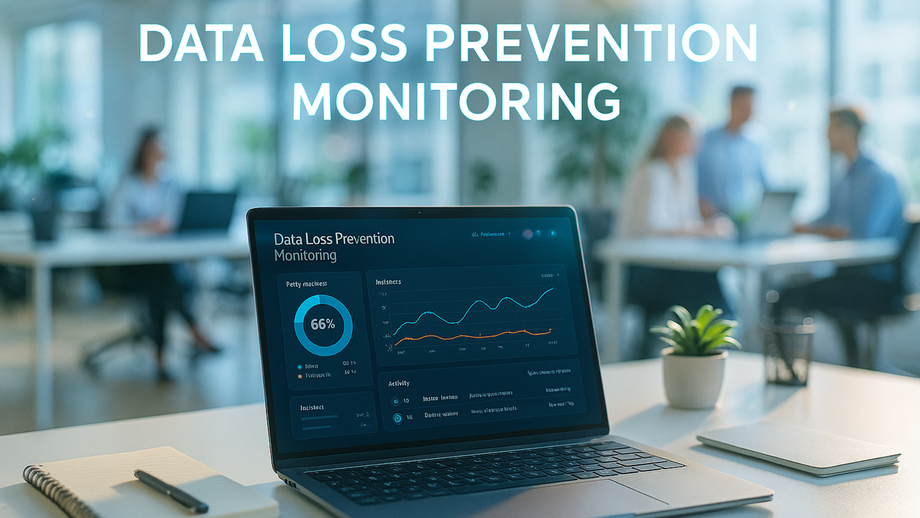
In today’s rapidly evolving digital world, organizations face constant pressure to protect confidential information from internal mishaps, external intrusions, and accidental exposure. Whether it’s customer databases, financial records, intellectual property, or operational documents, every form of sensitive data demands strict protection. As cyber threats become increasingly complex, companies are no longer relying solely on traditional firewalls or reactive defense mechanisms. Instead, they are shifting toward more active, intelligent tools like Data Loss Prevention Monitoring, which gives real-time visibility into how data moves across systems, devices, and users. This dynamic monitoring approach helps businesses identify unusual patterns, stop unauthorized transfers, and maintain compliance with ease. Ultimately, it is becoming a powerful strategy for organizations that aim to stay ahead of risks before they escalate into costly incidents.
The Rise of Smarter Digital Threats and the Need for Continuous Oversight
Cyberattacks today are far more sophisticated than they used to be. Hackers leverage AI-driven techniques, social engineering, and multi-vector attacks to infiltrate systems quietly. At the same time, internal threats, intentional or accidental, contribute significantly to data exposure cases. Employees may unknowingly upload files to unsafe platforms, share documents with unauthorized contacts, or fall victim to phishing emails designed to capture login credentials.
Because of this evolving landscape, businesses need more than antivirus tools or password policies. They require systems that can continuously observe digital activities, detect anomalies, and alert administrators instantly. Smart monitoring acts as a digital watchdog, ensuring businesses can intervene before any breach affects reputation or finances.
Why Visibility Is the Core of Effective Security Strategies
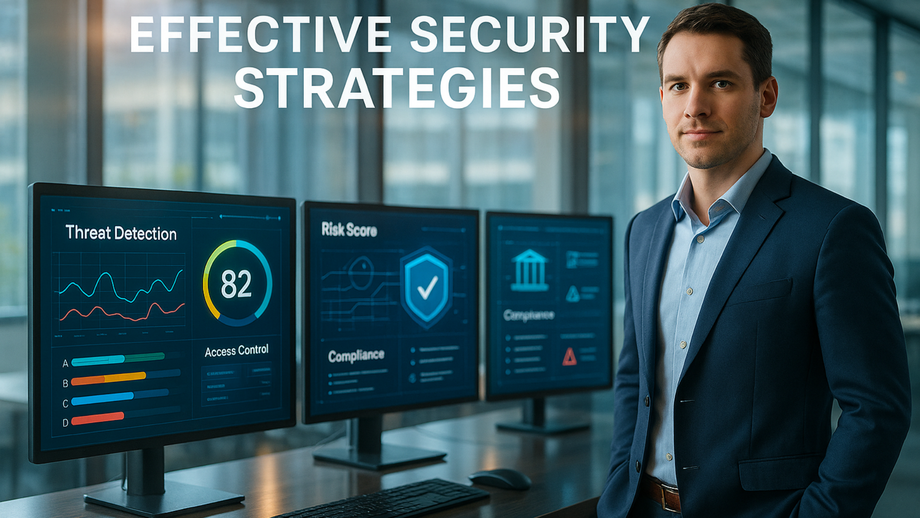
Data security goes beyond locking files behind encrypted walls. True protection begins with understanding how data flows within an organization. Visibility allows IT teams to track who accesses what, how often, and for what purpose. With granular insights, it becomes easier to prevent intentional data theft or careless behavior. Modern monitoring systems, designed to effectively monitor employee behavior, offer dashboards that display live activity, analyze user behavior, and provide automated risk scoring. These insights help IT teams make informed decisions and set appropriate restrictions. More importantly, they empower organizations to enforce a culture of accountability, where employees understand that every digital action can be monitored and audited.
How Intelligent Monitoring Supports Regulatory Compliance
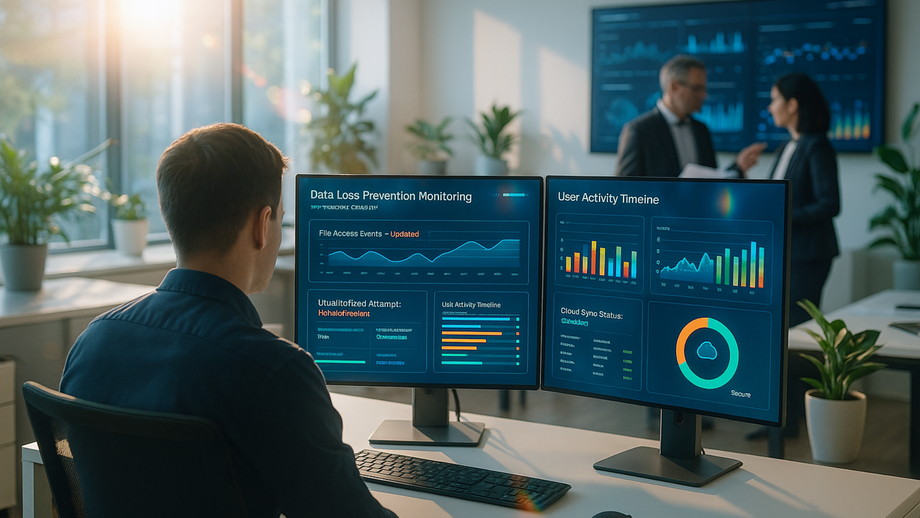
Businesses operating in sectors like healthcare, finance, government, e-commerce, and technology often face strict compliance requirements. Regulations such as GDPR, HIPAA, PCI DSS, ISO standards, and local data protection laws demand controlled data access, proper documentation, and detailed audit trails.
Monitoring solutions make compliance easier by automating record-keeping and generating reports on user activity, permission levels, file transfers, and policy violations. Instead of manually tracking logs, companies can rely on automated workflows that allow them to demonstrate compliance during audits. This reduces overhead costs and minimizes the risk of penalties due to lapses in data handling.
How Automation and AI Enhance Modern Security Monitoring
Automation has become an indispensable part of the security ecosystem. AI-powered monitoring tools are designed to recognize patterns, learn from historical behavior, and detect anomalies such as unusual login times, bulk file downloads, or suspicious email communication. Much like tools that simplify tasks such as an hour calculator work, these intelligent systems respond faster than human teams, drastically reducing incident response time. AI also reduces false positives by analyzing user intent more accurately. Instead of flagging every minor deviation, it focuses on legitimate threats, helping IT teams prioritize critical issues. The combination of automation and AI transforms monitoring from a reactive process into a forward-thinking security strategy.
The Role of Cloud Monitoring in Today’s Distributed Work Environment
As organizations adopt cloud platforms and remote work policies, their digital boundaries expand across networks, devices, and locations. Cloud-based applications, virtual desktops, and collaboration tools make operations smoother, but they also introduce opportunities for data leakage.
Cloud monitoring ensures that data stored, shared, or transferred through online platforms remains secure. It tracks user activity in apps, identifies unusual file-sharing behavior, and prevents employees from storing sensitive material in unauthorized spaces. This is crucial at a time when hybrid and remote teams depend on cloud tools for daily workflows.
To know more, click on: EmpMonitor's New DLP Feature: USB Blocking for Enhanced Data Security
Conclusion
In a world where digital interactions are more frequent than ever, businesses must adopt a proactive defense strategy rather than relying on outdated tools. Technologies like Data Loss Prevention Monitoring help companies stay aware, compliant, and protected by offering deep visibility into data movement and user activity. By embracing smarter monitoring practices today, organizations can secure their digital assets, enhance operational trust, and build a resilient security framework capable of withstanding future cyber challenges.
FAQs:
1. What is data monitoring in cybersecurity?
Data monitoring refers to tracking how information is accessed, shared, and transferred within an organization. It helps detect suspicious behavior and prevents unauthorized activities.
2. Why is continuous monitoring important for businesses?
Continuous monitoring ensures real-time visibility into data movement, allowing companies to stop threats early, maintain compliance, and safeguard sensitive information.
3. How does monitoring help prevent insider threats?
Monitoring tools track user actions, detect unusual patterns, and alert administrators instantly, reducing the chances of accidental or intentional data misuse.
 Italiano
 English
 Arabic
 French
 Spanish
 Portuguese
 Deutsch
 Turkish
 Dutch
Dutch
 Russian
 Romaian
 Portuguese (Brazil)
 Greek
Greek