


Why the Saxophone is Called the Devil’s Horn? All You Want to Know
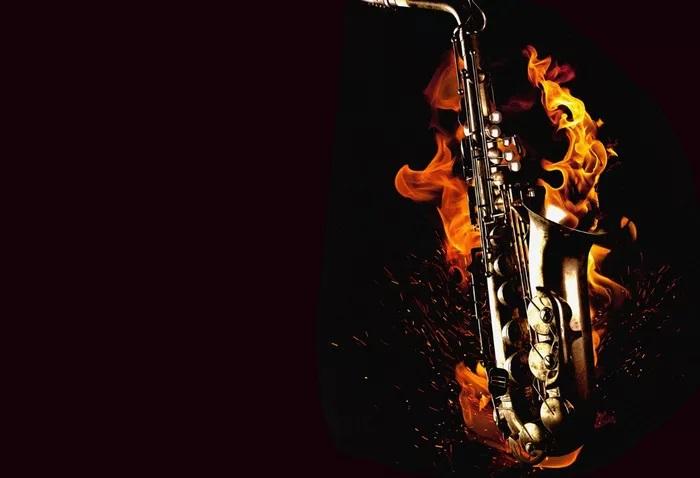
The saxophone, with its rich, resonant sound, is one of the most captivating instruments in music history. Yet, it carries a controversial nickname: “the devil’s horn.” This intriguing label has puzzled music enthusiasts for decades. Why would an instrument that produces such beautiful melodies be associated with the devil? To answer this, we must explore the instrument’s origin, its unique sound, its impact on society, and the role it played in early music genres.
The Invention of the Saxophone
The saxophone was invented in the early 1840s by Adolphe Sax, a Belgian instrument maker. Sax aimed to create an instrument that combined the power of brass with the agility of woodwinds. His creation bridged the tonal gap between these two families, offering a sound both bold and expressive. While the instrument was revolutionary, its timbre—richer and more intense than other wind instruments—was unusual to the ears of classical musicians of the time.
Early Reactions to the Saxophone
When first introduced, the saxophone caused mixed reactions among musicians and audiences. Some were fascinated by its expressive range, while others found it jarring or unsettling. Its ability to play both soft, smooth melodies and harsh, brassy tones created an emotional versatility that was unfamiliar and even disturbing to listeners accustomed to traditional orchestral sounds.
The Cultural Context of the 19th Century
During the 19th century, society held strong beliefs about music’s moral influence. Music that evoked intense emotions was often considered morally suspect. The saxophone, with its dramatic and sometimes haunting sound, challenged these conventions. Critics of the time sometimes described its voice as “unnatural” or “sinful,” reflecting their discomfort with music that stirred powerful feelings of excitement or melancholy.
The Role of Jazz and Blues
As the 20th century arrived, the saxophone found a home in jazz and blues. These genres were considered rebellious and even scandalous by mainstream society. Jazz clubs were often associated with nightlife, alcohol, and vice, and the saxophone was the instrument of choice to lead the band. Its sultry, expressive voice perfectly matched the improvisational and emotive qualities of jazz, further cementing its reputation as a “devil’s horn.”
The Expressive Power of the Saxophone
The saxophone’s ability to convey deep emotion is central to its devilish reputation. Its timbre can evoke longing, seduction, melancholy, and joy all within a single performance. This dramatic versatility can feel almost supernatural to listeners, making them wonder whether an instrument that can stir such intense feelings could truly be harmless. Early critics and religious authorities often associated the instrument’s emotive power with temptation or moral danger.
Media and Literature Influence
The nickname “devil’s horn” was reinforced by media, literature, and folklore. Stories about jazz musicians leading “wild” lives, combined with sensationalized press coverage, painted the saxophone as a symbol of rebellion and moral risk. Films, books, and cartoons from the early 20th century often depicted saxophones in smoky, mysterious settings, playing seductive or eerie music that contributed to the association with the supernatural or the diabolical.
Musical Technique and the Devilish Sound
The physical technique required to play the saxophone also adds to its mysterious aura. Its mouthpiece and reed system allow for a wide array of tonal effects, including growls, squeaks, and altissimo notes. These unusual sounds were alien to early listeners and contributed to the perception that the instrument produced “otherworldly” tones. To some, the more experimental techniques in jazz and blues sounded almost like the instrument was “possessed” or defying normal musical rules.
Religious Opposition to Jazz and Saxophones
In the early 20th century, religious leaders often criticized jazz as sinful. They considered it morally corrupting due to its association with nightlife, drinking, and provocative dancing. Since the saxophone was central to jazz bands, it became a symbol of these perceived moral threats. This further entrenched the nickname “devil’s horn” in the popular imagination, linking the instrument directly with vice, temptation, and rebellion.
The Saxophone in Popular Culture
Hollywood and the music industry also played a role in promoting the saxophone’s edgy reputation. From film noir to early rock and roll, the instrument was often used to underscore tension, romance, or danger. Its smoky, sensuous tones were perfect for scenes that required a touch of mystery or seduction, reinforcing the idea that the saxophone was more than a mere instrument—it was a tool for emotional and moral provocation.
Interestingly, the “devil’s horn” label was most prominent in Western culture. In other parts of the world, the saxophone was primarily admired for its versatility and expressive range. However, in countries influenced by early Western religious and cultural attitudes, the nickname persisted, linking the instrument with rebellion, passion, and emotional intensity.
Modern Perceptions of the Saxophone
Today, the saxophone is celebrated as a versatile and expressive instrument, with its “devil’s horn” nickname often referenced with a sense of nostalgia or humor rather than fear. Jazz festivals, orchestras, and popular music continue to showcase its dynamic voice, demonstrating that the instrument’s power to evoke emotion is both thrilling and harmless. Musicians embrace its history and the mythos of its rebellious reputation, using it to inspire performance and creativity.
The nickname “devil’s horn” has endured because it captures the essence of the saxophone’s unique character. It reminds us that music can evoke powerful emotions, challenge conventions, and stir imagination. From its early invention to modern performances, the saxophone’s sound has consistently provoked strong reactions. The nickname is both a testament to its expressive power and a reflection of society’s fascination with instruments that push boundaries.
Conclusion
In conclusion, the saxophone earned the title “devil’s horn” due to a combination of historical, cultural, and musical factors. Its powerful and expressive sound challenged 19th-century norms, its role in jazz and blues linked it to rebellion and vice, and its dramatic tonal effects inspired awe and sometimes fear. Today, the nickname serves as a reminder of the instrument’s remarkable ability to move listeners, provoke emotion, and stand as a symbol of musical freedom and creativity.
 Greek
Greek
 English
 Arabic
 French
 Spanish
 Portuguese
 Deutsch
 Turkish
 Dutch
Dutch
 Italiano
 Russian
 Romaian
 Portuguese (Brazil)