

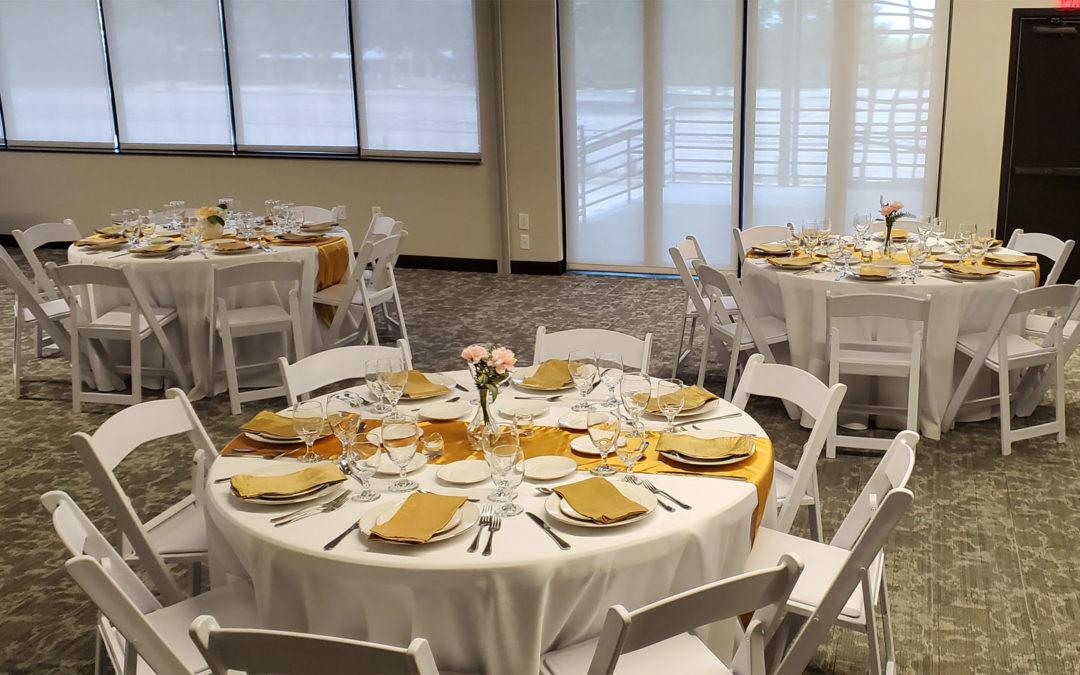
Why Networking Events Thrive Inside Coworking-Based Event Centers

Built for Collaboration From the Start
Networking events succeed when attendees feel comfortable interacting, sharing ideas, and forming connections. Traditional hotel conference rooms or generic halls often feel formal and restrictive, which can limit spontaneous conversations. In contrast, coworking-based venues are designed around openness, flexibility, and professional interaction, making them naturally suited for networking-focused gatherings.
These spaces are intentionally structured to encourage communication. Open seating areas, shared lounges, and relaxed meeting zones reduce the barriers that normally exist in formal event environments. When participants enter a space that already supports collaboration, conversations start more easily and engagement levels increase throughout the event.
The layout also supports movement. Instead of remaining seated for long sessions, guests can transition between presentation zones, breakout spaces, and informal discussion areas. This mobility encourages more introductions, stronger discussions, and higher participation across the entire event.
Professional Atmosphere Without Corporate Stiffness
One of the biggest advantages of coworking event venues is their ability to balance professionalism with comfort. Corporate networking events need structure, but they also need an environment that feels welcoming rather than intimidating. Coworking venues achieve this balance by combining modern business infrastructure with relaxed interior design.
High speed internet, presentation screens, sound systems, and technical support ensure events run smoothly, while modern furniture, natural lighting, and thoughtfully designed interiors create an approachable atmosphere. Guests feel like they are attending a serious business function without the pressure of an overly formal setting.
This combination is especially valuable for startup networking sessions, industry mixers, recruitment events, and professional meetups where relationship building is the primary goal. When attendees feel relaxed, they are more likely to introduce themselves, exchange ideas, and remain engaged for longer periods.
Flexible Spaces Encourage Meaningful Conversations
Successful networking depends heavily on how easily attendees can interact with one another. Large single room venues often create crowd clusters or isolated groups, limiting opportunities for wider engagement. Coworking venues solve this challenge by offering multiple interaction zones designed for different conversation styles.
Organizers can host keynote introductions in a presentation room, small group discussions in breakout areas, and informal conversations in shared lounges. This layered structure keeps the event dynamic and allows guests to participate in ways that suit their communication preferences. In the middle of planning such gatherings, choosing a well designed coworking event center often becomes the key factor that determines whether attendees simply exchange business cards or actually build lasting professional relationships.
Additionally, these venues typically include community focused layouts that naturally promote interaction. Coffee bars, shared tables, and casual meeting corners act as natural conversation starters, helping attendees connect without forced introductions.
Stronger Community Energy Improves Event Outcomes
Coworking environments already function as professional communities where entrepreneurs, freelancers, startups, and corporate teams work side by side. Hosting networking events inside these ecosystems adds an immediate sense of energy and credibility that traditional venues often lack.
Participants benefit from being surrounded by an active professional environment rather than a temporary event setup. This authentic business atmosphere encourages more meaningful discussions about partnerships, opportunities, and collaboration. The sense of being inside a working professional hub makes networking feel purposeful rather than staged.
Event organizers also gain logistical advantages. Many coworking venues provide on site staff support, reception handling, technical assistance, and structured guest management systems. These services reduce operational stress and allow organizers to focus on attendee engagement instead of event coordination problems.
A Smarter Choice for Modern Business Networking
As professional networking continues to evolve, companies are moving away from rigid conference environments toward more adaptable, community driven venues. Coworking-based event centers align perfectly with this shift by offering flexibility, modern infrastructure, and collaboration focused design within one integrated space.
When the environment itself encourages communication, networking becomes more natural, conversations become more productive, and events deliver stronger long term value. For businesses aiming to host impactful networking sessions, choosing a coworking-based venue is no longer just an alternative option. It is increasingly becoming the most effective strategy for building genuine professional connections.


