

How to Choose the Right Support Level in Sports Bra Manufacturing

The demand for high-performance activewear continues to grow as more people adopt fitness-focused lifestyles. Among the most important items in athletic apparel is the sports bra. A well-designed sports bra not only enhances comfort but also improves athletic performance and prevents strain during physical activity. For brands and businesses working with clothing manufacturers in Pakistan, understanding how to choose the correct support level in sports bra manufacturing is essential.
Sports bras are designed with varying support levels depending on the intensity of activity. Selecting the right design, materials, and construction techniques ensures that athletes and everyday fitness enthusiasts receive the protection and comfort they need. This guide explores the key factors that influence support levels in sports bra production and how manufacturers create products suitable for different types of workouts.
Understanding Support Levels in Sports Bras
Sports bras are generally categorized into three main support levels: low support, medium support, and high support. Each category is designed to handle specific types of physical movement and impact.
Low-support sports bras are typically used for light activities such as yoga, stretching, or walking. They provide gentle compression and flexibility without restricting movement. Medium-support sports bras are suitable for activities like cycling, gym workouts, or strength training. These bras offer more structure and moderate compression to reduce bounce.
High-support sports bras are designed for high-impact activities such as running, aerobics, or competitive sports. These bras include reinforced stitching, supportive straps, and strong elastic bands to minimize movement and maximize comfort.
Manufacturers working with sports apparel suppliers often design collections that include all three support categories to meet diverse market demands.
Importance of Proper Fit and Structure
The structure of a sports bra plays a major role in determining its support level. Proper pattern design ensures that the bra fits securely without causing discomfort. Manufacturers must focus on elements such as band elasticity, strap placement, and cup construction.
A wide and firm underband is essential for providing stability. Since the band supports a significant portion of the weight, it should maintain elasticity while offering a snug fit. Adjustable straps also improve support by allowing users to customize the fit according to their body shape.
Many brands collaborate with an activewear clothing manufacturer to develop ergonomic designs that balance comfort and durability. The goal is to create products that maintain their shape and support even after repeated use and washing.
Fabric Selection and Performance
Fabric choice is another critical factor in sports bra manufacturing. High-quality fabrics improve breathability, moisture control, and stretch recovery. Materials such as polyester blends, nylon, and spandex are commonly used in sports bras because they provide flexibility and durability.
Moisture-wicking fabrics help keep athletes dry during intense workouts. These materials pull sweat away from the skin and allow it to evaporate quickly. Stretch fabrics with strong recovery ensure that the bra maintains its shape and support even after extended wear.
Leading sports bra wholesale suppliers often prioritize performance fabrics that combine comfort with long-lasting durability. This ensures that the final product meets the expectations of both athletes and fitness enthusiasts.
Compression vs Encapsulation Design
Two primary design approaches are used in sports bra manufacturing: compression and encapsulation. Each design offers different levels of support.
Compression sports bras work by pressing the breasts against the chest to minimize movement. They are commonly used for low to medium support levels and are popular for yoga or gym workouts.
Encapsulation sports bras, on the other hand, provide individual support for each breast using separate cups. This design reduces movement more effectively and is typically used in high-support sports bras. Encapsulation designs are especially beneficial for activities that involve intense movement, such as running or jumping.
Brands that collaborate with a Pakistan streetwear manufacturer often integrate modern aesthetics with these functional designs to appeal to both performance athletes and fashion-conscious consumers.
Role of Straps and Back Design
Straps and back design significantly influence the level of support a sports bra can provide. Wider straps distribute weight more evenly and reduce pressure on the shoulders. Adjustable straps also allow users to customize the fit for maximum comfort.
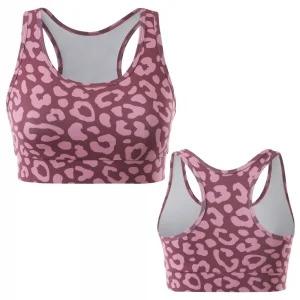
Racerback designs are particularly popular in high-support sports bras because they improve weight distribution and reduce strap slippage during workouts. Cross-back and reinforced back panels also add stability and improve posture.
Manufacturers often test different strap configurations to determine which designs offer the best combination of comfort and support.
Importance of Stitching and Construction
The construction techniques used in sports bra manufacturing directly impact the durability and support of the garment. Reinforced stitching ensures that seams remain strong even during high-impact activities.
Flatlock stitching is widely used because it reduces friction and prevents skin irritation during workouts. Seamless construction is also becoming increasingly popular, as it provides a smoother fit and enhances comfort.
Reliable clothing manufacturers in pakistan often use advanced machinery and quality control processes to ensure that each sports bra meets international performance standards.
Breathability and Ventilation Features
Modern sports bras often include ventilation features that improve airflow during exercise. Mesh panels and breathable fabrics help regulate body temperature and prevent overheating.
Strategically placed ventilation zones allow air to circulate around high-sweat areas, making workouts more comfortable. These features are especially important for high-intensity training sessions where heat and moisture buildup can affect performance.
By working with experienced sports apparel suppliers, brands can incorporate innovative ventilation solutions that enhance both performance and comfort.
Customization for Different Market Needs
Sports bra manufacturing often requires customization to meet the needs of different markets. Some customers prioritize high-performance athletic wear, while others prefer stylish designs suitable for everyday wear.
Manufacturers offer options such as adjustable padding, removable cups, and unique color combinations to meet diverse consumer preferences. These customization features help brands create products that stand out in a competitive activewear market.
An experienced activewear clothing manufacturer can provide design flexibility, enabling brands to launch collections that appeal to various fitness communities.
Quality Testing and Performance Standards
Before sports bras reach the market, they must undergo quality testing to ensure they provide the intended support level. Testing procedures may include stretch tests, durability tests, and moisture management evaluations.
Support testing often involves simulating physical movement to measure how well the bra reduces bounce during activity. These tests help manufacturers refine their designs and improve overall product performance.
Trusted sports bra wholesale suppliers understand the importance of maintaining strict quality standards to meet the expectations of international buyers and fitness professionals.


