

Medical Centre for Comprehensive Healthcare Services

A medical centre is a facility that provides a wide range of healthcare services under one roof, including consultations, diagnostics, treatments, and preventive care. Staffed with qualified doctors, nurses, and support personnel, medical centres cater to patients of all ages and medical needs. They offer convenient access to quality healthcare, ensuring timely diagnosis, effective treatment, and continuous follow-up for better overall health and well-being.
Understanding What a Medical Centre Offers
A Medical Centre serves as a centralized facility that provides a wide range of healthcare services, from routine checkups to specialized treatments. It combines outpatient consultations, diagnostic tests, preventive care, and sometimes minor surgical procedures under one roof. The primary goal of a Medical Centre is to deliver efficient, coordinated, and high-quality healthcare to patients while minimizing delays and unnecessary hospital visits. Patients benefit from the convenience of having multiple services accessible in one location, ensuring continuity of care and facilitating comprehensive health management.
Types of Services Provided
Medical Centres offer diverse services tailored to the needs of the community they serve. Primary care consultations allow for routine health monitoring, early disease detection, and management of chronic conditions. Specialty services may include cardiology, endocrinology, dermatology, pediatrics, gynecology, and orthopedics, ensuring that patients receive expert attention for specific medical concerns. Diagnostic facilities within a Medical Centre provide blood tests, imaging, and other laboratory services, allowing for accurate assessments and timely interventions. Preventive care programs, vaccination drives, health education, and wellness counseling further enhance the scope of services, promoting overall health and early detection of potential health issues.
Benefits of Visiting a Medical Centre
One of the main advantages of a Medical Centre is the integration of multiple healthcare services in a single, accessible location. This approach reduces the need for patients to travel to multiple facilities, improving convenience and adherence to treatment plans. Coordinated care ensures that medical records, test results, and treatment plans are shared among different specialists, enhancing accuracy and efficiency. Patients also benefit from the availability of modern equipment, trained staff, and standardized procedures that maintain high-quality care. Additionally, centralized facilities often provide a more structured and supportive environment for patients, improving overall satisfaction and healthcare outcomes.
Factors to Consider When Choosing a Medical Centre
Selecting the right Medical Centre involves evaluating several critical factors. Accreditation and licensing confirm that the facility meets national and international standards for healthcare quality and safety. Staff expertise, including qualifications and experience, is essential for providing reliable care. Availability of specialized services, modern equipment, and diagnostic capabilities enhances the scope of treatment options. Patients should also consider accessibility, operational hours, insurance coverage, and patient support services to ensure convenience and affordability. Visiting the facility, interacting with staff, and observing patient management processes provide valuable insight into the overall quality of care.
Role of Technology in Modern Medical Centres
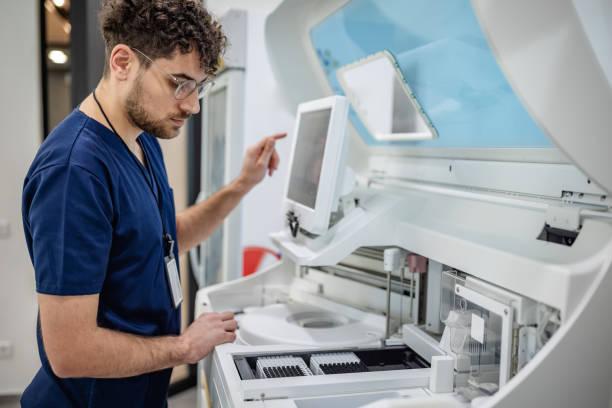
Technological advancements have transformed the way Medical Centres deliver care, improving diagnostic accuracy, treatment efficiency, and patient convenience. Electronic health records enable seamless information sharing between departments, reducing errors and enhancing communication. Advanced imaging systems, laboratory automation, and telemedicine capabilities allow patients to access specialized care remotely or receive rapid test results. Integration of digital tools for appointment scheduling, reminders, and follow-up consultations streamlines patient management, saving time and reducing administrative burdens. Facilities that embrace technology tend to offer higher efficiency, improved accuracy, and a more patient-centered approach to healthcare.
Common Challenges and Solutions
While Medical Centres provide comprehensive care, patients may face challenges such as long waiting times, communication gaps, or difficulty navigating multiple services. These issues can be addressed by choosing facilities with streamlined appointment systems, patient education programs, and clear communication protocols. Developing a care plan that outlines treatment objectives, follow-up schedules, and points of contact ensures continuity and clarity. Patients and families should also seek facilities that offer transparent pricing, support services, and guidance for managing insurance claims. Proactive involvement, combined with a well-organized Medical Centre, minimizes challenges and maximizes the effectiveness of healthcare services.
Ensuring Safety and Quality Standards
Safety and quality are critical considerations in any Medical Centre. Facilities adhere to strict hygiene protocols, infection control measures, and standardized procedures to safeguard patient health. Regular audits, staff training, and adherence to clinical guidelines ensure consistent quality of care. Patients can further ensure safety by verifying accreditation, reviewing patient feedback, and confirming that emergency protocols are in place. Collaborative communication between healthcare providers and patients strengthens accountability and maintains high standards, ensuring that medical interventions are both safe and effective.
Preventive Healthcare and Wellness Programs
Medical Centres increasingly emphasize preventive healthcare and wellness programs to reduce the risk of chronic diseases and promote long-term health. Routine screenings, vaccination campaigns, lifestyle counseling, and health education initiatives enable early detection and proactive intervention. Patients benefit from structured monitoring of blood pressure, cholesterol levels, blood sugar, and other key health indicators, allowing timely adjustments to treatment plans. Incorporating preventive care into routine visits enhances patient outcomes, reduces complications, and supports a healthier community overall.
Future Trends in Medical Centres
The future of Medical Centres is shaped by technological innovation, patient-centered care models, and integrated healthcare networks. Expansion of telemedicine, AI-assisted diagnostics, and mobile health applications is increasing accessibility and convenience for patients. Specialized programs for chronic disease management, mental health support, and rehabilitation services are being integrated into comprehensive care models. The focus on preventive care, personalized treatment plans, and real-time health monitoring reflects an evolving approach to healthcare delivery that prioritizes patient outcomes and efficiency.
Frequently Asked Questions
What services can I expect at a Medical Centre?
Medical Centres provide primary and specialized consultations, diagnostic testing, preventive care, minor procedures, and wellness programs tailored to community needs.
How do I choose the right Medical Centre for my family?
Evaluate accreditation, staff expertise, range of services, accessibility, patient support, and feedback from other patients.
Are Medical Centres covered by insurance?
Most accredited Medical Centres accept insurance plans, but coverage may vary depending on services and policy terms.
Can I access specialized services at a Medical Centre?
Yes, many centres offer specialty care in cardiology, orthopedics, dermatology, pediatrics, and other medical fields.
Is it necessary to visit a Medical Centre regularly?
Routine visits are recommended for preventive care, chronic disease management, and early detection of potential health issues.
Conclusion
A Medical Centre provides comprehensive, coordinated, and high-quality healthcare services that improve patient outcomes, convenience, and satisfaction. By integrating multiple specialties, diagnostic capabilities, and preventive programs, these facilities support overall health and timely medical intervention. Patients benefit from modern technology, trained staff, and structured care protocols, ensuring safe and effective treatment. For those looking for trusted healthcare facilities and expert medical services, Chughtailab offers a network of Medical Centres designed to meet diverse healthcare needs. To Learn More about available services and plan personalized care for you or your family, visit their service page.


