

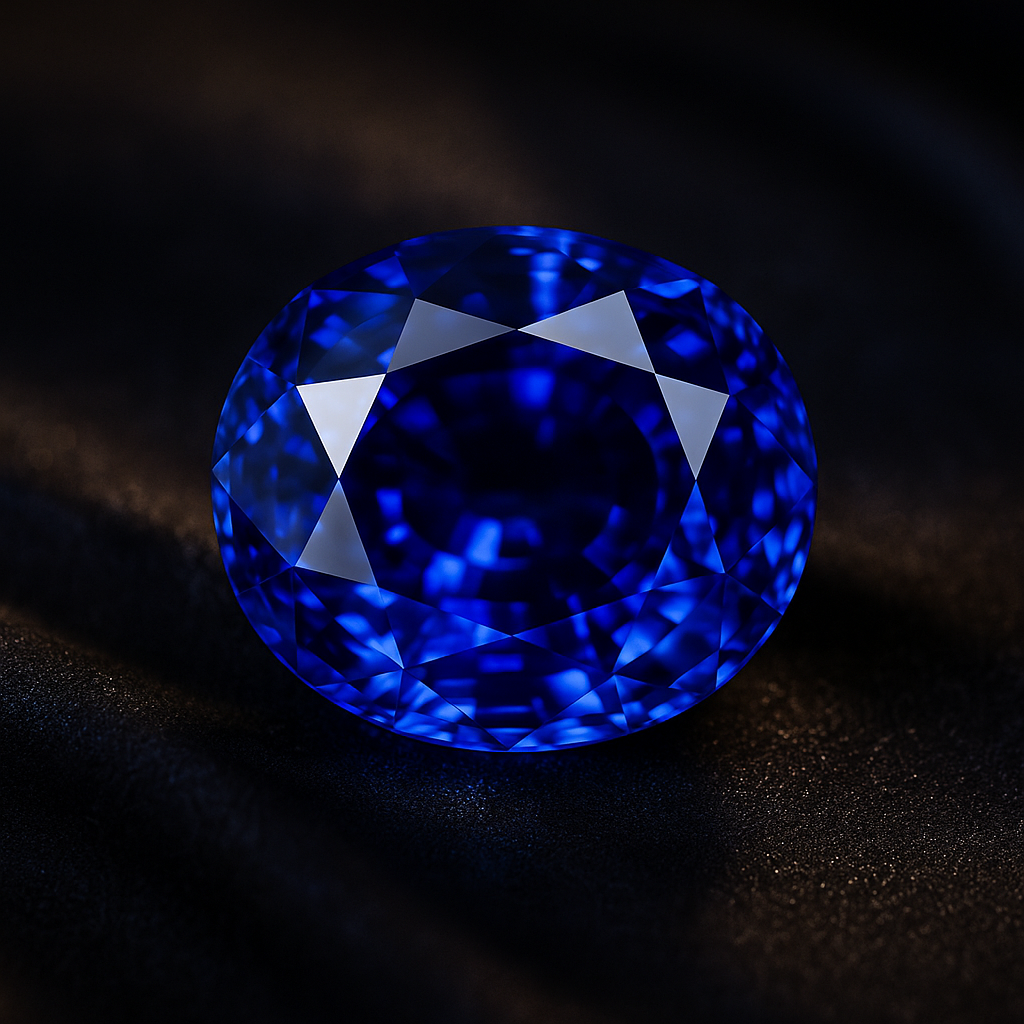
Ceylon Sapphire – The Timeless Blue Treasure of Sri Lanka

For centuries, gemstones have been admired for their beauty, rarity, and symbolism. Among them, the Ceylon Sapphire stands apart as one of the most stunning and desirable gems in the world. Originating from Sri Lanka, formerly known as Ceylon, this sapphire variety is known for its vibrant shades, exceptional clarity, and historical prestige. Whether worn as fine jewelry, used in astrology, appreciated by collectors, or valued as an investment, this gem carries deep cultural, emotional, and financial significance.
In this article, we will explore the Ceylon Sapphire in detail—its history, formation, characteristics, benefits, use cases, identification methods, market trends, and more. You’ll also discover why it remains one of the most respected and sought-after gemstones today.
What Makes Ceylon Sapphire Special?
Sri Lanka has been mining gemstones for over 2,500 years. The country is often referred to as “The Island of Gems”, and its sapphires are considered among the finest globally. The Ceylon Sapphire is valued for:
-
Naturally vivid blue tones
-
High transparency and brilliance
-
Minimal treatments compared to other origins
-
Long-standing historical reputation
-
Strong demand in global markets
These unmatched qualities help explain why collectors, royal families, and jewelry brands deeply treasure it.
The Natural Formation of Ceylon Sapphire
The creation of sapphire takes millions of years. Deep underground, intense heat and pressure crystallize aluminum oxide, forming corundum—the mineral base of sapphire. Trace elements like iron and titanium provide the blue color. Over geological time, tectonic shifts push these crystals nearer the earth’s surface where they are discovered in Sri Lanka’s gem-rich areas such as:
-
Ratnapura
-
Elahera
-
Balangoda
-
Kataragama
Physical Characteristics of Ceylon Sapphire
This precious gemstone is admired for:
-
Hardness: 9 on Mohs scale, making it extremely durable
-
Color: Vibrant cornflower blue to deep royal blue
-
Clarity: Often very clear with minimal inclusions
-
Brilliance: Strong light reflection and sparkle
These traits make it perfect for everyday wear, engagement rings, and high-value jewelry pieces.
Why Collectors Prefer Ceylon Sapphire
Collectors across the world chase these remarkable sapphires due to:
-
Proven origin authenticity
-
Long-lasting value stability
-
Scarcity of top-grade stones
-
Royal family associations (e.g., Princess Diana’s engagement ring design inspiration)
Benefits and Uses of Ceylon Sapphire
In Jewelry
This gemstone is widely used in:
-
Engagement and wedding rings
-
Earrings
-
Necklaces
-
Bracelets
-
Luxury watches
Its durability allows it to retain shine and structure even after decades.
In Astrology and Spiritual Beliefs
In Vedic astrology, blue sapphire is linked to planet Saturn (Shani). The Ceylon Sapphire is considered effective for:
-
Improving focus and mental clarity
-
Attracting wealth and career growth
-
Enhancing discipline and stability
-
Providing protection from negativity
Many people prefer Ceylon origin stones due to their purity and beneficial symbolism.
As an Investment
Ceylon sapphires are also purchased as assets because:
-
Their value appreciates over time
-
Global demand is stable
-
Rare stones fetch high prices at auctions
Popular Varieties Related to Ceylon Sapphire
Though blue is the best-known shade, Sri Lanka also produces:
-
Pink sapphire
-
Yellow sapphire
-
Padparadscha sapphire (rare peach-orange tone)
-
White sapphire
Each variety holds its own significance in jewelry and astrology.
How to Identify Genuine Ceylon Sapphire
Before purchasing, consider these criteria:
Authentic Color Tone
-
Pure medium to deep blue
-
Uniform coloration
-
No dull grey or black overtones
Clarity and Sparkle
-
Good transparency
-
Minimal visible marks
-
Strong brightness under light
Certification
Always insist on lab reports from:
-
GIA
-
IGI
-
GRS
-
SSEF
Certificates confirm treatment status and origin authenticity.
Treatments Applied to Ceylon Sapphire
Many sapphires can undergo treatment to improve color and clarity. However, top-grade Ceylon stones often need minimal enhancement. Common practices include:
-
Heat treatment (accepted and stable)
-
No-heat stones commanding premium prices
Untreated sapphires are exceptionally rare and highly valuable.
Global Demand for Ceylon Sapphire
Countries with strong demand include:
-
USA
-
UK
-
Switzerland
-
UAE
-
China
Luxury jewelers and auction houses consistently feature Sri Lankan sapphires, reinforcing their international prestige.
Why Jewelry Makers Love Ceylon Sapphire
Ease of Cutting
Sri Lanka’s sapphires have fewer cracks, making cutting easier and reducing waste.
Versatile Styling Options
Whether set in yellow gold, white gold, rose gold, or platinum, the stone harmonizes beautifully with all metals.
Symbolism of Ceylon Sapphire
In many cultures, these gems represent:
-
Loyalty
-
Honesty
-
Royal elegance
-
Serenity
-
Wisdom
This symbolism is why sapphire rings are popular for engagement proposals.
Astrology Cautions
Though widely considered beneficial, astrologers suggest:
-
Testing the gem before wearing
-
Selecting the right weight
-
Using correct placement for rings
Professional consultation enhances its believed benefits.
Market Pricing and Value of Ceylon Sapphire
Prices depend on:
-
Color saturation
-
Clarity
-
Cut quality
-
Treatment status
-
Carat size
Top-grade sapphires can cost thousands to millions of dollars per stone.
How to Care for Your Ceylon Sapphire
To maintain shine:
-
Clean with warm water and mild soap
-
Use a soft brush
-
Avoid harsh chemicals
-
Store in soft fabric boxes
Why You Should Consider Owning a Ceylon Sapphire
This gem is ideal for you if you want:
-
A meaningful engagement ring
-
A collectible asset
-
A spiritual talisman
-
A timeless heirloom
Its durability ensures it can be passed through generations.
Quick Buying Checklist
✓ Check certification
✓ Inspect color and clarity
✓ Ask about heat treatment
✓ Compare origin pricing
✓ Buy from reputable dealers
FAQs
1. What is a Ceylon Sapphire?
It is a high-quality sapphire mined in Sri Lanka, known for its radiant blue color and gemstone purity.
2. Why does Ceylon Sapphire cost more than other sapphires?
Due to its rarity, strong color, minimal inclusions, and historical reputation, it commands premium pricing.
3. How can I identify a real Ceylon Sapphire?
Look for certification, consistent color, strong brilliance, and reputable sellers.
4. Is Ceylon Sapphire good for engagement rings?
Yes, it is durable, elegant, and symbolically associated with loyalty and love.
5. Does Ceylon Sapphire benefit astrology?
Many believe it strengthens discipline, focus, and career growth, especially when linked with planet Saturn.
6. What is the best color for a Ceylon Sapphire?
Cornflower blue and royal blue are among the most desired shades.
7. Are untreated Ceylon Sapphires rare?
Yes, untreated stones are very rare and much more expensive.
8. How often should I clean my sapphire jewelry?
Cleaning every few weeks ensures maximum shine and brilliance.
Final Thoughts
The Ceylon Sapphire is truly a gemstone of heritage, beauty, and meaning. Whether you value jewelry design, spirituality, investment potential, or natural elegance, this stone delivers unmatched charm. Its historical roots, deep symbolism, long life, and majestic beauty justify its timeless fame.
Owning a Ceylon sapphire isn’t just purchasing a gem—it is acquiring a piece of Earth’s history that holds emotional worth, cultural depth, and financial reliability.