

DVR vs NVR – What’s the Difference in CCTV Recording Systems?
When building a reliable surveillance system, one of the most important decisions is choosing between a DVR and an NVR. Both devices are used to record video footage from surveillance cameras, but they work in very different ways. Understanding these differences can help homeowners, shop owners, and businesses select the right solution for their security needs.
As surveillance technology continues to improve, many users are upgrading from traditional analog systems to smarter and more advanced recording solutions. Whether you are setting up a small home monitoring system or managing a large commercial property, choosing the correct recorder directly affects video quality, storage efficiency, and overall system performance.
In this guide, we will explain what DVR and NVR systems are, how they work, their advantages, disadvantages, and which option may be better for your property.
What Is a DVR?
DVR stands for Digital Video Recorder. It is commonly used with analog CCTV cameras and records video footage after receiving signals through coaxial cables.
In a DVR setup, the cameras capture analog video signals and send them to the recorder. The DVR then processes, compresses, and stores the footage on a hard drive.
DVR systems have been used for many years and are still popular because they are affordable and reliable for basic surveillance needs.
Many people researching surveillance systems compare the 8 channel dvr price in Pakistan when planning security coverage for medium-sized homes, offices, and retail shops.
What Is an NVR?
NVR stands for Network Video Recorder. Unlike DVR systems, NVRs work with IP cameras that process video internally before sending digital footage through a network connection.
NVR systems use Ethernet cables or wireless connections to communicate with cameras. Since the video is already digitally encoded inside the camera, the NVR mainly handles storage and playback.
NVR technology is considered more modern and flexible, especially for high-resolution surveillance systems and smart security integration.
The Main Difference Between DVR and NVR
Although both systems record surveillance footage, the primary difference lies in how video data is processed and transmitted.
A DVR depends on analog cameras and processes video at the recorder itself. An NVR, on the other hand, works with IP cameras that process video before transmitting it over a network.
This difference affects installation methods, image quality, flexibility, and overall system performance.
How DVR Systems Work
In a DVR system, each camera connects directly to the recorder using coaxial cables. The recorder powers some camera types and handles video conversion from analog to digital format.
The DVR stores footage locally on installed hard drives. Users can access recordings through connected monitors or mobile applications if internet features are enabled.
DVR systems are known for stable operation and are often used where existing analog infrastructure already exists.
How NVR Systems Work
NVR systems operate through network communication. IP cameras connect using Ethernet cables or Wi-Fi and transmit digital video data directly to the recorder.
Some NVR systems support Power over Ethernet (PoE), allowing both power and data transmission through a single cable. This simplifies installation and reduces wiring complexity.
Wireless NVR setups are also becoming popular because they allow easier expansion and remote accessibility.
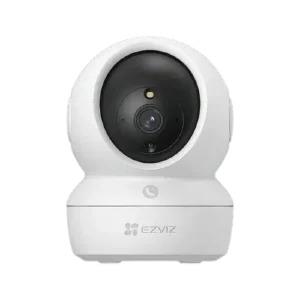
Many smart surveillance products, including the EZVIZ H7c Dual 2K, are designed to integrate effectively with modern IP-based security environments.
Video Quality Comparison
One of the biggest differences between DVR and NVR systems is video quality.
DVR Video Quality
Traditional DVR systems usually support lower resolutions because analog cameras have limitations in image processing and transmission.
Although modern HD analog cameras have improved significantly, DVR systems may still struggle to match the clarity offered by advanced IP surveillance setups.
NVR Video Quality
NVR systems generally provide better image quality because IP cameras can capture higher-resolution video with advanced processing capabilities.
Modern IP cameras support features such as:
-
2K and 4K recording
-
Wide dynamic range
-
Smart motion detection
-
Facial recognition
-
Improved night vision
This makes NVR systems ideal for properties requiring detailed monitoring and evidence collection.
Installation Differences
Installation is another major factor when comparing DVR and NVR systems.
DVR Installation
DVR systems require separate cables for video transmission and camera power unless special cable types are used.
This can make installation more time-consuming, especially for large properties.
However, many technicians are already familiar with analog CCTV installations, making DVR systems easier to maintain in traditional setups.
NVR Installation
NVR systems are often easier to install because they use network cables that can carry both power and data.
Wireless IP cameras further simplify installation since they reduce the need for extensive cabling.
For modern homes and offices, NVR systems offer greater flexibility and scalability.
Storage and Data Management
Both DVR and NVR systems store footage on internal hard drives, but NVR systems usually handle data more efficiently.
Since IP cameras process video before sending it to the recorder, NVR systems can optimize bandwidth usage and improve overall recording performance.
Cloud storage integration is also more common in modern NVR solutions.
Remote Viewing and Smart Features
Modern surveillance users expect remote monitoring through smartphones and tablets.
DVR Remote Access
Many DVR systems now support remote viewing through mobile apps, but smart functionality may be somewhat limited depending on the system model.
NVR Smart Integration
NVR systems are generally better suited for smart home and smart office integration.
They often support features such as:
-
AI-based alerts
-
Smart motion zones
-
Voice assistant compatibility
-
Cloud notifications
-
Remote playback
-
Multi-device access
This level of flexibility is highly valuable for users who want complete control over their surveillance systems from anywhere.
Cost Comparison
Budget is one of the most important considerations when selecting a recording system.
DVR Costs
DVR systems are usually more affordable because analog cameras and components cost less than IP-based equipment.
For users needing basic surveillance coverage without advanced smart features, DVR systems remain a cost-effective option.
Many buyers specifically search for the 8 channel dvr price in pakistan because it offers practical recording capacity for medium-sized installations.
NVR Costs
NVR systems generally cost more due to advanced IP cameras and networking technology.
However, the higher price often comes with better image quality, future scalability, and smarter security features.
Over time, many users consider NVR systems a better long-term investment.
Which System Is Better for Homes?
For smaller homes or budget-conscious users, DVR systems may provide sufficient security coverage.
However, homeowners looking for smart monitoring, mobile alerts, and higher video quality often prefer NVR systems.
Wireless IP cameras have become especially popular in residential environments because they offer easier installation and modern functionality.
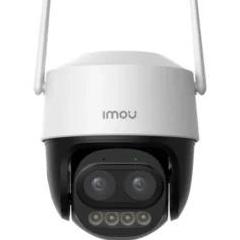
When selecting indoor or outdoor monitoring solutions, users often compare different security cameras to ensure compatibility with their chosen recorder system.
Which System Is Better for Businesses?
Businesses usually require scalable and high-performance surveillance systems. In such cases, NVR systems are often the preferred choice.
Large offices, warehouses, shopping centers, and commercial buildings benefit from:
-
Higher-resolution recordings
-
Advanced analytics
-
Easier network expansion
-
Better remote access
-
Centralized management
DVR systems may still work well for smaller shops and basic business monitoring needs.
Future of Surveillance Recording Systems
The surveillance industry is steadily moving toward IP-based technologies. As internet speeds improve and smart security becomes more accessible, NVR systems are becoming increasingly dominant.
Features such as AI analytics, cloud storage, facial recognition, and smart automation continue to push the market toward network-based surveillance solutions.
Still, DVR systems remain relevant because they are affordable, dependable, and suitable for many traditional security environments.


