


What Is Moral Ambiguity in American Crime Movies?
Moral ambiguity has become one of the defining artistic signatures of American Crime Movies, especially in the late 20th and 21st centuries. Rather than presenting clean lines between heroes and villains, these films frequently inhabit the blurry boundary where noble intentions clash with corrupt actions, and where criminals reveal more humanity than the supposed moral authorities who pursue them. This thematic complexity has allowed filmmakers to reflect society’s shifting attitudes toward justice, corruption, and personal responsibility. By examining notable works, we can understand how moral ambiguity functions not only as a narrative technique but also as a cultural commentary on American identity and its relationship with power, law, and ethics.
The Foundations of Moral Ambiguity in Crime Storytelling
The Historical Roots of Ethical Uncertainty in Crime Cinema
Moral ambiguity in American Crime Movies did not appear spontaneously. Its foundations emerged from earlier cinematic movements, particularly film noir, which portrayed antiheroes, morally compromised detectives, and criminals who often lived by their own codes. These noir narratives explored the psychological weight of guilt, temptation, and moral conflict, offering a precursor to the sophisticated ambiguity seen in modern films.
As societal trust in institutions declined—especially after events such as Watergate, the Vietnam War, and the economic upheavals of the late 1970s—audiences became more receptive to stories where law enforcement, political figures, and even community leaders were exposed as flawed, corrupt, or ethically conflicted. Crime films adapted, shifting from clear-cut morality to narratives where characters operated according to personal rather than universal codes.
Why Modern Audiences Gravitate Toward Ethical Complexity
Contemporary moviegoers often seek stories that reflect the real world’s contradictions, rather than simplistic moral narratives. This shift has made morally ambiguous crime films uniquely appealing. Viewers are drawn to the tension created when protagonists act in ways that challenge conventional ideas of right and wrong. The emotional complexity that results invites audience introspection, compelling them to consider their personal definitions of justice, loyalty, and survival.
Character Complexity and the Blurring of Good and Evil
Sympathetic Criminals as Emotional Anchors
One of the most powerful tools used in American Crime Movies is the portrayal of criminals as sympathetic figures. In films like Heat, Michael Mann presents professional thieves such as Neil McCauley not as cold-hearted villains but as individuals with their own moral codes, emotional vulnerabilities, and personal dreams. McCauley’s strict principles—particularly his rule to never let anything get in the way of walking out at a moment’s notice—create a character who seems disciplined yet emotionally distant, making audiences question whether he is a product of choice or circumstance.
Similarly, Martin Scorsese’s Goodfellas depicts gangsters not as faceless criminals but as charismatic, relatable, and sometimes surprisingly ordinary individuals. Henry Hill’s rise in the criminal underworld unfolds not as a moral lesson but as a seductive journey, allowing viewers to understand the allure of power and belonging even while condemning its consequences.
Flawed Heroes and Corrupt Systems
Just as criminals are humanized, heroes in morally ambiguous films are often deeply flawed or compromised. Training Day exemplifies this approach, portraying Denzel Washington’s character, Detective Alonzo Harris, as both a charismatic mentor and a corrupt manipulator. The film challenges viewers to navigate their reactions to Alonzo’s simultaneous competence and cruelty, ultimately revealing a system where moral lines are routinely blurred.
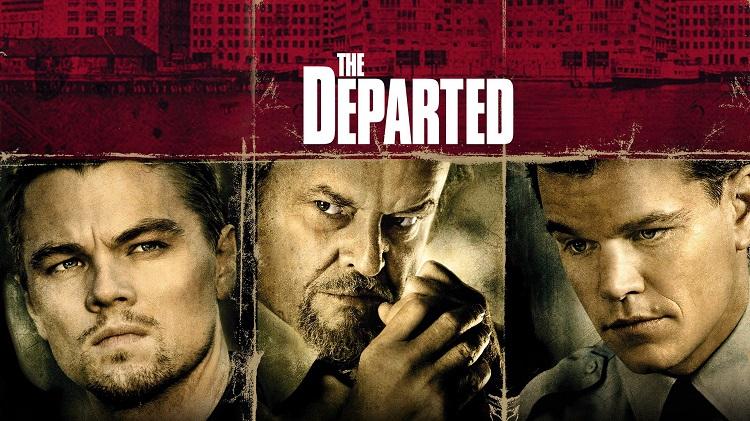
Similarly, in The Departed, law enforcement officers and criminals mirror one another, each using deceit and violence to achieve their goals. The film asks whether integrity is even possible within systems built on secrecy and coercion. These types of narratives destabilize classic hero archetypes, revealing that morality is often negotiated, not predetermined.
The Narrative Techniques That Create Ambiguity
Ambiguous Endings That Resist Definitive Answers
Moral ambiguity is often reinforced through endings that provide no clear resolution. Films such as No Country for Old Men deny audiences the satisfaction of justice or closure. Anton Chigurh’s survival and the sheriff’s inability to comprehend the violence around him suggest that the world defies moral logic. This refusal to offer tidy conclusions mirrors the unpredictability of real life and challenges audiences to grapple with their moral expectations.
In Chinatown, the devastating final line—“Forget it, Jake. It’s Chinatown”—captures the thematic heart of moral ambiguity: the recognition that corruption is too deeply embedded to be solved by a single heroic action. These endings force viewers to sit with discomfort, acknowledging that justice is not guaranteed and that ethical clarity may be impossible.
Multiple Perspectives That Challenge Viewer Allegiances
Another technique is the use of shifting perspectives to complicate audience loyalty. Quentin Tarantino’s Reservoir Dogs employs interwoven backstories, allowing viewers to empathize with characters who, on the surface, appear ruthless. By revealing their fears, betrayals, and personal codes, the film complicates moral judgments.
Likewise, The Godfather series frames the Mafia as a deeply family-oriented institution. Despite their violent actions, the Corleones’ values of loyalty and tradition make them compelling figures. This narrative strategy highlights the tension between familial devotion and moral wrongdoing, drawing viewers into an ethically complex space.
The Social Commentary Embedded in Moral Ambiguity
Crime Films as Reflections of Institutional Distrust
Many morally ambiguous crime films serve as critiques of institutions such as government, police forces, and corporate entities. Serpico, for example, exposes systemic corruption within the New York Police Department, presenting a protagonist who must navigate a world where the very institution meant to uphold justice is compromised.
In American Gangster, the interplay between law enforcement and organized crime reveals the interconnectedness of corruption across social structures. By portraying institutions as unreliable or ethically compromised, these films reflect widespread public anxieties and force audiences to question their assumptions about authority.
Ethical Gray Areas and the Complexity of Human Motivation
The greatest strength of moral ambiguity in American Crime Movies lies in its ability to reveal the layered motivations behind criminal behavior. Characters commit crimes out of desperation, trauma, loyalty, or ambition—not simply malice. This approach challenges the audience to look beyond surface actions and examine the psychological, social, and economic forces that shape moral decisions.
Films such as A History of Violence demonstrate how suppressing or confronting one’s violent nature can redefine identity and relationships. The protagonist’s struggle reflects the broader human tension between past mistakes and future aspirations.
The Cinematic Devices That Support Ethical Complexity
Visual Atmosphere and Tone
Cinematography plays a vital role in enhancing moral ambiguity. Dark lighting, shadowed environments, and muted color palettes evoke tension and uncertainty. This aesthetic, often inspired by noir traditions, mirrors the psychological states of the characters and reinforces the ethical ambiguity embedded in the narrative.
Sound Design and Minimalist Scores
Many crime films use sparse or haunting musical scores to enhance tension. The absence of dramatic musical cues prevents audiences from being guided toward a fixed moral viewpoint, allowing them to interpret scenes based on personal judgment. This auditory neutrality amplifies the themes of confusion and moral conflict.
Conclusion: The Enduring Power of Ethical Ambiguity
Moral ambiguity is more than a stylistic choice in American Crime Movies. It is a narrative force that challenges audiences to confront the limits of their moral frameworks. By presenting criminals as relatable, heroes as flawed, and institutions as compromised, these films reveal the intricate web of motives that drive human behavior. They resist simplistic moral binaries and instead offer stories grounded in complexity, uncertainty, and realism.
As long as society continues to grapple with questions about justice, power, and human nature, morally ambiguous crime films will remain a vital and compelling part of American cinema—reminding us that the line between right and wrong is often far less clear than we imagine.
 Portuguese (Brazil)
 English
 Arabic
 French
 Spanish
 Portuguese
 Deutsch
 Turkish
 Dutch
Dutch
 Italiano
 Russian
 Romaian
 Greek
Greek