


Why Does a Fuel Pressure Gauge Spike During Acceleration Events?
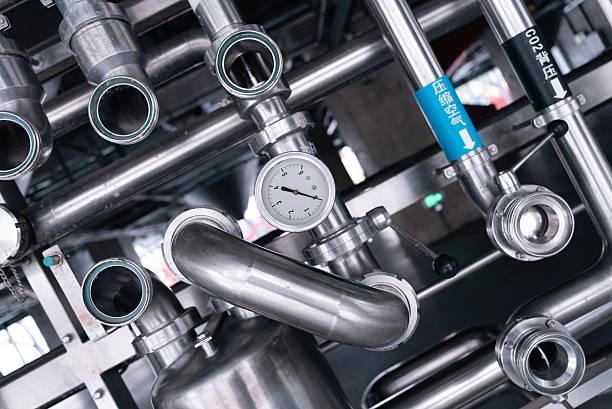
Understanding the behavior of a fuel pressure gauge under dynamic driving conditions is essential for diagnosing fuel system performance, identifying potential issues, and ensuring an engine receives the correct amount of fuel for every throttle demand. Many drivers and technicians notice that fuel pressure sometimes spikes during acceleration, rising rapidly before settling back into its expected range. While this can be concerning at first glance, the explanation lies in the complex interactions between fuel pumps, regulators, injectors, and the engine’s shifting load demands. This article explores the fundamental reasons for fuel pressure spikes during acceleration, the mechanical principles behind them, and when such behavior is normal versus indicative of a serious problem.
Understanding the Basics of Fuel Pressure Behavior
How Pressure Varies in a Fuel Delivery System
Fuel delivery systems are designed to maintain consistent pressure so that injectors can supply an accurate amount of fuel regardless of engine speed or load. Under steady-state driving, the fuel pressure gauge should show only small fluctuations, because the regulator and pump work together to stabilize the system.
However, acceleration is not a steady-state condition. When the throttle opens, air intake increases rapidly, fuel demand spikes, and the fuel system must adapt instantaneously. These sudden transitions can cause momentary pressure changes that appear as spikes on a sensitive gauge.
The Role of the Fuel Pump in Dynamic Pressure Changes
Most modern vehicles use electric fuel pumps capable of delivering more fuel than the engine requires. This ensures a safety margin, helping maintain pressure when demand sharply increases. During acceleration events, especially hard acceleration, the pump may temporarily deliver fuel faster than the regulator can compensate. This is one of the most common reasons the fuel pressure gauge briefly spikes before stabilizing.
Mechanical Factors Behind Fuel Pressure Spikes
Sudden Increases in Engine Load
Acceleration places an immediate load on the engine. As the throttle opens, airflow increases, vacuum drops, and the air-fuel mixture must be enriched to maintain combustion efficiency. The fuel pressure regulator, often vacuum-referenced, adjusts pressure relative to intake manifold conditions.
When manifold vacuum decreases during acceleration, the regulator increases fuel pressure. This is intentional, ensuring the injectors deliver the extra fuel needed. The result is a short-lived rise shown clearly on a responsive fuel pressure gauge.
Fuel Pressure Regulators and Their Timed Response
Even well-functioning regulators require a fraction of a second to adjust pressure. This delay is normally imperceptible, but a gauge—especially a high-resolution or liquid-filled one—can display very brief spikes. These reflect the mechanical lag within the diaphragm, spring, and internal flow passages of the regulator.
If the regulator is aging or restricted by contaminants, the lag becomes more pronounced, causing more noticeable pressure spikes. Therefore, while brief spikes are normal, prolonged or extreme spikes may signal the start of regulator failure.
Fuel Pump Performance and Transient Spikes
Pump Overrun and High Initial Output
Electric fuel pumps begin ramping up output as soon as demand increases. Some pumps exhibit a natural overshoot, delivering more pressure for a split second before stabilizing. Performance pumps, commonly used in modified engines, exaggerate this phenomenon because they are designed to outperform factory flow requirements.
During acceleration, especially wide-open throttle events, the pump’s effort to maintain adequate supply may briefly overshoot the target, causing the fuel pressure gauge to rise above its typical level.
Restrictions in the Return Line
In return-type fuel systems, excess fuel flows back to the tank through a return line. If this line becomes partially blocked, pressure cannot bleed off as quickly as it should when the pump output rises. This leads to temporary pressure spikes during acceleration.
Common causes of restrictions include debris, kinked hoses, and aging components. In such cases, spikes tend to last longer and appear more exaggerated compared to normal, short-lived pressure changes.
Engine Vacuum and Its Influence on Fuel Pressure
Vacuum-Referenced Regulators During Load Changes
Most regulators adjust fuel pressure based on intake manifold vacuum. When vacuum decreases, the regulator increases pressure to maintain the correct injector differential pressure. During acceleration, vacuum drops rapidly, leading to a sharp but expected pressure increase.
This connection means a drop in vacuum during acceleration directly influences gauge readings. On vehicles with turbochargers or superchargers, the effect is amplified due to the rapid transition from vacuum to boost.
The Role of Intake Dynamics
Acceleration modifies airflow, throttle plate position, and manifold conditions. All these contribute to pressure fluctuations. A sensitive gauge can capture the rapid oscillations that occur before the system stabilizes. These oscillations are not failures but natural consequences of mechanical and fluid-dynamic processes.
Fuel Injector Demand and System Response
Increased Injector Pulse Width
During acceleration, injector pulse width increases substantially. Even though the injectors are drawing more fuel, the pump compensates quickly, and the regulator adjusts accordingly. The coordination between pump output and regulator control sometimes produces a momentary imbalance, appearing as a short spike on the fuel pressure gauge.
Flow Stabilization in High-Demand Conditions
Once acceleration steadies and engine speed stabilizes, fuel pressure generally returns to normal. This shows that the system is functioning properly, and the brief spike reflects transitional behavior rather than a fault.
When Fuel Pressure Spikes Are Signs of a Problem
Excessively High or Prolonged Spikes
While short spikes are normal, prolonged spikes or readings that remain abnormally high can indicate a failing regulator, restricted return lines, or a malfunctioning fuel pump. A pressure that continues climbing with throttle input and does not stabilize warrants further inspection.
Erratic Gauge Behavior
If the fuel pressure gauge fluctuates wildly or inconsistently, the issue may lie with the sensor, connection points, or the gauge itself. Mechanical gauges with long hoses can experience harmonic vibrations that look like pressure spikes. Electronic gauges may show erroneous readings if sensors are failing.
Fuel System Contamination
Sediment, varnish, or corrosion inside the fuel system can restrict flow, delaying regulator response and forcing pressure higher than intended during acceleration. In these cases, spikes are more severe and often accompanied by drivability issues.
Conclusion
A fuel pressure gauge spike during acceleration is usually a natural, mechanical reaction to sudden changes in engine load, fuel demand, and pump output. In most cases, short-lived pressure increases reflect the fuel system’s rapid adjustments to ensure proper combustion under dynamic conditions. Vacuum-referenced regulators, pump characteristics, and injector behavior all contribute to the momentary rise in pressure.
However, prolonged or extreme spikes may indicate problems such as restricted return lines, aging regulators, contaminated components, or pump malfunctions. Understanding the interplay between these mechanical elements allows technicians and enthusiasts to distinguish normal transitional spikes from developing faults. By monitoring fuel pressure behavior closely, one can maintain engine performance, prevent failures, and ensure safe, efficient operation under all driving conditions.

 Arabic
 French
 Spanish
 Portuguese
 Deutsch
 Turkish
 Dutch
Dutch
 Italiano
 Russian
 Romaian
 Portuguese (Brazil)
 Greek
Greek