


What Are the Different Types of Soprano Saxophones?
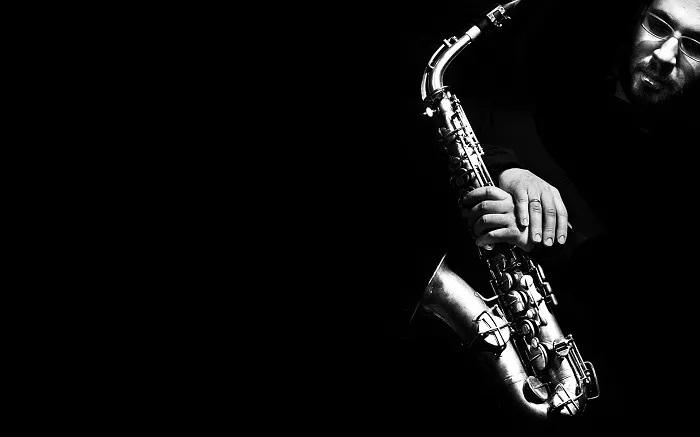
The world of Soprano Saxophones is far richer and more diverse than many musicians initially realize. While the soprano sax is often associated with its straight, clarinet-style appearance, it actually exists in several forms, each with its own sound profile, ergonomic feel, and playing characteristics. These variations influence tone, projection, tuning stability, and even how the instrument blends within ensembles. Whether a musician is choosing their first soprano or searching for a specialized professional model, understanding the differences between soprano saxophone types is essential.
This article explores the primary soprano saxophone designs, their historical development, acoustic traits, advantages, and how each version fits into different musical settings.
Understanding the Foundations of Soprano Saxophones
The Soprano Sax Within the Saxophone Family
The soprano sax is one of the smallest members of the saxophone family, pitched in B♭, and situated above the alto and tenor in range. Its bright, penetrating tone has made it a favorite in jazz, classical chamber works, solo repertoire, and contemporary fusion genres. While the alto and tenor are more frequently heard, the soprano offers a distinct clarity and emotional expressiveness not replicated by larger saxophones.
Because of its higher pitch and smaller bore, soprano saxophones are more sensitive to embouchure, air pressure, and instrument design. This sensitivity is precisely why multiple variations developed over time, each attempting to improve tuning, ergonomics, and tonal consistency.
The Importance of Design Variations
Unlike other saxophones that mostly follow a standard structure, soprano models vary dramatically in shape and configuration. These differences influence everything from the player’s physical comfort to intonation tendencies and tonal warmth. For some musicians, a particular design unlocks greater ease of play; for others, it offers unique expressive qualities suitable for specific musical contexts.
Main Types of Soprano Saxophones
Straight Soprano Saxophones
The Traditional Straight-Body Design
The straight soprano is the most recognizable form of the instrument. Its body, neck, and bell are all aligned, giving it a clarinet-like silhouette. This version produces a powerful, focused sound that projects exceptionally well. Classical players frequently choose this style because of its precision and clarity.
Straight soprano saxophones are also often favored in recording settings due to their direct tonal quality. The lack of bends in the tube contributes to sharper articulation and brighter overtones. However, this design can be physically demanding, especially during extended performances, because of the posture required to hold the instrument directly in front of the body.
Variations in Straight-Neck Designs
Some straight sopranos feature detachable necks, allowing players to switch between straight and curved neck options. This hybrid approach combines the sonic precision of a straight body with the ergonomic and tonal benefits a curved neck can offer.
Curved Soprano Saxophones
How the Curved Design Alters Tone and Playability
Curved soprano saxophones resemble miniature altos, featuring a fully curved body and bell. This design softens and warms the tone, producing a sound closer to a mellow alto sax while retaining soprano clarity. Many players find curved models easier to manage physically, as the instrument’s weight rests more comfortably against the body.
The curved bore also slightly modifies the instrument’s acoustic profile, allowing for potentially more stable tuning in certain registers. Jazz musicians often appreciate the expressive flexibility of curved designs, which lend themselves well to lyrical phrasing and rich, rounded timbres.
Popularity Among Modern Performers
In recent years, curved soprano saxophones have regained popularity due to their comfort and sound character. Manufacturers have refined keywork and tuning, reducing the intonation issues once associated with early models. Many contemporary jazz artists now switch between straight and curved versions depending on musical needs.
Semi-Curved or "Hybrid" Soprano Saxophones
A Blend of Straight and Curved Characteristics
The semi-curved soprano features a straight body with a slightly curved bell or a curved neck but straight bore. These hybrid models are designed to combine the projection and focus of a straight soprano with some of the ergonomic advantages found in curved versions.
The slight curve in the neck or bell reduces strain on the player’s wrists and shoulders. Additionally, the altered airflow path subtly warms the tone without sacrificing too much clarity. Some players find this version to be the ideal compromise between the two more traditional designs.
Impact on Tone, Comfort, and Tuning
Tonally, semi-curved sopranos sit in the middle of the spectrum. They maintain brightness and clarity but gain a touch of warmth and blendability. Their tuning stability often appeals to musicians who struggle with pitch control on fully straight models but who prefer not to adopt the fully curved design.
Specialized and Rare Soprano Variations
The Saxello and Its Distinctive Shape
The Saxello, invented by King in the early twentieth century, is a straight soprano with a gently curved neck and sharply angled bell. Although not widely produced today, several modern companies manufacture Saxello-style instruments due to renewed interest among jazz musicians.
Its sound is brighter than a curved soprano but warmer and more flexible than a straight model. The angled bell also projects differently, giving it a unique presence in live performances.
The C-Soprano and Other Uncommon Keys
While most Soprano Saxophones are pitched in B♭, rare C-sopranos exist. These instruments were largely discontinued after the early twentieth century but continue to attract collectors and historical-performance musicians. Their tone is lighter and more intimate, though modern repertoire seldom calls for them.
Factors That Influence Choosing Between Soprano Types
Tonal Preference and Musical Genre
Jazz musicians often gravitate toward curved or semi-curved designs due to their warmth and expressive flexibility. Classical performers typically favor straight sopranos for their projecting tone and clear articulation. Contemporary and world-music performers may switch between multiple soprano types depending on the piece’s character.
Ergonomics and Playing Comfort
Because soprano saxophones require precise breath control and embouchure stability, physical comfort is crucial. Players with neck or shoulder strain issues often prefer curved sopranos or hybrid designs. Straight models require a posture that some players find fatiguing over extended sessions.
Tuning Stability and Instrument Responsiveness
The higher the pitch, the more sensitive the instrument becomes to small embouchure and airflow variations. Curved models sometimes help stabilize pitch in the upper register, while straight models excel in accuracy when played by experienced musicians with refined control.
Conclusion
The world of Soprano Saxophones offers a wide variety of designs, each catering to different artistic, ergonomic, and tonal needs. From the bright, focused sound of the straight soprano to the warm, rounded voice of the curved model, the instrument continues to evolve as manufacturers refine acoustics and design. Hybrid systems such as the semi-curved soprano and rare specialty instruments like the Saxello further expand the expressive palette available to musicians.
Understanding these differences empowers players to select the soprano saxophone that aligns best with their musical goals, technical strengths, and personal comfort. As performers explore these variations, they discover that each type carries its own personality, contributing to the rich and diverse soundscape of the soprano saxophone tradition.
 Romaian
 English
 Arabic
 French
 Spanish
 Portuguese
 Deutsch
 Turkish
 Dutch
Dutch
 Italiano
 Russian
 Portuguese (Brazil)
 Greek
Greek