
Women's T20 World Cup 2026: India's Campaign in England
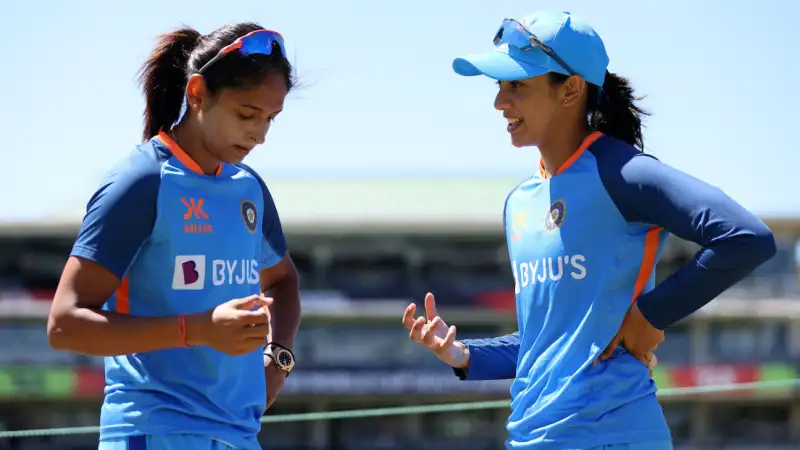
The 2026 Women's T20 World Cup, hosted in England across June and July, has given fans one of the most competitive editions of the tournament in recent memory. India's campaign has drawn particular attention from fans back home, as the side looks to translate years of growing depth in women's cricket into genuine silverware on the world stage.
For Indian cricket fans who have watched women's cricket grow rapidly in visibility and quality over the past several seasons, this World Cup represents a genuine opportunity, and following India's run through the group stage and into the knockouts has been essential viewing throughout the tournament.
This guide breaks down India's campaign so far, the format of the tournament, and the biggest storylines shaping the closing stages in England.
How This Edition Compares to Previous World Cups
Each edition of the Women's T20 World Cup has seen a noticeable jump in overall standard, with more teams now capable of competing deep into the knockout stage compared to earlier tournaments dominated almost exclusively by a small handful of sides. This edition in England has continued that trend, with genuinely competitive matches across the group stage rather than one-sided results.
Attendance figures and broadcast viewership have also grown steadily with each edition, reflecting increased global investment in women's cricket lordexchange infrastructure, domestic franchise leagues, and grassroots development programs across multiple cricketing nations over the past several years.
This growth has raised the overall quality of fielding, tactical planning, and player fitness across the tournament, making matches faster-paced and more closely contested than in editions from just a decade ago.
Key Individual Performances Shaping the Tournament
Individual milestones have added extra storylines throughout the group stage, with several players across different teams delivering standout performances that have shifted match outcomes and, in some cases, entire group standings heading into the knockout rounds.
For India specifically, contributions from both experienced campaigners and newer squad members have been central to the team's progress, reflecting a squad built with genuine depth rather than reliance on just one or two match-winners.
Tournament Format and Structure
The Women's T20 World Cup follows a familiar group-stage format, with teams divided into pools before the top sides advance to the semi-finals and final. Hosting the tournament in England has brought a distinct set of playing conditions, with cooler temperatures and occasionally seam-friendly surfaces compared to the subcontinent, where the tournament has been held in previous editions.
England's grounds, many of which double as venues for men's international cricket, have offered strong facilities and healthy crowd turnouts throughout the group stage, reflecting the growing commercial and fan interest in women's cricket globally.
India's Journey Through the Group Stage
India entered the tournament with genuine title aspirations, backed by a settled core of experienced players alongside emerging talent who have impressed in domestic and franchise women's cricket over recent seasons. Balancing aggressive batting with disciplined bowling has been the team's clear strategic focus throughout the group stage.
Key partnerships in the middle order have been central to India's approach, with the side looking to build totals capable of putting pressure on opposition bowling attacks rather than relying purely on a fast start from the top order.
What Has Defined India's Campaign So Far
● Consistent contributions from the top order setting a strong platform
● Spin bowling proving effective on used English surfaces later in matches
● Fielding standards noticeably sharper compared to previous World Cup campaigns
Conditions in England and How Teams Have Adapted
English conditions in June and July can vary significantly depending on cloud cover, with overcast days typically offering more assistance to seam bowling than clear, sunny afternoons. Sides that have adjusted their bowling plans based on daily conditions, rather than sticking rigidly to a single approach, have generally fared better across the tournament.
Outfields at most English venues tend to be quick, rewarding clean ball-striking, while the slightly larger boundaries at some grounds compared to subcontinent venues have put a premium on placement over pure power for batters looking to consistently find the rope.
Rival Teams to Watch in the Knockout Stage
Australia remain the benchmark side in women's T20 cricket, with a squad built on both depth and experience across multiple World Cup cycles, making them a genuine threat regardless of conditions or opposition. England, as hosts, carry the added motivation and support of home crowds throughout the knockout stage.
Other sides, including South Africa and New Zealand, have shown flashes of the form needed to cause an upset, and the tournament's format means a single strong performance in the knockout rounds can be enough to reach the final, regardless of a team's group-stage results.
Following the Tournament From India
Given the time difference with England, most matches air in the evening or night in India, making it a manageable viewing window for fans who want to catch India's matches live rather than relying on next-morning highlights.
Many fans following the tournament closely use a reliable cricket exchange platform to check live scorecards and match previews alongside official broadcast coverage. A lord exchange account makes it simple to track group standings, net run rate calculations, and squad news throughout the tournament's closing stages.
Registering a lords exchange login ahead of the knockout matches ensures you have quick access to live updates during India's biggest games of the tournament, without needing to search separately for scores during a tense run chase.
What a Deep Run Would Mean for Women's Cricket in India
Beyond the immediate result, a strong showing at this World Cup carries significance for the continued growth of women's cricket back home, building on the momentum generated by the growing popularity of domestic women's franchise cricket in recent seasons.
Increased visibility from a successful World Cup campaign typically translates into greater investment in grassroots programs and broader media coverage, both of which have been credited with accelerating the overall standard of women's cricket in India over the past several years.
Frequently Asked Questions
When and where is the Women's T20 World Cup 2026 being held?
The tournament is hosted in England, running across June and July 2026, with matches held at multiple venues around the country.
How far has India progressed in the tournament?
India's progress through the group stage and into the knockout rounds depends on results across the tournament; fans should check live scorecards and official standings for the most current status of India's campaign.
Which teams are considered the strongest contenders this year?
Australia remain the traditional benchmark side in women's T20 cricket, with England, India, and South Africa among the teams considered genuine title contenders this edition.
How can fans in India follow live match updates?
A cricket exchange platform offering live scorecards is a convenient way to track India's matches and overall tournament standings during comfortable evening viewing hours.
Conclusion
The 2026 Women's T20 World Cup has showcased the continued growth of the women's game globally, and India's campaign has been a genuine source of pride for fans following closely from home through every group match and knockout fixture.
For anyone who wants to stay across every twist of the tournament's closing stages, logging in through your lord exchange login gives you quick access to live scores and squad updates right through to the final.


