

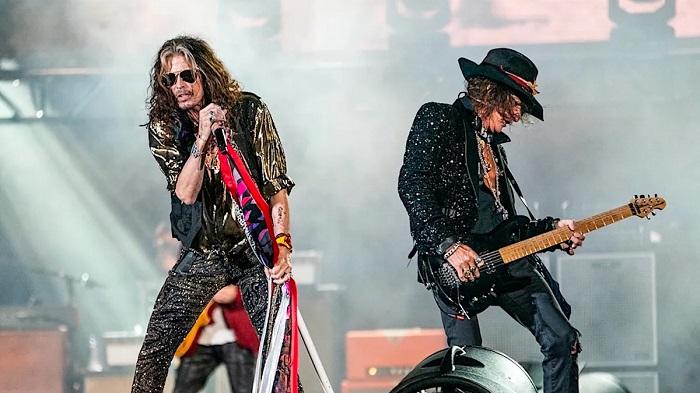
Is Aerosmith Glam Metal? A Comprehensive Introduction

Few rock bands have enjoyed the longevity, mainstream success, and stylistic flexibility of Aerosmith. From their gritty blues-rock origins in the early 1970s to their polished arena-rock dominance in the late 1980s and 1990s, Aerosmith have often defied simple genre labels. One recurring question among fans and critics alike is whether Aerosmith should be considered a glam metal band. The answer is not entirely straightforward, because it depends on how glam metal itself is defined and which phase of Aerosmith’s long career is being examined.
This article explores the origins of glam metal, Aerosmith’s musical and visual evolution, and how their sound, image, and influence intersect with the glam metal movement—without forcing the band into a category that may only partially apply.
Defining Glam Metal as a Genre
Musical Characteristics of Glam Metal
Glam metal, sometimes called hair metal, emerged prominently in the late 1970s and reached its commercial peak during the 1980s. Musically, glam metal blends hard rock and heavy metal with an emphasis on catchy hooks, melodic choruses, polished production, and accessible song structures. Guitar solos are prominent but often designed to serve melody rather than sheer aggression.
Lyrically, glam metal frequently focuses on themes of love, desire, rebellion, nightlife, and emotional vulnerability, often delivered in a dramatic or theatrical tone. While not all glam metal bands sound alike, there is a shared emphasis on spectacle and mainstream appeal.
Visual Style and Performance Aesthetics
Beyond sound, glam metal is defined just as strongly by image. Big hair, makeup, flashy clothing, and an androgynous visual presentation are central to the genre’s identity. Stage presence, music videos, and fashion were as important as musical technique. Bands such as Mötley Crüe, Poison, Cinderella, and early Bon Jovi exemplified this aesthetic, creating a visually exaggerated version of rock stardom.
Understanding this visual component is essential when considering whether Aerosmith fits the glam metal label.
Aerosmith’s Early Identity: Blues-Based Hard Rock
Roots in the 1970s Rock Tradition
Aerosmith formed in 1970, well before glam metal had fully taken shape as a genre. Their early work was deeply rooted in blues-based hard rock, drawing inspiration from bands like The Rolling Stones, Led Zeppelin, and The Yardbirds. Albums such as Aerosmith, Get Your Wings, and Toys in the Attic emphasized raw riffs, gritty vocals, and a loose, swaggering groove.
This early incarnation of Aerosmith aligns far more closely with classic hard rock than glam metal. The band’s image at the time was rebellious and scruffy rather than theatrical, reflecting the countercultural ethos of early 1970s rock.
Steven Tyler’s Persona and Early Glam Elements
Even in the 1970s, however, Steven Tyler displayed a flamboyant stage presence that hinted at later glam aesthetics. His scarves, colorful outfits, and gender-fluid fashion choices distinguished him from many contemporaries. While this did not place Aerosmith squarely in glam metal territory, it did establish Tyler as a performer unafraid of visual expression and theatricality.
These early visual traits would later make Aerosmith more compatible with glam metal culture when the genre gained prominence.
The 1980s Revival and the Glam Metal Connection
Commercial Comeback and Image Shift
After a period of decline in the late 1970s and early 1980s due to internal struggles, Aerosmith experienced a major resurgence beginning in the mid-1980s. Albums such as Permanent Vacation and Pump marked a clear shift in production style, songwriting approach, and visual presentation.
During this era, Aerosmith adopted sleeker production, more radio-friendly arrangements, and a heightened emphasis on image—elements closely associated with glam metal. Music videos became a central part of their identity, aligning them with MTV-driven glam metal acts of the time.
Sound and Songwriting in the Glam Era
Musically, Aerosmith’s late-1980s output shared several characteristics with glam metal. Songs featured big choruses, polished guitar tones, and emotionally charged lyrics designed for mass appeal. Tracks like “Dude (Looks Like a Lady)” and “Love in an Elevator” embodied the fun, flamboyant energy often associated with glam metal, even if their roots were more classic rock.
However, Aerosmith’s songwriting retained a bluesy foundation and rhythmic looseness that set them apart from many pure glam metal bands. Their music felt less formulaic and more grounded in traditional rock structures.
Why Aerosmith Is Often Associated With Glam Metal
Cultural Overlap Rather Than Genre Origin
Aerosmith’s association with glam metal stems largely from cultural overlap rather than genre origin. During the late 1980s, they shared stages, audiences, and visual platforms with glam metal bands. Younger glam metal acts frequently cited Aerosmith as a major influence, both musically and stylistically.
This influence worked in both directions. Aerosmith, consciously or not, absorbed some of the era’s aesthetics to remain relevant, leading many listeners to group them with glam metal despite their earlier roots.
Steven Tyler as a Glam Icon
Steven Tyler’s look and stage presence during the MTV era strongly reinforced the glam metal association. His flamboyant outfits, dramatic movements, and emotional vocal delivery fit seamlessly alongside glam metal frontmen. This visual continuity made it easy for audiences to view Aerosmith as part of the same movement, even if their musical lineage differed.
Key Differences Between Aerosmith and Glam Metal Bands
Songwriting Depth and Musical Longevity
One major distinction is Aerosmith’s songwriting depth and adaptability. While many glam metal bands experienced brief peaks followed by rapid decline, Aerosmith successfully reinvented themselves across decades. Their catalog spans blues rock, hard rock, pop-rock, and ballads without being confined to a single trend.
This longevity suggests that Aerosmith used glam metal aesthetics strategically rather than being defined by them.
Authenticity and Blues Influence
Aerosmith’s persistent blues influence separates them from the core glam metal sound. Even their most polished tracks retain rhythmic swing and blues-based phrasing. Glam metal, by contrast, often emphasizes a more polished, less blues-oriented approach to guitar and rhythm.
This musical authenticity is a key reason many critics resist labeling Aerosmith strictly as glam metal.
So, Is Aerosmith Glam Metal?
A Conditional and Contextual Answer
The most accurate answer is that Aerosmith are not fundamentally a glam metal band, but they intersected with glam metal during a specific phase of their career. Their origins, influences, and long-term identity are rooted in classic and blues-based hard rock, not glam metal as a standalone genre.
However, during the late 1980s and early 1990s, Aerosmith adopted many of the visual, production, and marketing elements associated with glam metal. In that context, they functioned comfortably within the glam metal ecosystem without being defined by it.
Conclusion
Aerosmith’s relationship to glam metal is best understood as one of influence and adaptation rather than origin. They helped shape the attitude and style that glam metal later amplified, and they successfully navigated the genre’s peak years by embracing its aesthetics without abandoning their core musical identity.
Rather than fitting neatly into the glam metal category, Aerosmith stand as a bridge between classic hard rock and the MTV-driven rock culture of the 1980s. Their ability to evolve while maintaining authenticity is precisely what makes them difficult—and fascinating—to classify.