


How Do Basslines Shape the Identity of Phonk Music?
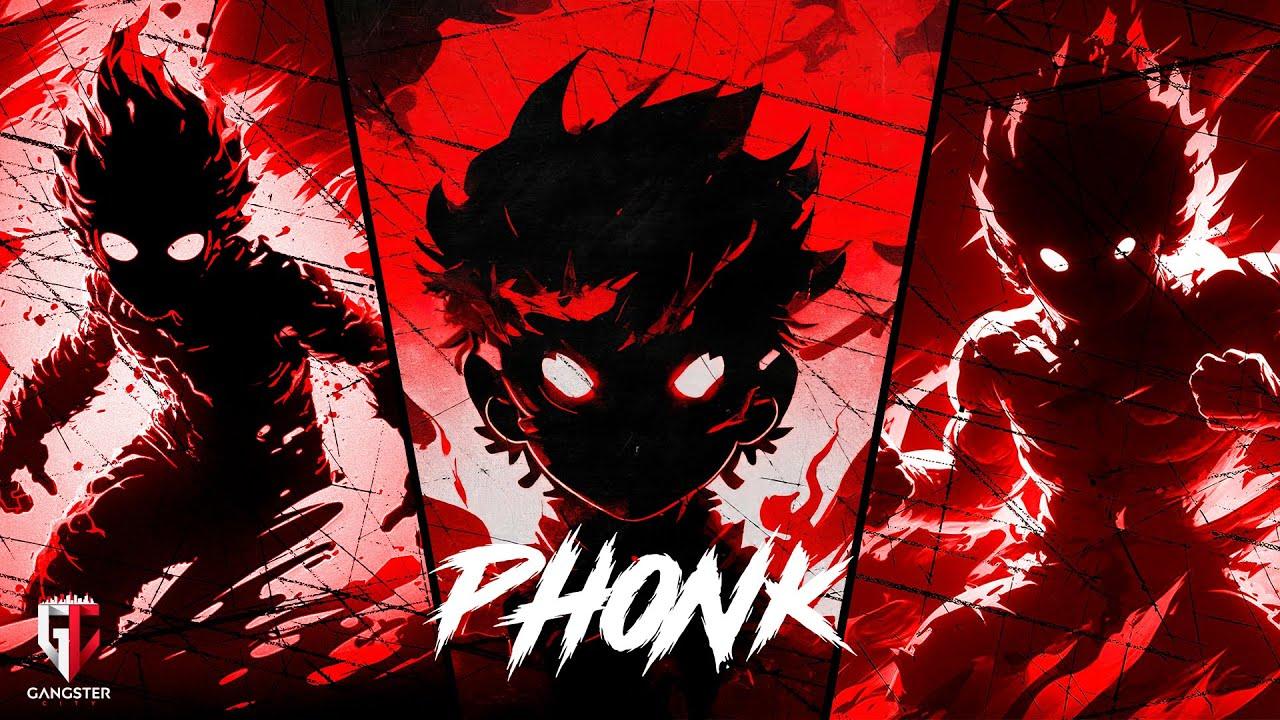
Phonk Music has emerged as a distinctive subgenre that blends elements of Southern hip-hop, Memphis rap, lo-fi aesthetics, and modern electronic production. While many components contribute to its recognizable sound, basslines play a uniquely central role. More than just rhythmic support, basslines in Phonk Music define atmosphere, dictate groove, and shape emotional identity. They are not simply heard; they are felt, becoming the sonic backbone around which all other elements revolve.
This article explores how basslines shape the identity of Phonk Music, examining their stylistic origins, technical construction, emotional impact, and cultural significance within the genre.
The Origins of Phonk Basslines
Roots in Memphis Rap and Southern Hip-Hop
The bass-driven identity of Phonk Music can be traced back to 1990s Memphis rap, where heavy low-end frequencies were used to create dark, hypnotic, and aggressive soundscapes. Early producers relied on booming sub-bass to enhance the raw intensity of their tracks, often recorded with limited equipment but maximal attitude.
Phonk inherited this emphasis on bass as a narrative tool. Instead of serving purely functional rhythmic purposes, basslines became carriers of menace, nostalgia, and underground energy. This lineage explains why Phonk basslines often feel gritty and confrontational rather than polished or neutral.
Evolution Through Modern Production
As Phonk Music evolved in digital spaces, producers gained access to advanced tools that allowed more precise shaping of bass frequencies. Despite these advancements, the genre retained its lo-fi ethos. Basslines remained distorted, compressed, and sometimes intentionally imperfect, reinforcing authenticity over clarity.
This balance between technological capability and aesthetic restraint is central to the genre’s identity.
Basslines as the Emotional Core
Creating Darkness and Tension
Phonk basslines often operate in lower registers that evoke heaviness and unease. Slow-moving, droning bass patterns create tension by lingering on unresolved notes or repeating minimal motifs. This sonic darkness contributes to the genre’s moody atmosphere.
Unlike upbeat dance genres where bass drives excitement, Phonk Music uses bass to cultivate introspection, menace, and emotional weight. The bassline becomes a psychological presence, shaping how the listener feels rather than merely how they move.
Nostalgia and Melancholy
Many Phonk tracks sample old tapes, vocal snippets, or degraded recordings. Basslines interact with these elements by grounding them emotionally. A warm, saturated bass can evoke nostalgia, while a cold, distorted bass can amplify feelings of alienation.
This emotional duality is one of the genre’s defining traits. Basslines serve as emotional translators, turning fragments of the past into cohesive modern expressions.
Rhythmic Identity and Groove
Minimalism and Repetition
Phonk basslines are often deceptively simple. Repetition is a key feature, with short bass phrases looping throughout the track. Rather than becoming monotonous, this repetition creates a trance-like state that aligns with the genre’s hypnotic qualities.
The groove emerges not from complexity, but from subtle timing variations, swing, and interaction with drums. Basslines lock tightly with kick drums, forming a unified rhythmic pulse that anchors the track.
Slow Tempos and Heavy Impact
Phonk Music typically operates at slower tempos compared to mainstream electronic genres. This slower pace allows basslines to breathe, giving each note more physical presence. The space between notes becomes just as important as the notes themselves.
The result is a groove that feels heavy and deliberate, reinforcing the genre’s sense of control and menace.
Technical Characteristics of Phonk Basslines
Distortion and Saturation
One of the most recognizable traits of Phonk basslines is distortion. Producers often push bass sounds beyond clean limits, introducing saturation that adds grit and texture. This distortion is not a flaw but a stylistic choice that reinforces the underground aesthetic.
Distorted basslines cut through lo-fi mixes more effectively, ensuring that the low-end remains dominant even when other elements are degraded or noisy.
Sub-Bass Versus Mid-Bass Balance
Phonk basslines frequently blend deep sub-bass with audible mid-bass frequencies. This dual-layer approach allows basslines to be felt physically while remaining perceptible on smaller speakers.
The careful balance between these layers contributes to the genre’s adaptability across listening environments, from headphones to car systems.
Interaction With Other Musical Elements
Bass and Drum Synergy
In Phonk Music, basslines and drums function as a single unit. The kick drum often mirrors or complements the bassline, reinforcing its impact. This tight relationship ensures rhythmic cohesion and emphasizes the physicality of the sound.
Rather than competing for space, bass and drums cooperate to create a unified low-end presence that defines the track’s energy.
Supporting Vocals and Samples
Phonk often features chopped vocal samples, whispered phrases, or distorted chants. Basslines provide a stable foundation that allows these elements to float above without overwhelming the mix.
The bass anchors fragmented vocals, giving them context and emotional grounding. Without strong basslines, these samples would feel disconnected and ephemeral.
Basslines and Cultural Identity
Association With Underground Culture
The prominence of basslines in Phonk Music aligns with its underground roots. Heavy bass has long been associated with subcultures that prioritize intensity, rebellion, and authenticity. Phonk continues this tradition by making bass the focal point rather than a background element.
This emphasis reinforces the genre’s identity as music meant to be felt deeply rather than consumed passively.
Global Adaptation and Consistency
As Phonk Music has spread globally, basslines have remained a consistent defining feature. Even as regional influences and stylistic variations emerge, the centrality of bass persists.
This consistency allows listeners to recognize Phonk instantly, regardless of tempo shifts or melodic changes. The bassline acts as a signature, unifying diverse interpretations under a shared sonic identity.
Psychological and Physical Impact
Embodied Listening Experience
Basslines engage the body as much as the mind. Low frequencies resonate physically, creating an immersive listening experience. In Phonk Music, this physical engagement enhances emotional immersion.
The listener does not simply hear the track; they inhabit it. This embodied experience strengthens the genre’s emotional impact and memorability.
Mood Regulation and Focus
Many listeners use Phonk Music as background for driving, studying, or creative work. The steady, heavy basslines create a sense of focus and control. Repetition and low-end consistency can induce a meditative or grounded state.
This functional aspect further demonstrates how basslines shape not only sound, but listener experience.
The Bassline as a Narrative Force
Telling Stories Without Words
Phonk basslines often convey narrative arcs through subtle changes in intensity, distortion, or rhythm. A bassline may start subdued and gradually grow more aggressive, mirroring emotional escalation.
Even in instrumental tracks, basslines guide the listener through a journey, functioning as storytellers without language.
Simplicity as Strength
The power of Phonk basslines lies in restraint. By avoiding unnecessary complexity, producers allow basslines to dominate attention and emotional response. This simplicity ensures clarity of identity.
In a genre defined by atmosphere and attitude, basslines become the most direct communicators of intent.
Conclusion
Basslines are not merely components of Phonk Music; they are its defining force. From their roots in Memphis rap to their modern digital evolution, basslines shape the genre’s emotional depth, rhythmic identity, and cultural significance. They create darkness, groove, nostalgia, and physical immersion, anchoring every other element in the mix.
By prioritizing low-end presence, distortion, and repetition, Phonk Music establishes a sonic identity that is instantly recognizable and deeply affecting. The bassline is where the genre’s past and present meet, where emotion becomes physical, and where sound transforms into experience. In understanding Phonk Music, one must begin with the bass, because it is there that the genre truly lives.
 Deutsch
 English
 Arabic
 French
 Spanish
 Portuguese
 Turkish
 Dutch
Dutch
 Italiano
 Russian
 Romaian
 Portuguese (Brazil)
 Greek
Greek