


What Are the Defining Elements of Russian Composers’ Orchestral Works?
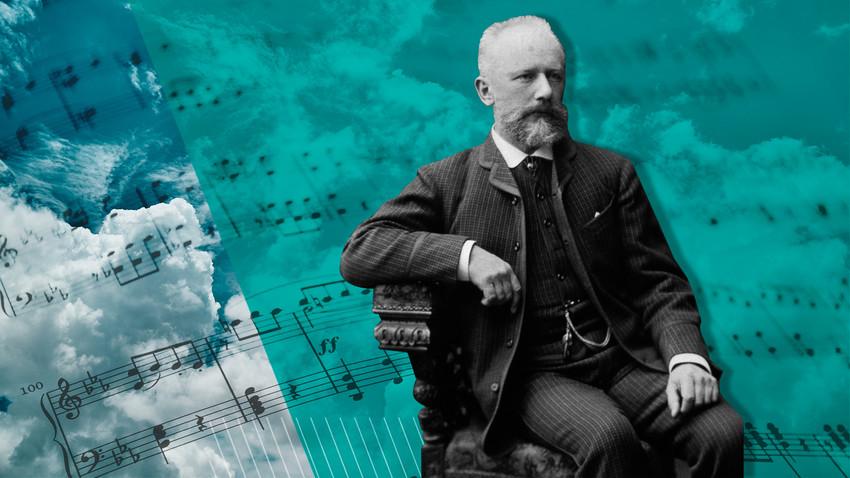
The orchestral tradition shaped by Russian Composers stands as one of the most distinctive and influential currents in Western classical music. From the sweeping nationalism of the nineteenth century to the modernist tensions of the twentieth, Russian orchestral works are marked by a powerful sense of identity, dramatic expressiveness, and innovative use of instrumental color. These composers did not merely adopt European symphonic forms; they reshaped them to express cultural memory, historical struggle, and a uniquely Russian emotional worldview.
This article explores the defining elements that characterize the orchestral music of Russian Composers, examining historical context, melodic language, harmony, rhythm, orchestration, and emotional philosophy.
Historical and Cultural Foundations
The Search for a National Voice
One of the most defining features of Russian orchestral music is its deliberate pursuit of a national identity. During the nineteenth century, Russian Composers sought to distinguish their music from the dominant German, Italian, and French traditions. This effort was driven by broader cultural movements that emphasized folklore, language, and national history.
Rather than imitating Western European models, many Russian composers turned to native sources for inspiration. Folk songs, legends, and Orthodox liturgical music provided raw material that shaped melodic contours and harmonic language. This grounding in cultural heritage gave Russian orchestral works a sense of rootedness and authenticity.
Tension Between Tradition and Innovation
Russian orchestral music developed within a dynamic tension between conservatory training and nationalist experimentation. Some composers embraced formal European techniques while infusing them with local color, while others rejected academic norms in favor of instinctive, folk-inspired creativity.
This duality contributed to a wide stylistic range, yet a shared emotional intensity and dramatic sensibility continued to unify the orchestral output of Russian Composers.
Melodic Character and Expressive Language
Song-Like Themes and Vocal Influence
Melody plays a central role in Russian orchestral works. Themes often resemble vocal lines, reflecting the influence of folk songs and operatic traditions. These melodies tend to be expansive, emotionally charged, and memorable, unfolding with a sense of narrative rather than strict symmetry.
This lyrical quality allows orchestral music to communicate directly with listeners, often evoking longing, sorrow, or triumph through melodic shape alone. The orchestra, in this context, functions almost as a collective voice.
Modal and Folk-Derived Scales
Many Russian Composers incorporate modal scales and melodic patterns derived from folk traditions. These modes differ from conventional major and minor scales, lending the music an exotic or archaic quality to Western ears.
The use of such melodic material contributes to the distinct atmosphere of Russian orchestral works, grounding them in cultural memory while expanding harmonic possibilities.
Harmonic Language and Tonal Color
Bold Harmonic Shifts
Russian orchestral music is often characterized by bold and unexpected harmonic progressions. Sudden modulations, chromatic movement, and striking chordal juxtapositions create a sense of emotional volatility.
Rather than serving purely structural purposes, harmony in Russian orchestral works frequently functions as an expressive force. Harmonic tension mirrors psychological conflict, political unrest, or spiritual struggle.
Emotional Ambiguity and Darkness
A notable feature of Russian harmonic language is its willingness to dwell in ambiguity. Major and minor tonalities often blur, creating moods that feel unsettled or introspective. This harmonic darkness reflects a philosophical depth that resists simple resolution.
Such harmonic choices give Russian orchestral music its characteristic gravity and seriousness.
Rhythm and Musical Motion
Flexible Rhythmic Flow
Rhythm in Russian orchestral works often prioritizes expressive flexibility over mechanical regularity. Tempos may shift subtly, and rhythmic phrasing frequently follows the natural rise and fall of melody rather than strict metrical patterns.
This elasticity contributes to the music’s emotional immediacy, allowing orchestral passages to breathe and evolve organically.
Driving Energy and Dance Influence
At the same time, Russian Composers frequently employ powerful rhythmic momentum, particularly in sections influenced by folk dances. Strong accents, repeated rhythmic figures, and propulsive ostinatos generate excitement and urgency.
This combination of fluid expressiveness and rhythmic drive creates a compelling sense of movement that defines much of the Russian orchestral repertoire.
Orchestration and Sonic Color
Expansive Use of the Orchestra
Russian orchestral works are renowned for their rich and imaginative orchestration. Composers often exploit the full range of the orchestra, from deep, resonant low strings and brass to shimmering high woodwinds.
Rather than treating orchestration as decorative, Russian Composers use instrumental color as a primary expressive tool. Timbre becomes a means of storytelling, shaping atmosphere and emotional impact.
Distinctive Brass and Percussion Writing
Brass and percussion play a particularly prominent role in Russian orchestral music. Brass sections are often used to convey power, heroism, or menace, while percussion adds weight and drama.
This emphasis contributes to the monumental quality often associated with Russian orchestral sound, reinforcing themes of struggle, triumph, and collective experience.
Emotional Philosophy and Depth
Intensity and Emotional Extremes
Perhaps the most recognizable element of Russian orchestral works is their emotional intensity. These compositions frequently explore extremes of feeling, from profound despair to overwhelming joy.
Russian Composers do not shy away from raw emotion. Instead, they embrace it as a central artistic value, allowing music to function as an emotional confession as well as a public statement.
Tragedy, Fate, and Resilience
Themes of fate, suffering, and endurance recur throughout Russian orchestral music. Historical hardship, political upheaval, and spiritual questioning all find expression in orchestral form.
This engagement with serious subject matter gives the music a sense of weight and significance that resonates deeply with listeners.
Programmatic and Narrative Elements
Storytelling Through Sound
Many Russian orchestral works are programmatic, meaning they are inspired by stories, poems, landscapes, or historical events. Even when not explicitly programmatic, the music often suggests narrative arcs.
This storytelling impulse aligns with the melodic and orchestral emphasis on drama and atmosphere. Listeners are invited to experience the music as a journey rather than an abstract structure.
Connection to Literature and Myth
Russian Composers frequently drew inspiration from literature and mythology, integrating narrative depth into orchestral form. This interdisciplinary connection enriches the music’s emotional and intellectual dimensions.
The orchestra becomes a medium through which cultural stories are retold and reimagined.
Modern Developments and Legacy
Twentieth-Century Transformation
As musical language evolved, Russian orchestral music adapted to new aesthetic and political realities. Modernist techniques, dissonance, and irony entered the orchestral palette, reflecting changing times.
Despite stylistic shifts, core elements such as emotional intensity, strong orchestration, and national consciousness remained influential.
Enduring Global Influence
The impact of Russian Composers on orchestral music extends far beyond national borders. Their innovations in melody, harmony, and orchestration have shaped composers worldwide.
Even today, the Russian orchestral tradition continues to inspire audiences and musicians through its emotional power and distinctive voice.
Conclusion
The defining elements of Russian Composers’ orchestral works arise from a unique fusion of cultural identity, emotional depth, and musical innovation. Through song-like melodies, bold harmonies, flexible rhythms, and vivid orchestration, these composers created a sound world that is instantly recognizable and profoundly moving.
Rooted in national tradition yet expansive in ambition, Russian orchestral music speaks to universal human experiences of struggle, hope, and transcendence. Its enduring appeal lies not only in technical mastery, but in its willingness to confront emotion and meaning head-on. In understanding the orchestral legacy of Russian Composers, one encounters a musical tradition that is as intellectually rich as it is emotionally compelling.

 English
 French
 Spanish
 Portuguese
 Deutsch
 Turkish
 Dutch
Dutch
 Italiano
 Russian
 Romaian
 Portuguese (Brazil)
 Greek
Greek