
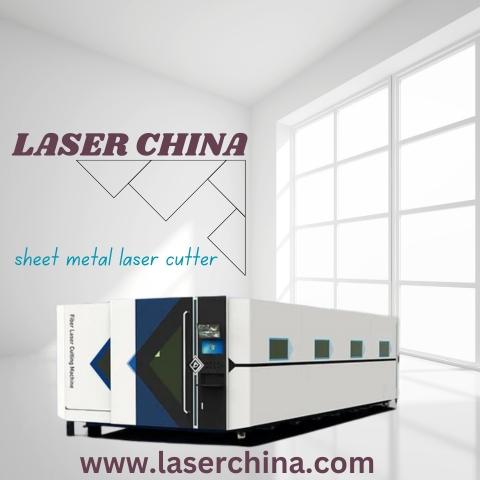
Sheet Metal Laser Cutter: Precision Cutting for Modern Manufacturing
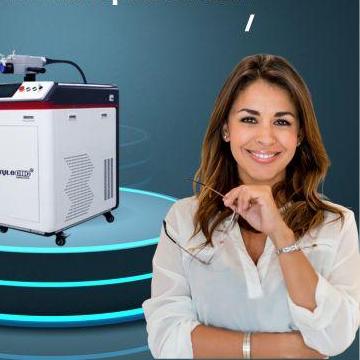
A sheet metal laser cutter is an essential piece of equipment for manufacturers seeking accuracy, speed, and consistency in metal fabrication. Using a concentrated laser beam, this advanced machine cuts metal sheets into precise shapes and sizes for a wide range of industrial applications. From small workshops to large production facilities, laser cutting technology helps businesses improve manufacturing efficiency and meet demanding production requirements.
How Does a Sheet Metal Laser Cutter Work?
The cutting process uses a high-energy laser beam focused on a specific point on the metal surface. The intense heat melts or vaporizes the material, while an assist gas helps remove molten metal from the cutting area. This process creates clean edges and detailed patterns according to a programmed design.
Modern machines commonly use fiber laser technology because it offers efficient energy consumption, reliable operation, and excellent performance when processing suitable metal materials. Computer numerical control (CNC) systems guide the cutting head according to digital drawings, allowing operators to produce repeatable results with minimal manual intervention.
Materials Suitable for Laser Cutting
A sheet metal laser cutter can process several types of metal, depending on the machine's laser power, configuration, and material thickness. Common materials include:
-
Stainless steel: Widely used for kitchen equipment, industrial enclosures, and decorative components.
-
Carbon steel: Suitable for structural parts, machinery components, and general fabrication.
-
Aluminum: Used in automotive parts, electrical housings, and lightweight structures.
-
Brass and copper: Processed for electrical components and specialized metal products, subject to machine capabilities and material-specific requirements.
Choosing the appropriate laser power and cutting parameters is important for achieving consistent quality across different materials and thicknesses.
Applications Across Different Industries
Laser cutting supports a broad range of manufacturing activities. Automotive companies use precisely cut metal components in vehicle production, while electrical manufacturers rely on accurate sheet metal parts for cabinets and enclosures. Construction businesses use laser-cut panels, brackets, and structural components.
The technology is also valuable for furniture manufacturing, advertising displays, industrial machinery, agricultural equipment, and custom metal fabrication. Its ability to follow complex digital designs makes it suitable for both customized orders and large production batches.
Choosing the Right Machine for Your Business
Selecting the right equipment requires an understanding of your production goals. Before purchasing, consider the materials you process most frequently, the maximum sheet thickness, the required cutting speed, and the dimensions of your typical workpieces.
Laser power should match your regular workload rather than being selected solely on the basis of the highest available specification. You should also evaluate the machine's working area, CNC software, cooling system, extraction equipment, safety enclosure, and maintenance requirements.
A dependable supplier should provide technical guidance, operator training, installation support, and access to replacement parts. Comparing these factors helps businesses select equipment that matches their manufacturing needs and long-term operating plans.
Improving Production Quality and Efficiency
Proper machine setup plays an important role in achieving reliable cutting results. Operators should use suitable cutting parameters for each material, maintain clean optical components, and inspect consumable parts according to the manufacturer's instructions.
Regular maintenance can reduce unexpected downtime and help maintain cutting consistency. Businesses should also use accurate CAD drawings and organize production schedules carefully to minimize material waste. Appropriate ventilation, protective enclosures, and laser safety procedures are essential for maintaining a safe working environment.
Why Invest in Modern Laser Cutting Technology?
Investing in modern laser equipment can help manufacturers handle detailed designs, maintain consistent dimensions, and respond to changing customer requirements. Automated cutting processes can reduce dependence on manual cutting operations and support smoother integration with other manufacturing systems.
For businesses planning to expand their fabrication capabilities, a sheet metal laser cutter can provide a practical solution for producing customized components and maintaining professional manufacturing standards. The right machine can support current production requirements while allowing room for future business growth.
Final Thoughts
Laser cutting has become an important technology in modern metal fabrication, offering manufacturers precise control over a wide variety of cutting tasks. By evaluating material requirements, machine specifications, supplier support, and workplace safety, businesses can make informed equipment decisions. Whether serving industrial customers or producing customized metal products, investing in suitable laser cutting equipment can help establish a more efficient and competitive manufacturing operation.


