
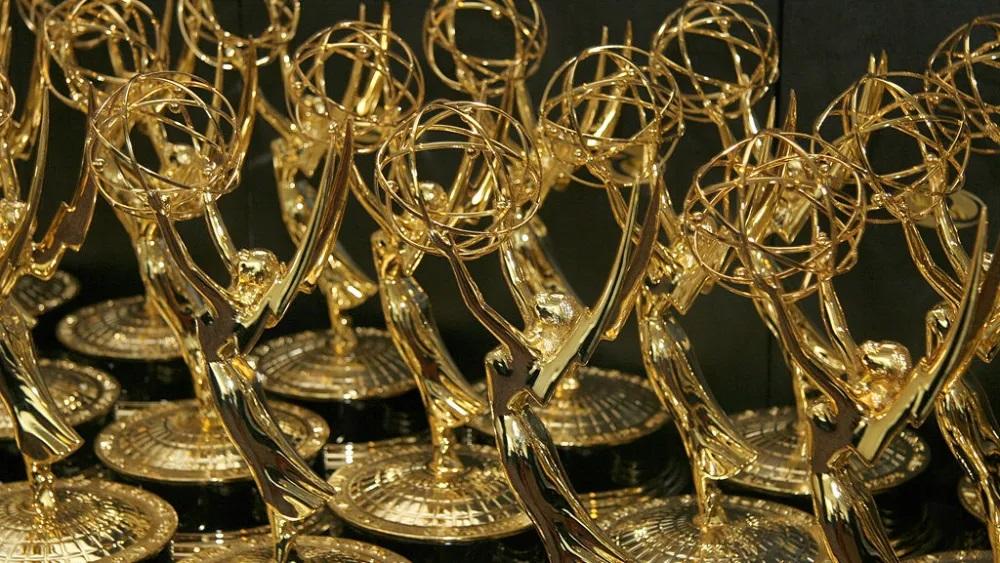
How Do the Primetime Emmy Awards Impact TV Viewership?

The Primetime Emmy Awards occupy a unique position in the television industry, functioning simultaneously as a celebration of artistic excellence and a powerful engine for shaping audience attention. Unlike film awards, which often influence box office performance over a limited theatrical window, the Emmys affect television viewership in complex and lasting ways. From boosting ratings for nominated shows to reshaping streaming habits and influencing long-term cultural conversations, the Primetime Emmy Awards play a significant role in how audiences discover, value, and engage with television content.
This article explores how the Emmys influence viewership by examining industry dynamics, audience psychology, marketing strategies, and real-world examples from television history.
The Cultural Authority of the Primetime Emmy Awards
Why Awards Matter to Viewers
Awards serve as signals of quality in an increasingly crowded media environment. With hundreds of scripted series released each year across broadcast, cable, and streaming platforms, viewers often rely on external validation to decide what is worth their time. The Primetime Emmy Awards provide that validation by positioning certain shows as culturally and artistically significant.
When a series receives Emmy recognition, it is no longer just entertainment; it becomes part of a larger cultural conversation. This shift in perception encourages viewers who may have previously ignored a show to reconsider it as “must-see” television.
Emmys as a Trust Mechanism
For many audiences, the Emmys function as a form of curatorial authority. Even viewers who do not regularly watch the ceremony are influenced by Emmy branding in trailers, streaming thumbnails, and promotional campaigns. The phrase “Emmy-winning” or “Emmy-nominated” carries weight, suggesting craftsmanship, relevance, and emotional depth.
This trust mechanism directly impacts viewership decisions, especially for discerning audiences seeking prestige television.
Immediate Ratings Impact After Emmy Wins
Post-Award Viewership Spikes
One of the most observable effects of the Primetime Emmy Awards is the short-term spike in viewership following major wins. When a show dominates the ceremony, it often experiences increased ratings in subsequent episodes or a surge in streaming numbers.
This phenomenon is particularly noticeable for newer or less mainstream series. A strong Emmy showing can introduce a show to audiences who were previously unaware of its existence. Viewers who hear about a surprise win may tune in out of curiosity, leading to immediate gains in visibility.
Delayed Discovery and Binge-Watching
In the era of streaming, Emmy recognition often leads to delayed discovery rather than live ratings growth. Audiences may not watch a show as it airs, but after seeing it celebrated at the Emmys, they may choose to binge-watch entire seasons.
This delayed viewership still holds enormous value for networks and platforms, as it drives subscriptions, renewals, and long-term engagement.
Long-Term Viewership and Legacy Building
Sustained Interest Over Time
Beyond immediate spikes, the Primetime Emmy Awards contribute to a show’s long-term legacy. Series that win or are frequently nominated tend to remain culturally relevant long after their original run. This sustained interest keeps viewership alive through reruns, streaming libraries, and international distribution.
Shows that become synonymous with Emmy success often attract new generations of viewers who want to understand why these series were so highly regarded. In this way, the Emmys help transform television programs into enduring cultural artifacts.
Rewatch Value and Critical Canonization
Emmy recognition also enhances rewatch value. Audiences are more likely to revisit acclaimed shows, paying closer attention to performances, writing, and thematic depth. This critical canonization reinforces viewership cycles, ensuring that award-winning series remain visible in recommendation algorithms and curated collections.
Marketing Power and Promotional Strategies
Emmy Branding as a Marketing Tool
Networks and streaming services aggressively leverage Emmy recognition in their marketing campaigns. Trailers, posters, and platform interfaces prominently feature Emmy logos and award counts, reinforcing the idea that these shows represent the pinnacle of television storytelling.
This strategy is particularly effective during awards season, when media coverage amplifies the visibility of nominated programs. The Primetime Emmy Awards effectively become a months-long promotional event rather than a single night.
Influence on Platform Algorithms
Streaming platforms often adjust their recommendation algorithms to highlight Emmy-nominated or winning content. By placing these shows front and center, platforms capitalize on the cultural momentum generated by the awards.
As a result, even passive viewers who are browsing without a specific intention may be drawn into watching Emmy-recognized series.
Impact on New Seasons and Spin-Offs
Boosting Returning Series
For ongoing series, Emmy success can significantly boost viewership for subsequent seasons. Audiences who missed earlier installments may catch up before a new season premieres, leading to higher opening episode numbers.
This effect is especially strong when a show wins major categories such as acting, writing, or best series. The awards act as a quality endorsement, reducing the perceived risk of investing time in a multi-season narrative.
Encouraging Spin-Offs and Expansions
Emmy recognition also encourages networks to expand successful properties through spin-offs, prequels, or related projects. Viewership interest generated by the awards creates a ready-made audience for these extensions.
The prestige associated with the original series often transfers to its successors, giving them a strong initial viewership base.
Audience Psychology and Social Influence
Fear of Missing Out and Cultural Participation
The Primetime Emmy Awards contribute to a sense of cultural urgency. When a show dominates the ceremony, it becomes a topic of conversation across social media, news outlets, and workplace discussions. Viewers may feel compelled to watch simply to participate in these conversations.
This fear of missing out is a powerful driver of viewership, particularly for shows that address contemporary themes or feature widely praised performances.
Validation of Personal Taste
For viewers already watching a nominated series, Emmy recognition provides validation of their taste. This emotional reinforcement can deepen loyalty, encouraging viewers to continue watching and recommending the show to others.
Word-of-mouth driven by award recognition further amplifies viewership growth.
The Role of the Emmy Ceremony Itself
Broadcast Ratings and Promotional Clips
The Emmy broadcast itself influences viewership by showcasing clips from nominated shows. These curated moments highlight emotional peaks, memorable dialogue, and standout performances, effectively serving as extended trailers.
Viewers who are unfamiliar with a series may be drawn in by a compelling clip, leading them to seek out the show afterward.
Celebrity Visibility and Performance Recognition
When actors win Emmys, their increased visibility often draws attention to their work. Viewers curious about an award-winning performance may watch a series specifically to see what earned such acclaim.
This performer-focused interest can be especially impactful for character-driven dramas and comedies.
Limitations and Changing Viewing Habits
Awards vs. Popular Appeal
While the Primetime Emmy Awards influence viewership, they do not guarantee mass popularity. Some critically acclaimed shows remain niche, appealing primarily to specific audiences. However, even in these cases, Emmy recognition helps sustain and legitimize their viewership.
The awards may not create blockbuster ratings, but they often ensure longevity and cultural respect.
Fragmented Audiences in the Streaming Era
As viewing habits become more fragmented, the impact of any single award show is diffused. Nevertheless, the Emmys continue to matter because they adapt to these changes, influencing streaming behavior rather than relying solely on live ratings.
Their role has shifted from mass persuasion to targeted discovery.
Conclusion
The Primetime Emmy Awards significantly impact TV viewership by shaping perception, driving discovery, and reinforcing long-term engagement. Through immediate ratings boosts, sustained cultural relevance, strategic marketing, and audience psychology, the Emmys influence not only what people watch, but how they value television as an art form.
In an era of endless content choices, the Primetime Emmy Awards serve as both a spotlight and a compass, guiding viewers toward stories deemed meaningful, well-crafted, and culturally important. While they may not dictate popularity on their own, their ability to elevate visibility and credibility ensures that award-recognized television continues to attract audiences long after the ceremony ends.