
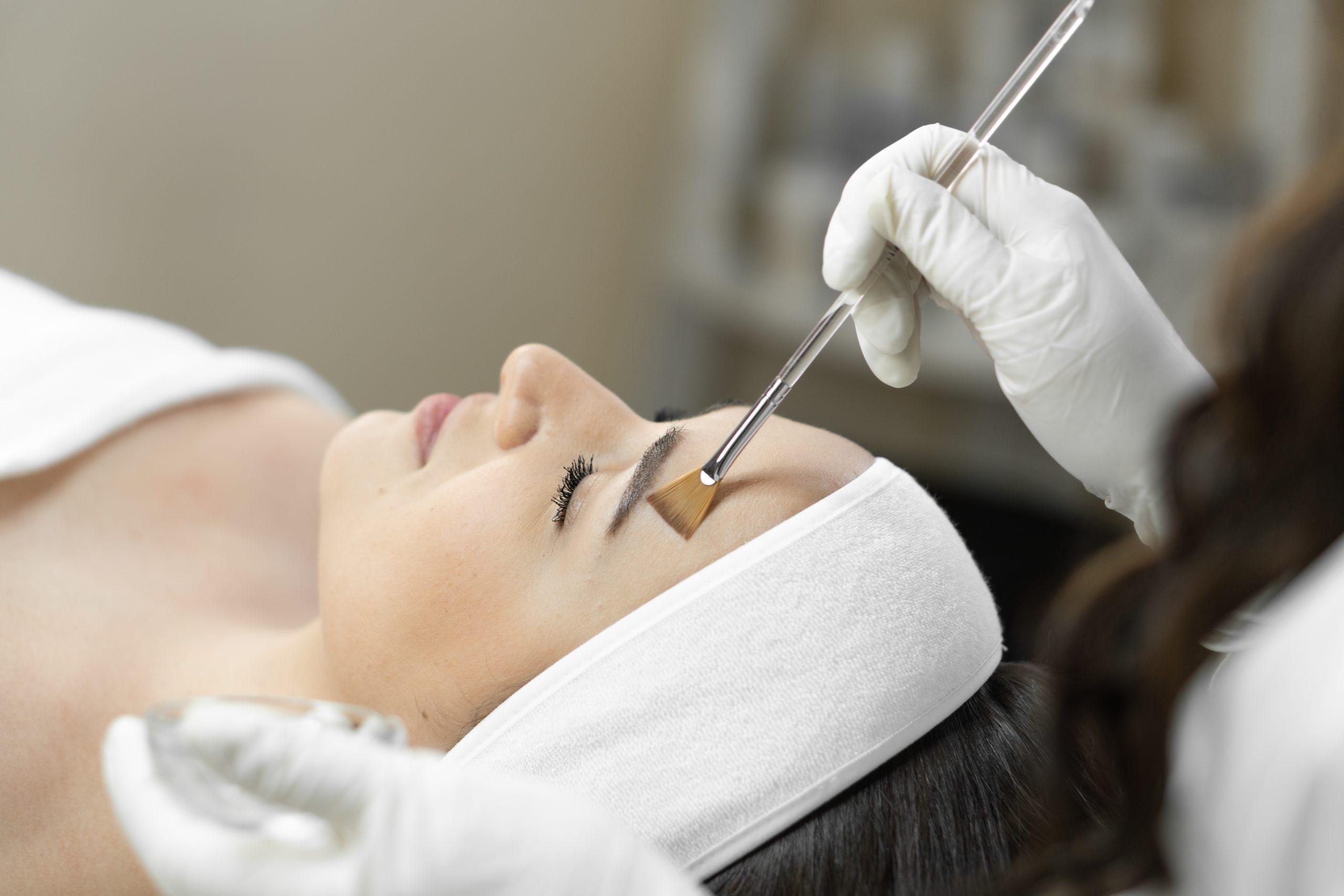
Chemical Peel in Islamabad for Melasma: What Results Can You Expect?

Melasma can be frustrating, especially when dark patches appear on your cheeks, forehead, nose, or upper lip and refuse to fade despite trying different skincare products. In Pakistan, where sunlight is strong throughout much of the year, melasma is a common concern for people who want clearer, brighter, and more even-toned skin.
If you've been struggling with stubborn pigmentation, a chemical peel may be worth considering. Chemical Peel In Islamabad is becoming a popular option for people looking to improve uneven skin tone and reduce the appearance of melasma without undergoing surgery.
But how effective are chemical peels for melasma? How many sessions might you need, and what kind of results can you realistically expect? Let's explore everything you should know before booking your treatment.
What Is Melasma and Why Is It So Common in Pakistan?
Melasma is a skin condition that causes brown, greyish-brown, or dark patches to develop on the face. It commonly appears on areas exposed to sunlight, particularly the cheeks, forehead, nose, and upper lip.
Several factors can contribute to melasma, including hormonal changes, sun exposure, pregnancy, genetics, and certain medications. For many Pakistani women, hormonal fluctuations during pregnancy or while using hormonal contraceptives can trigger pigmentation.
Sun exposure is one of the biggest factors behind worsening melasma. Pakistan's intense sunlight, particularly during summer, can make existing pigmentation darker and more noticeable.
Unlike ordinary tanning, melasma can be persistent. It may improve with treatment but often returns if the skin is not properly protected from UV exposure.
How Does a Chemical Peel Help Treat Melasma?
A chemical peel is a professional skin treatment that uses carefully selected chemical solutions to exfoliate the outer layers of the skin. This process encourages the removal of pigmented surface cells and supports natural skin renewal.
For melasma, dermatologists may recommend superficial chemical peels containing ingredients such as glycolic acid, lactic acid, mandelic acid, or salicylic acid. The appropriate formulation depends on your skin type, pigmentation depth, and sensitivity.
The main goal is to gradually reduce excess pigmentation and improve overall skin tone.
Chemical peels can also improve skin texture, reduce dullness, and make the complexion appear fresher. However, melasma often involves pigment deeper in the skin, which means chemical peels may need to be combined with other treatments for better long-term control.
It is important to understand that a chemical peel does not permanently remove melasma. Instead, it helps manage pigmentation and improve its appearance over time.
Chemical Peel In Islamabad: What Happens During the Treatment?
If you're considering a Chemical Peel In Islamabad, knowing what happens during an appointment can help you feel more comfortable and prepared.
The treatment generally begins with a skin assessment. Your practitioner examines the pigmentation, identifies your skin type, and determines whether a chemical peel is suitable for your condition.
Here is what you can generally expect during the procedure:
- Skin cleansing: Your face is thoroughly cleansed to remove makeup, oil, and impurities before treatment.
- Skin preparation: The practitioner prepares your skin to help ensure an even application of the peeling solution.
- Application of the peel: A selected chemical solution is carefully applied to the treatment area. You may experience mild tingling, warmth, or a temporary stinging sensation.
- Treatment completion: The solution is neutralised or removed according to the specific product and treatment protocol.
- Aftercare guidance: You receive instructions about moisturising, sun protection, and avoiding irritating skincare ingredients during recovery.
A superficial chemical peel usually takes around 20 to 40 minutes, depending on the formulation and treatment area.
Most people can return to their regular activities relatively quickly, although temporary redness, dryness, or mild peeling may occur.
What Results Can You Expect From a Chemical Peel for Melasma?
This is probably the most important question for anyone considering treatment.
The results of a chemical peel depend on several factors, including the severity of melasma, the depth of pigmentation, your skin type, and how consistently you follow aftercare instructions.
You should generally expect gradual improvement rather than an overnight transformation.
After Your First Session
Following your first chemical peel, your skin may appear slightly brighter and feel smoother once any initial dryness or peeling settles.
Some people notice a subtle improvement in superficial pigmentation. However, deeper melasma usually requires multiple sessions and a combination of treatments.
One session is rarely enough to achieve significant improvement in stubborn melasma.
After Multiple Sessions
With an appropriately spaced treatment plan, pigmentation may gradually become lighter and less noticeable. Your complexion may also look more even, and skin texture can improve.
Many treatment plans involve approximately three to six sessions, although the actual number depends on individual response and the strength of the peel.
Your dermatologist may adjust the treatment schedule based on how your skin responds.
Long-Term Results
Long-term results depend heavily on maintenance and sun protection.
Melasma is a chronic, recurring condition, so pigmentation can return after successful treatment, particularly with excessive sun exposure or hormonal triggers.
Consistent skincare and daily sunscreen are essential for maintaining your results.
Is Chemical Peeling Safe for Pakistani Skin Tones?
This is an especially important consideration for people living in Pakistan.
Pakistani skin tones often fall within the medium to deeper ranges of the Fitzpatrick skin phototypes. These skin types can be more prone to post-inflammatory hyperpigmentation (PIH), which means the skin may develop additional dark marks following irritation or inflammation.
Chemical peels can be suitable for Pakistani skin, but the treatment must be selected carefully.
A personalised approach is much safer than choosing a strong peel simply because you want faster results.
Superficial peels are generally preferred when treating pigmentation in darker skin tones. Stronger peels may increase the risk of irritation, uneven pigmentation, or worsening melasma if used inappropriately.
An experienced dermatologist should assess your skin before recommending any peeling treatment. Aggressive exfoliation and unsupervised at-home chemical peels should be avoided.
How to Maintain Your Results After a Chemical Peel
Your skincare routine plays a major role in determining how successful your melasma treatment will be.
Even after professional treatment, everyday habits can influence whether pigmentation improves or returns.
Sun protection should become a permanent part of your routine, not something you use only during summer.
Use a broad-spectrum SPF 50+ sunscreen every morning. For melasma, a tinted sunscreen containing iron oxides can provide additional protection against visible light, which may also contribute to pigmentation.
Reapply sunscreen every two hours when outdoors, particularly if you're sweating or spending extended periods in direct sunlight.
Keep your skincare routine gentle during recovery. Avoid harsh scrubs, strong exfoliating acids, and retinoids until your practitioner confirms that your skin has healed sufficiently.
A dermatologist may also recommend pigmentation-targeting skincare ingredients, such as azelaic acid, vitamin C, or prescription treatments when appropriate.
Who Is an Ideal Candidate for a Chemical Peel?
Chemical peels may be suitable for people experiencing mild to moderate melasma, uneven pigmentation, and superficial dark patches.
However, not everyone is an ideal candidate.
People with active skin infections, irritated skin, open wounds, or certain inflammatory skin conditions may need to postpone treatment. Those with a history of post-inflammatory hyperpigmentation or previous complications from chemical peels require additional assessment.
Pregnant or breastfeeding individuals should discuss treatment suitability with their dermatologist before proceeding, as some peeling agents and accompanying pigmentation medications may not be appropriate.
A proper skin consultation is the first step towards achieving safe and satisfying results.
Chemical Peel in Islamabad: Why Professional Treatment Matters
Choosing the right clinic is just as important as choosing the right chemical peel.
Melasma requires a careful approach because treating pigmentation too aggressively can sometimes make it worse. A qualified professional understands how to select suitable peeling agents, determine treatment strength, and minimise the risk of complications.
When considering a Chemical Peel In Islamabad, look for a clinic that offers individual skin assessments, professional-grade products, appropriate treatment protocols, and clear aftercare guidance.
You should also feel comfortable discussing your expectations, potential side effects, and the possibility that your melasma may require ongoing management.
Good treatment is not about achieving the fastest possible results; it's about improving your skin safely and sustainably.
Final Thoughts
Melasma can affect your confidence, but you don't have to rely on endless skincare experiments to manage it. A professionally selected chemical peel can help reduce pigmentation, improve skin texture, and restore a more even-looking complexion when combined with an appropriate skincare routine and consistent sun protection.
If you're considering a Chemical Peel In Islamabad, Dynamic Aesthetic Clinic is worth considering for its aesthetic expertise, board-certified surgeons, and advanced techniques tailored to individual skin concerns. Their professional approach can help you explore suitable pigmentation treatments and work towards healthier, clearer-looking skin.


