
Acetate Sunglasses: Exploring Timeless Eyewear Design, Modern Trends, and Everyday Comfort

Sunglasses have an interesting place in the world of fashion because they combine personal expression with an important practical purpose. They help protect the eyes from ultraviolet radiation while allowing individuals to create different looks for everyday activities, professional settings, and special occasions. As fashion preferences continue to evolve, consumers are becoming more interested in the materials used to manufacture their accessories. Among the available options, acetate has earned a strong reputation for its versatility, attractive finishes, and ability to support creative frame designs.
Acetate sunglasses have become an appealing choice for individuals who want eyewear that looks distinctive without sacrificing everyday usability. Their availability in different colors, patterns, and shapes makes them suitable for a wide range of preferences. From traditional designs to contemporary fashion collections, acetate frames offer numerous possibilities for people who appreciate well-designed accessories.
The Evolution of Modern Sunglasses
The history of sunglasses reflects changes in technology, lifestyle, and fashion. What initially served as a practical accessory for managing bright light has gradually developed into an important part of personal styling. Today, sunglasses are available in countless designs, with manufacturers experimenting with different materials, lens technologies, and frame constructions.
Modern consumers often consider several factors before purchasing eyewear. Appearance remains important, but comfort, durability, lens quality, and material selection also influence buying decisions. This growing interest in product quality has encouraged manufacturers to explore materials that offer both functional and creative advantages.
Acetate has become particularly relevant in this environment because it provides designers with considerable flexibility. Its ability to support different colors, patterns, and frame shapes allows brands to create collections that appeal to people with different fashion preferences.
What Makes Cellulose Acetate Suitable for Eyewear?
Cellulose acetate is a material derived from natural cellulose, commonly sourced from cotton or wood pulp. It is processed into a form that can be used in various applications, including the manufacturing of eyewear frames.
One of its most recognizable characteristics is its design flexibility. Manufacturers can produce different shades, transparent finishes, and layered patterns without relying on a single appearance or texture. This makes it easier to develop distinctive eyewear collections.
The material can also be shaped and polished to achieve smooth surfaces and carefully finished edges. These characteristics are important because frame construction influences both the appearance and comfort of sunglasses.
Another advantage is the possibility of creating different frame thicknesses. Some designs use thicker acetate to achieve a bold appearance, while others use thinner profiles for a more subtle and understated finish.
Why Material Selection Matters When Buying Sunglasses
Choosing sunglasses involves more than selecting an attractive frame. The material can influence several aspects of the overall wearing experience, including weight, flexibility, appearance, and maintenance requirements.
A well-designed frame should maintain its structure during normal use while providing a comfortable fit. It should also complement the lenses and create a balanced appearance.
Acetate offers an interesting combination of visual appeal and practical construction. Its smooth finish can give eyewear a refined appearance, while its manufacturing flexibility allows designers to experiment with traditional and modern silhouettes.
However, buyers should remember that the quality of finished sunglasses depends on manufacturing standards, component selection, and craftsmanship. The material alone does not guarantee that every product will have the same level of performance.
Popular Acetate Sunglasses Designs
Different frame styles appeal to different personalities and fashion preferences. Acetate is particularly useful for designers because it can be manufactured into numerous shapes.
Minimalist Sunglasses
Minimalist designs focus on simple shapes, balanced proportions, and neutral colors. Black, grey, and transparent frames are common choices for individuals who prefer understated accessories.
These sunglasses can complement a variety of clothing styles, making them practical for everyday use.
Bold Statement Frames
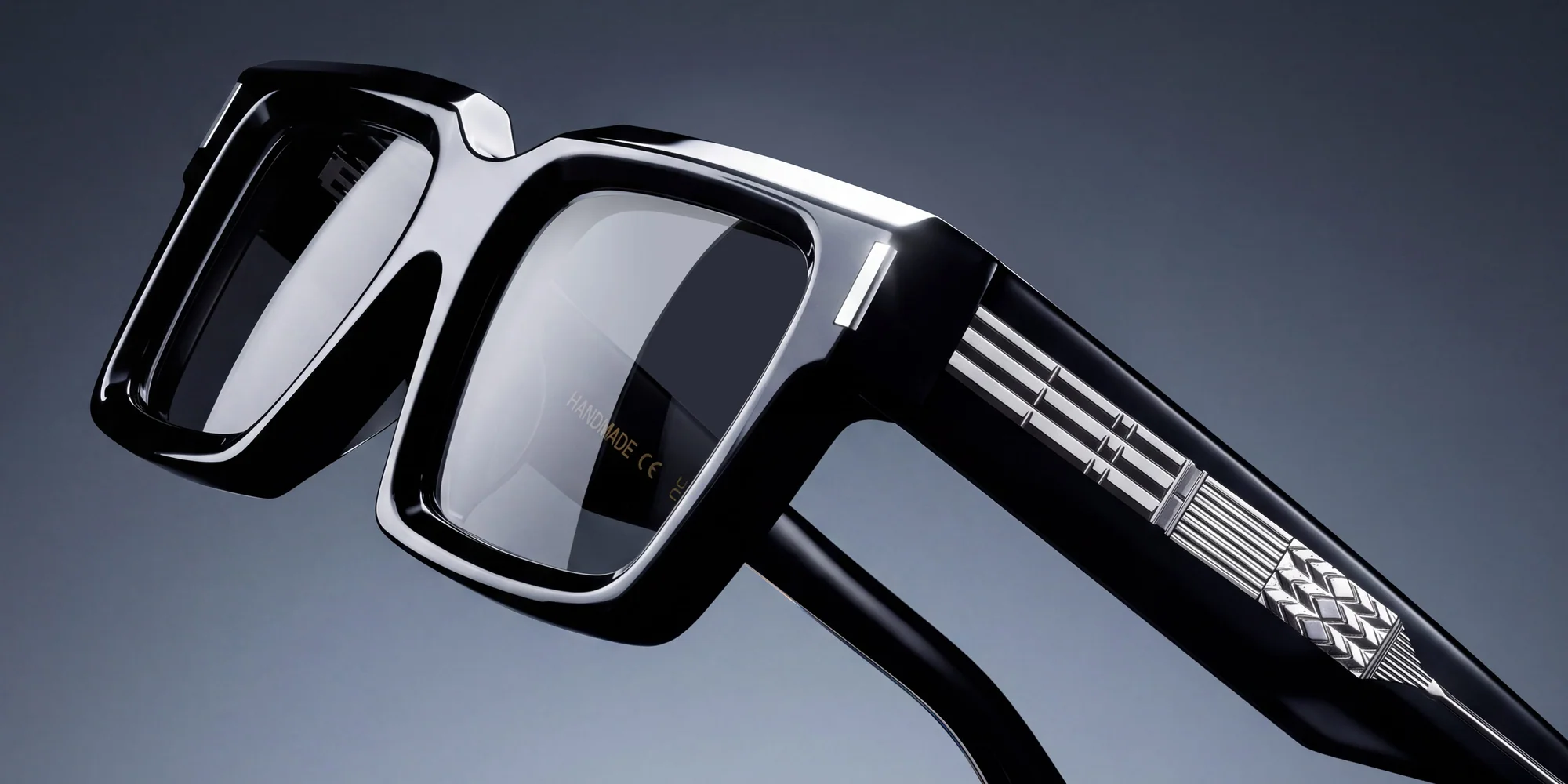
Some consumers prefer eyewear that attracts attention. Thick frames, unusual silhouettes, and strong color combinations can help create a distinctive appearance.
Acetate allows manufacturers to produce these designs while maintaining carefully finished surfaces and detailed construction.
Vintage-Inspired Eyewear
Classic eyewear shapes continue to influence contemporary fashion. Rounded frames, retro browlines, and traditional tortoiseshell patterns remain popular among people who appreciate timeless accessories.
Modern acetate manufacturing allows these familiar designs to be introduced with updated colors and proportions.
Transparent and Translucent Frames
Transparent eyewear offers a clean and contemporary appearance. Clear, light brown, grey, and softly tinted frames can provide an alternative to darker traditional designs.
These styles are particularly appealing to people who want sunglasses that complement their appearance without becoming the main focus of an outfit.
Understanding Color Combinations and Frame Finishes
Color is one of the most noticeable characteristics of acetate eyewear. Unlike some materials with more limited decorative possibilities, acetate can incorporate different shades and layered visual effects.
Black remains a dependable choice because it works with many clothing combinations. Brown and amber shades offer a warmer appearance, while tortoiseshell patterns create a classic aesthetic.
Transparent frames provide a modern alternative for people who prefer lighter visual details. Some designs also combine several shades to create distinctive patterns that add depth to the frame.
The surface finish matters as well. Glossy frames often create a polished appearance, while more subtle finishes may appeal to individuals who prefer understated accessories.
When choosing a color, it is useful to consider personal preferences, wardrobe combinations, and how frequently the sunglasses will be worn.
Finding the Right Frame for Different Face Shapes
The relationship between frame shape and facial proportions can influence how sunglasses look when worn. Although personal preference should always come first, understanding basic styling principles can make the selection process easier.
Rectangular frames may create an interesting contrast with round facial features. Rounded and oval designs can soften the appearance of more angular facial structures. Oversized frames offer a bolder look, while smaller designs may suit people who prefer a more discreet appearance.
Oval face shapes can generally accommodate a wide range of frame styles. Heart-shaped faces may benefit from balanced designs that do not add excessive visual weight to the upper portion of the face.
These are general styling suggestions rather than strict requirements. Trying different designs is often the best way to discover which frames feel and look appropriate.
Comfort and Fit Should Always Come First
A fashionable pair of sunglasses is only useful when it provides a comfortable fit. Poorly fitted eyewear can slide down the nose, create pressure around the temples, or become uncomfortable during extended wear.
Several measurements influence how sunglasses fit. Lens width determines the horizontal size of the frame, bridge width affects how it rests on the nose, and temple length influences how securely it sits around the ears.
Acetate frames are available in different dimensions, giving consumers plenty of choices. Certain frames can also be adjusted by trained professionals using appropriate equipment and controlled heat.
It is worth spending time trying sunglasses before making a purchase. A comfortable design should remain reasonably stable without creating unnecessary pressure.
Choosing the Right Lens Technology
Although frame materials contribute to appearance and construction, lens performance is essential when selecting sunglasses. Consumers should pay particular attention to ultraviolet protection.
Quality sunglasses should offer 100% UVA and UVB protection or carry a UV400 specification. This helps protect the eyes from harmful ultraviolet radiation during outdoor activities.
Polarized lenses are another useful option. They reduce reflected glare from surfaces such as roads, water, and glass, making them particularly useful for driving and certain recreational activities.
Different lens tints can also influence visual comfort. Grey lenses generally maintain natural color perception, while brown lenses can improve contrast in some environments. However, darker lenses are not automatically more protective.
Checking the manufacturer's lens specifications is therefore more reliable than judging quality based on appearance alone.
Acetate Sunglasses in Everyday Fashion
acetate sunglasses has become an important accessory for people who enjoy creating coordinated outfits. Sunglasses can add structure, color, and personality to even relatively simple clothing combinations.
For everyday activities, neutral acetate frames can provide a versatile appearance. They work well with casual shirts, denim, summer clothing, and many other wardrobe choices.
During vacations, colorful or oversized frames can introduce a more relaxed fashion element. For professional environments, classic black, brown, and transparent frames may create a balanced appearance.
The advantage of selecting a versatile design is that it can be worn across different situations without requiring a separate pair for every occasion.
Comparing Acetate with Other Eyewear Materials
Consumers have several frame materials to consider when purchasing sunglasses. Each option offers different characteristics.
Traditional plastic frames are widely available and can be manufactured in various shapes. Their overall quality depends on the type of plastic and production standards.
Metal frames are often associated with slim designs and a lightweight appearance. They are suitable for individuals who prefer understated eyewear.
Titanium frames are valued for their lightweight construction, strength, and resistance to corrosion. They are frequently found in premium eyewear collections.
Acetate stands out because of its decorative flexibility and ability to support rich colors, transparent finishes, and layered patterns. It is particularly suitable for consumers who want their eyewear to contribute significantly to their personal style.
The best material ultimately depends on individual requirements, preferred appearance, comfort, and budget.
Proper Cleaning and Maintenance
Regular maintenance can help sunglasses retain their original appearance and remain comfortable to wear.
One of the simplest habits is cleaning lenses with a microfiber cloth. An appropriate lens-cleaning solution can help remove fingerprints, dust, and other marks without damaging delicate surfaces.
Frames should also be cleaned carefully using suitable products. Harsh chemicals and abrasive materials may affect the finish or damage certain components.
Storage is equally important. A protective case can prevent accidental scratches and reduce the likelihood of damage when sunglasses are carried inside a handbag, backpack, or travel bag.
Acetate frames should also be protected from excessive heat. High temperatures may affect their shape, so leaving sunglasses inside a hot vehicle is not recommended.
If the hinges become loose or the frame no longer fits properly, professional adjustment is preferable to attempting repairs without suitable equipment.
Making a More Informed Eyewear Purchase
With so many eyewear products available, choosing the right sunglasses requires a little research. Buyers should examine frame quality, lens specifications, dimensions, and the reputation of the manufacturer.
The finishing details can provide useful information about overall construction. Smooth edges, properly aligned components, and secure hinges are worth checking before purchasing.
It is also important to understand the product's warranty and return conditions. Reliable retailers should provide clear information about materials, lens protection, and available services.
Price should be considered in relation to product quality rather than treated as the only indication of value. A reasonably priced pair with suitable lenses and good construction may be a better purchase than a more expensive product that does not meet the buyer's requirements.
Sustainability and Changing Consumer Expectations
Environmental considerations are influencing purchasing decisions across many fashion categories, including eyewear. Consumers increasingly want to understand the materials used in their products and the manufacturing practices behind them.
Cellulose acetate is associated with renewable cellulose sources, although the environmental performance of finished frames depends on the complete manufacturing process. Additives, production methods, transportation, and disposal all contribute to a product's overall environmental impact.
Some manufacturers are exploring improved sourcing methods, responsible production practices, and more durable product designs.
Consumers can contribute to more thoughtful purchasing habits by selecting quality eyewear, maintaining it properly, and avoiding unnecessary replacements. Choosing a product that remains useful for several years can be a practical approach to reducing waste.
The Future of Acetate Eyewear
The eyewear industry continues to evolve as designers explore new materials, manufacturing methods, and fashion influences. Acetate remains relevant because it provides a combination of traditional craftsmanship and modern design possibilities.
Future collections may continue to introduce new frame proportions, creative color combinations, and improved finishing techniques. At the same time, consumers are likely to maintain their interest in comfortable eyewear that offers practical features alongside attractive styling.
The continued demand for personalized accessories also creates opportunities for distinctive frame designs. Instead of choosing sunglasses simply because they follow a current trend, many buyers now look for products that reflect their individual preferences.
Acetate provides manufacturers with the flexibility to respond to these changing expectations while maintaining its established position in the eyewear market.
Conclusion
Acetate sunglasses represent an appealing combination of craftsmanship, fashion flexibility, and everyday practicality. Their distinctive colors, attractive finishes, and wide selection of frame shapes make them suitable for people with different lifestyles and personal preferences.


